
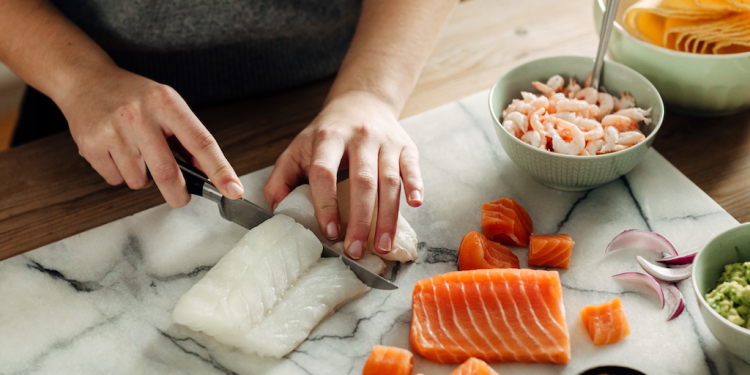





With 20% of UK consumers now following a high-protein diet, the seafood industry is in a strong position to capitalise on the fast-growing protein category, according to the Norwegian Seafood Council (NSC), which sees the ongoing protein boom as presenting a clear pathway for growth – particularly through more convenient formats, stronger protein communication and clearer positioning within the wider protein landscape.
Protein is now one of the most influential drivers of food choice, with 62% of consumers actively prioritising it in their diets. Unlike previous health trends that focused on eliminating certain nutrients, protein carries a positive association with strength, longevity and overall wellbeing. Yet despite offering complete protein alongside key nutrients such as omega-3, vitamin D and B12, seafood remains underleveraged compared to other categories. While sports nutrition, dairy and protein bars have achieved double-digit growth, processed seafood has grown at a more modest 3%.
According to NSC UK, the way in which seafood is brought to market, and the narrative around it are not being fully maximised.
‘Seafood has a very strong protein story, but it isn’t always being told in a way that resonates with today’s consumer,’ said NSC UK Country Director Bjørn-Erik Stabell.
‘Success in the protein category is increasingly driven by convenience, clarity and accessibility. That means formats that fit modern lifestyles, and clear messaging that makes nutritional benefits immediately obvious.’
Convenience is a critical factor. Research shows that 78% of consumers are drawn to meals featuring visibly healthy ingredients such as seafood. Added to this, approximately 7% of British consumers are now using GLP-1 weight loss medication5 and consequently are changing their diets to focus on low-fat, protein and nutrient-dense meals. Yet despite these lifestyle shifts the category remains underrepresented in ready-to-eat and portable formats – areas where demand is growing fastest.
At the same time, changing eating habits are creating new opportunities. Snacking is now a dominant behaviour, with 88% of consumers snacking daily and younger generations leading the shift towards high-frequency, high-protein eating occasions.
NSC UK believes that unlocking growth will depend on aligning with these behaviours – particularly through the development of ready-to-eat, snackable and on-the-go products and dishes that position seafood alongside other protein-rich options.
‘There is a clear and significant opportunity to reposition seafood within the protein landscape, but it requires a more deliberate approach. That means making protein content more visible, and ensuring products are designed for the way people eat today – not just for the traditional three daypart meal occasions,’ Bjørn-Erik Stabell said, commenting that NSC UK believes the seafood industry is well placed to benefit from the protein boom – but only if it adapts to meet evolving expectations around convenience, format and communication.