




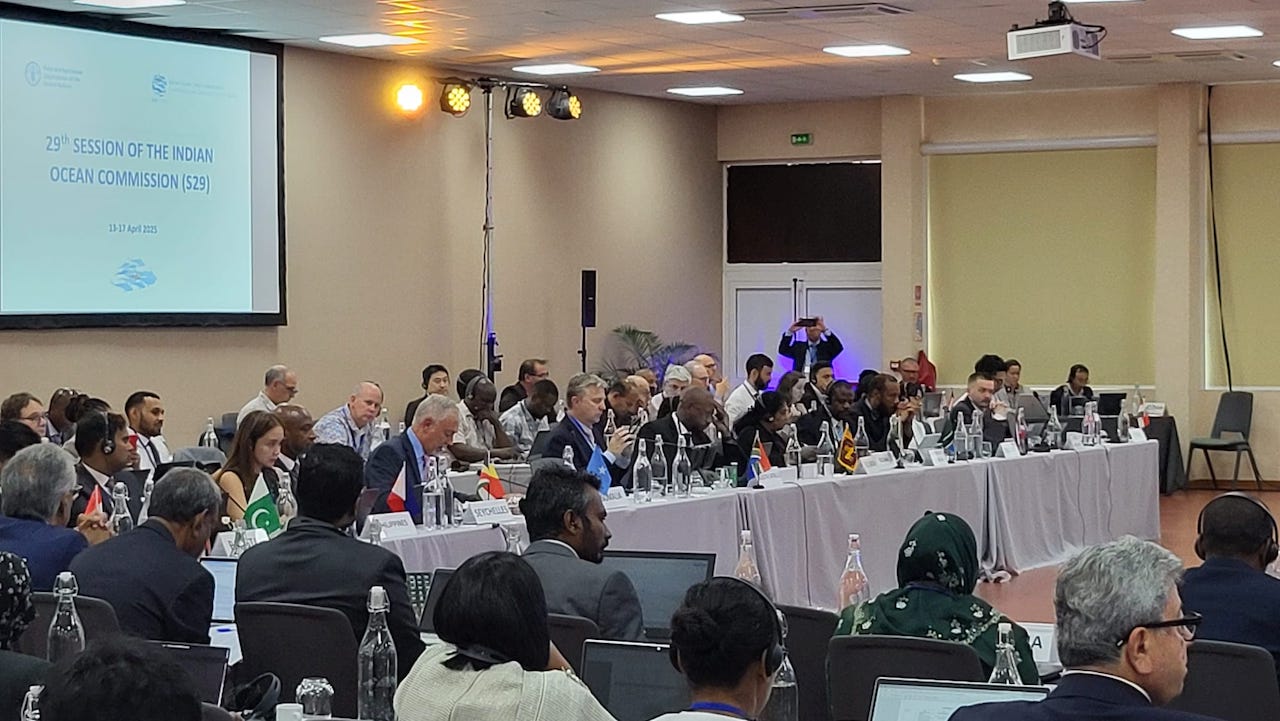
With the 30th session of the Indian Ocean Tuna Commission (IOTC) about to be held 11-15th May, European operators are going into the session in the Maldives with a wishlist of priorities they want to see applied across the board to all fleets.
These are increasing observer coverage across all fleets (at least 25% as a first step), the establishment of a robust regional VMS system under IOTC control, a complete and accurate register of all fishing vessels, and steps to strengthen action against non-compliance, including illegal driftnet use.
‘Management decisions must remain consistent with the positive development and governance of the fishery,’ said Xavier Leduc, President of Europêche Tuna Group.
‘Restricting the replacement of supply vessels in IOTC is unjustified: renewal is essential to improve crew comfort and deliver on decarbonisation objectives. Priority must be given to full implementation of existing measures, including catch limits by all fleets.’
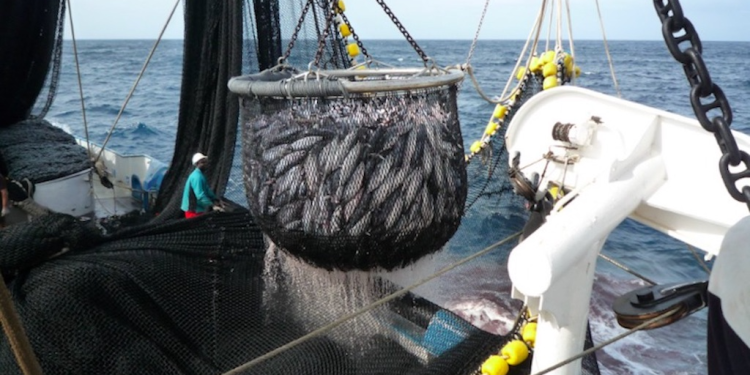
He commented that the European purse seine vessels operate under 24/7 monitoring, near real-time reporting, 100% observer coverage, and a strict prohibition of at-sea transhipment, as well as strong social and environmental certifications.
Yellowfin and skipjack tuna stocks are currently in a healthy state, bigeye is showing signs of recovery, all stocks being under catch limits and/or management procedures.
Xavier Leduc added that these positive results reflect significant efforts and sacrifices, especially from the European tropical tuna purse seine fleet, which should be taken into account on the coming yellowfin tuna allocation scheme.
European companies operate 41 vessels from France, Italy and Spain, SIDS and developing coastal States, including Kenya, Oman, Mauritius, Tanzania and Seychelles, between them employing more than 1500 ACP crew, while also generating port activities, tax and licence revenue.
According to Europêche Tuna Group director Anne-France Mattlet, the European fleet in the Indian Ocean supports 10,000 indirect jobs in processing by supplying a significant share of local canneries’ needs and contributing to infrastructure development in Seychelles Mauritius, Kenya and Tanzania. The fleet also lands species intended for local markets, contributing to food security.
‘Our operations are built on long-term cooperation with coastal States and tangible economic contributions at local level,’Anne-France Mattlet said.
‘This approach supports jobs, food security and industrial development, while maintaining high standards of sustainability and accountability.’