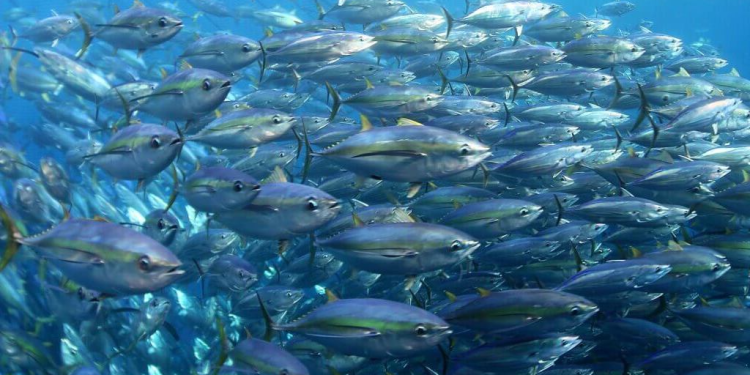





It’s ten years since the UN designated 2nd May as World Tuna Day, reflecting the importance of one of the world’s most important marine resources – which is also a decade of sustained progress in global tuna fisheries, according to ISSF President Susan Jackson.
‘Tuna fisheries require some of the most complex management arrangements in the world. Tuna are highly migratory species that cross national boundaries, multiple jurisdictions, and governance frameworks, and they are crucial to global food security, livelihoods, and international trade,’ she said, and commented that addressing the sustainability challenges associated with tuna has never been the responsibility of any single entity.
‘Progress at a global scale has required long‑term collaboration among scientists, five regional fisheries management organisations (RFMOs), governments, environmental organisations, and seafood companies across the tuna supply chain.’
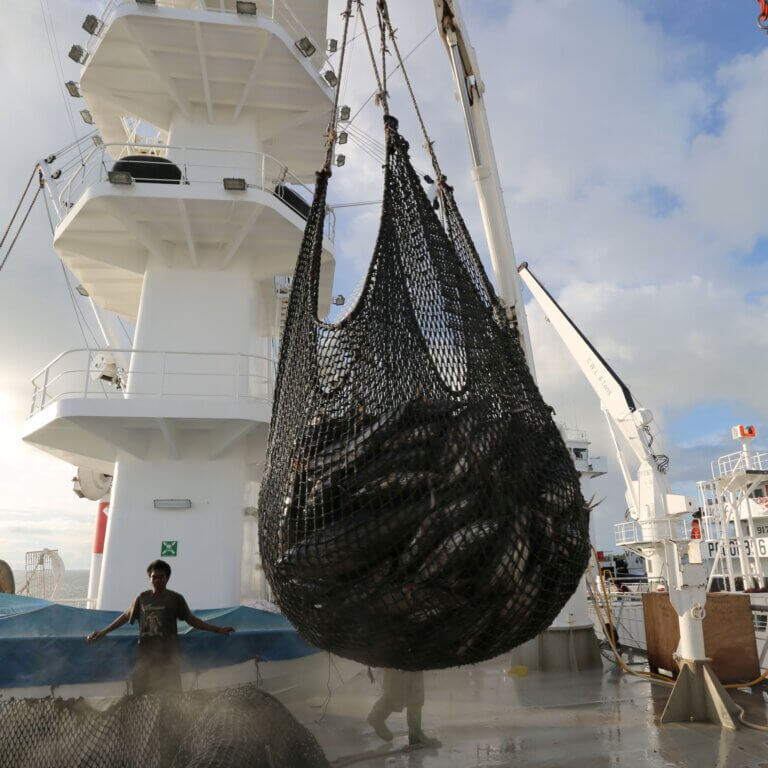
ISSF figures indicate that since it first published its Status of the Stocks report in 2011, the global picture for tuna has improved substantially with 97% of the world’s commercial tuna catch from stocks at healthy abundance levels, while close to 100% comes from stocks not experiencing overfishing. Ten years ago, only about 70% of the global tuna catch came from healthy stocks.
‘This shift reflects years of sustained effort to strengthen science‑based management, improve RFMO oversight, and ensure that conservation measures are not only adopted on paper but also implemented in practice,’ she said, adding that an important driver of this progress has been the growing commitment of seafood companies participating in ISSF conservation programmes.
‘These companies put smart science and sustainability policies into action – on vessels, in fleets, and throughout the global supply chain. Over time, conformance has increased substantially, reaching approximately 99% in recent reporting. By committing to implement science‑based practices, report data transparently, and cooperate with independent audits of their performance on conservation measures, ISSF participating companies are setting an example of how to translate scientific recommendations into measurable, real‑world outcomes.’
Science‑based harvest strategies adopted over the last decade are pre‑agreed frameworks define how fisheries management must respond to changes in stock status, aiming to improve predictability, reducing uncertainty, and supporting long‑term stock resilience. Harvest strategies are now adopted or under development across all tuna RFMOs, with approximately half of the global tuna catch already managed under these frameworks.
‘Industry engagement has been essential in advancing this transition through advocacy to RFMOs in support of the use of this management system,’ she said.

‘Transparency has also improved, reinforced by tools developed and supported through ISSF. For example, the ProActive Vessel Register (PVR) list and Vessels in Other Sustainability Initiatives (VOSI) tool provide publicly available, verified information on a substantial share of the world’s tuna vessels. Seafood buyers and other stakeholders use the PVR and VOSI to better understand fishing activity and compliance, strengthening market confidence. Participating companies have played a critical role by requiring transparency from fleets within their supply chains and supporting the infrastructure needed to make that transparency meaningful.’
ISSF reports that commercial tuna fishing’s impact on the marine ecosystem has been reduced through adoption of non‑entangling and biodegradable fish aggregating device designs, as well as the use of expanded bycatch mitigation practices. Monitoring and compliance systems have likewise evolved, with increased use of observer coverage, electronic monitoring, and improved data reporting by vessels.
‘None of this progress has occurred in isolation, of course. Independent, peer‑reviewed science remains the foundation of effective fisheries management, informing stock assessments, risk analysis, and management advice. RFMOs provide the governance framework to translate that science into binding measures. It is industry that must operationalise those measures. Through participation in ISSF via membership in our sister organisation, the International Seafood Sustainability Association (ISSA), seafood companies contribute to science, innovation, and advocacy that strengthen fisheries management and create resilient supply chains,’ Susan Jackson said.
‘While we’ve witnessed substantial progress over the past decade, continued improvement remains essential. World Tuna Day is a moment to recognise what ongoing, science‑based collaboration can achieve to ensure that tuna remains a viable and sustainable resource for the future.’