


European fisheries and aquaculture have been subjected to a series of crises over the last few years that have dealt the industry on hammer blow after another.
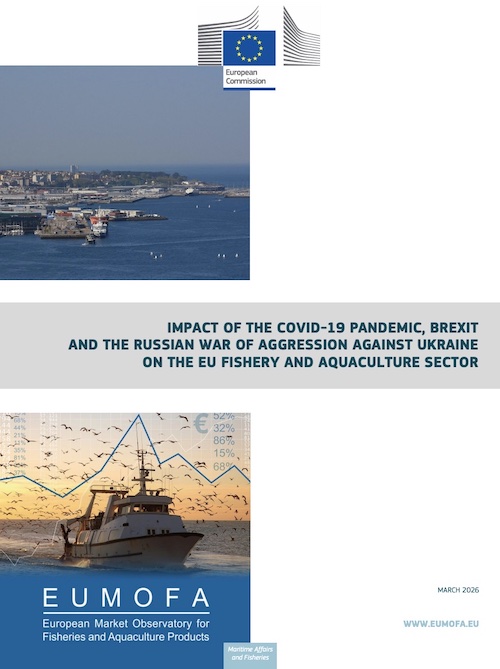
A new report by the European Market Observatory for fisheries and aquaculture products (EUMOFA) shows how a series of crises – the COVID-19 pandemic, Brexit, and Russia’s war of aggression against Ukraine – have reshaped Europe’s fish and seafood sector.
First was the COVID-19 pandemic, which shut down restaurants and disrupted global transport. Then came Brexit, adding new border checks and delays between the EU and the UK. Thirdly, the Russian war of aggression against Ukraine sent energy prices soaring.
According to EUMOFA’s analysis, each of these events hit the sector in different ways, but also combined into a perfect storm as supply chains were disrupted, costs rose sharply, and consumer habits changed unpredictably.
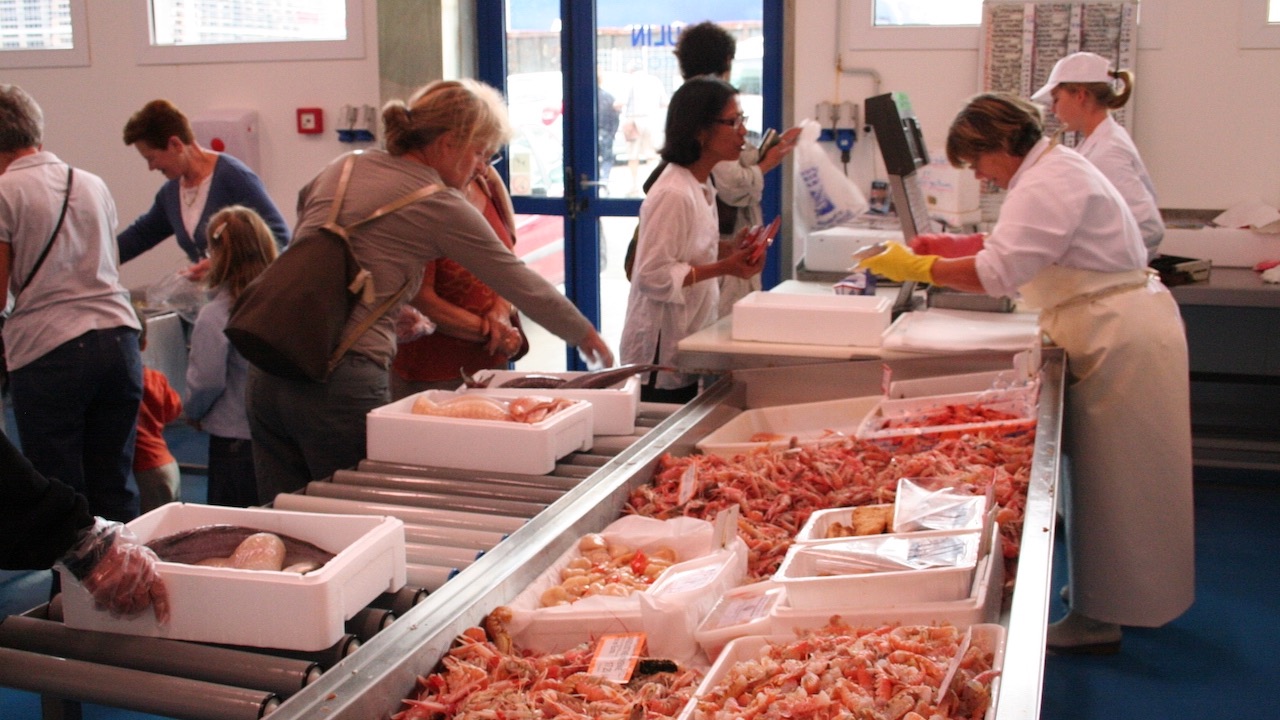
During the pandemic, demand for fresh fish collapsed as restaurants closed. At the same time, supermarket sales surged. Consumers biught more frozen and canned fish. This shift did not fully reverse after the pandemic as households continue to favour convenience and affordability. With rising prices, consumers have become more cautious, often choosing more affordable options or cutting back on seafood consumption.
Brexit brought structural changes. From 2021, reduced fishing quotas, new health checks, and more paperwork made trade more complex and costly. Fresh and chilled products were hit the hardest, as delays at borders disrupted fast delivery systems. While EU support helped cover some immediate costs – especially in Ireland, the Netherlands, Belgium, and France – administrative requirements remained higher, particularly for smaller businesses and EU member states.
When energy prices surged after the invasion of Ukraine in 2022, impacts rippled across the entire system. As a result costs increased for fishing vessels, aquaculture installations, processing plants, cold storage, and transport. These rising costs and reduced purchasing power led to consumers opting for more affordable seafood products with a longer shelf life.
The crisis demonstrates how important energy is for competitiveness and resilience. The EU sea ood sector is still highly sensitive to fuel and electricity prices, as well as energy-intensive transport, with a high dependence on fossil fuels.
Despite these challenges, the seafood sector has shown resilience. Companies have adapted. They increased their focus on frozen, pre-packed, and value-added products to better cope with market uncertainty and transport disruptions. Digitalisation also grew quickly: online sales, direct-to-consumer channels, and digital traceability tools became more common.
Supply chains became more diversified, with less reliance on UK transit routes and, in some cases, on Russian raw materials. At the same time, investment in cold storage, automation, and energy-efficient technologies increased, driven by rising costs and the EU’s sustainability goals.
Overall, the EU fishery and aquaculture sector has become more adaptable, more digital, and more aware of risks than before. However, it now operates in a very different environment, with higher costs, changed trade relationships, and consumers who are more sensitive to prices.
EUFOMA concludes that a return to pre-2020 conditions is unlikely. Instead, the sector is moving into a new normal, where resilience, sustainability, and diversification are no longer just responses to crises, but key factors for long-term competitiveness and supply security.
While the study is not extend to 2026, it is clear that the situation in the Middle East has severely disrupted global energy and commodity markets as attacks on energy infrastructure and significant disruptions in the Strait of Hormuz have caused a sudden and significant increase in global oil prices and disrupted global trade flows. These disruptions are having a material and lasting impact on the EU fishery and aquaculture sector.
To support the EU fishery and aquaculture sector, the European Commission has activated the crisis mechanism of the European Maritime, Fisheries and Aquaculture Fund (EMFAF), allowing EU countries to provide financial compensation to fishers, aquaculture producers, processors and retailers whose livelihoods have been disrupted by the consequences of the conflict in the Middle East. This mechanism was last activated in 2022 following the Russian war of aggression against Ukraine.