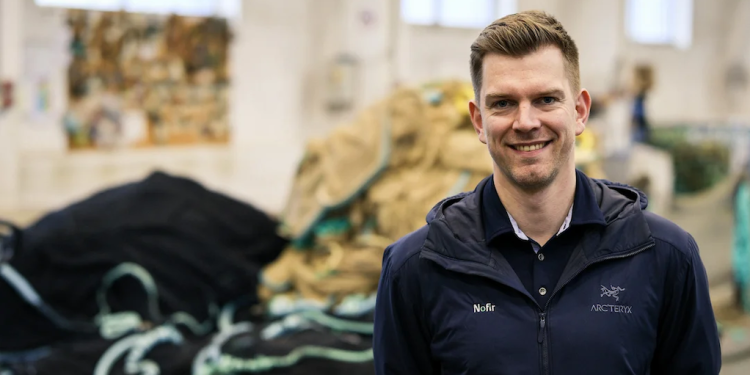





Norwegian recycler Nofir last year broke its own records for recycling end-of-life fishing and aquaculture gear.
In total, Nofir collected 10,298 tonnes of discarded gear from the fishing and aquaculture industry over the course of last year – the company’s biggest year to date.
‘10,000 tonnes in a year has long been a major aim. We are delighted to have finally reached this milestone’ said Nofir CEO Øistein Aleksandersen.
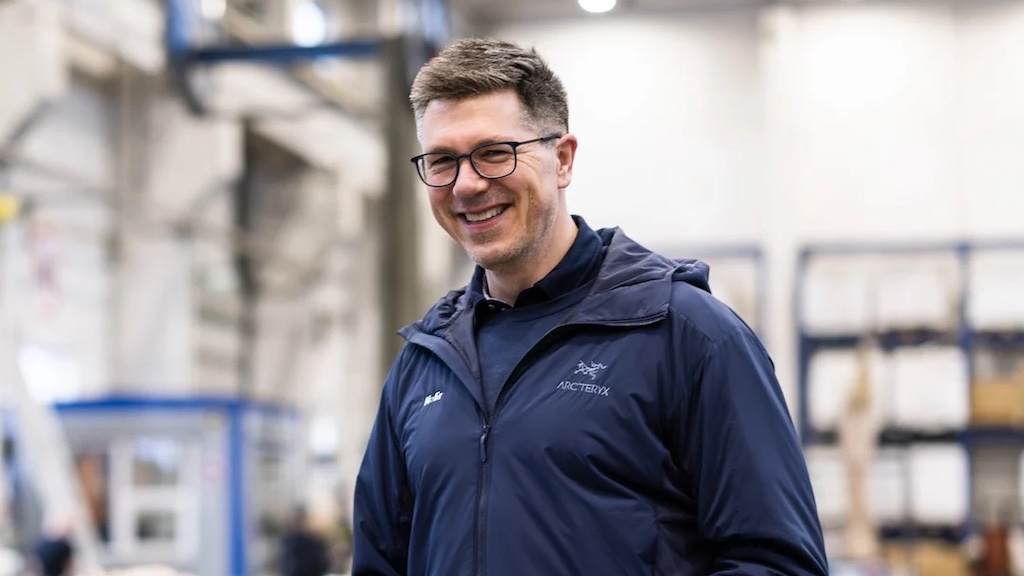
Of the total collected in 2025, 8042 tonnes –more than three quarters – went to material recycling. Compared to the previous year, this represents a 23.5% increase.
According to the company, this development is due, among other things, to the fact that a larger portion of the equipment delivered contains plastic materials that can be recycled into new raw materials.
‘Much of the fishing and farming equipment consists of plastics such as nylon, which can be regenerated and used as raw materials in new products. When we get more of these materials, more of the plastic can also go back into the cycle,’ said purchasing manager Kristian Sandbakk Hansen.
He believes the development also reflects a growing awareness from the fisheries and aquaculture industry.
‘We are aware that more people in the industry are now talking about giving equipment a new life when it is taken out of use. This helps to keep more materials in the cycle.’
When used gear is delivered to Nofir, the materials enter a value chain. They can be used to make nets at sports facilities, designer clothing or garden furniture, among other things.
At the same time, the company is working to keep the materials within the blue industries for as long as possible. Through the collaborative project CFFN (Circular Fish Farming Net), Nofir, together with partners in Norway and Europe, has developed opportunities for fishing nets to be recycled and used in the production of new ones.
‘Increased collection volumes have a direct impact on how much material can be reused. We are entering a phase where recycled plastic can increasingly replace virgin raw materials and be included in new unique products,’ Øistein Aleksandersen said.