


In a call for an EU Action Plan on Blue Foods a coalition of leading organisations active in fisheries and aquaculture –EBCD, Europêche, EAPO, FEAP, and AIPCE-CEP – urge EU policymakers to take decisive action to integrate aquatic foods into Europe’s broader food and sustainability strategies.
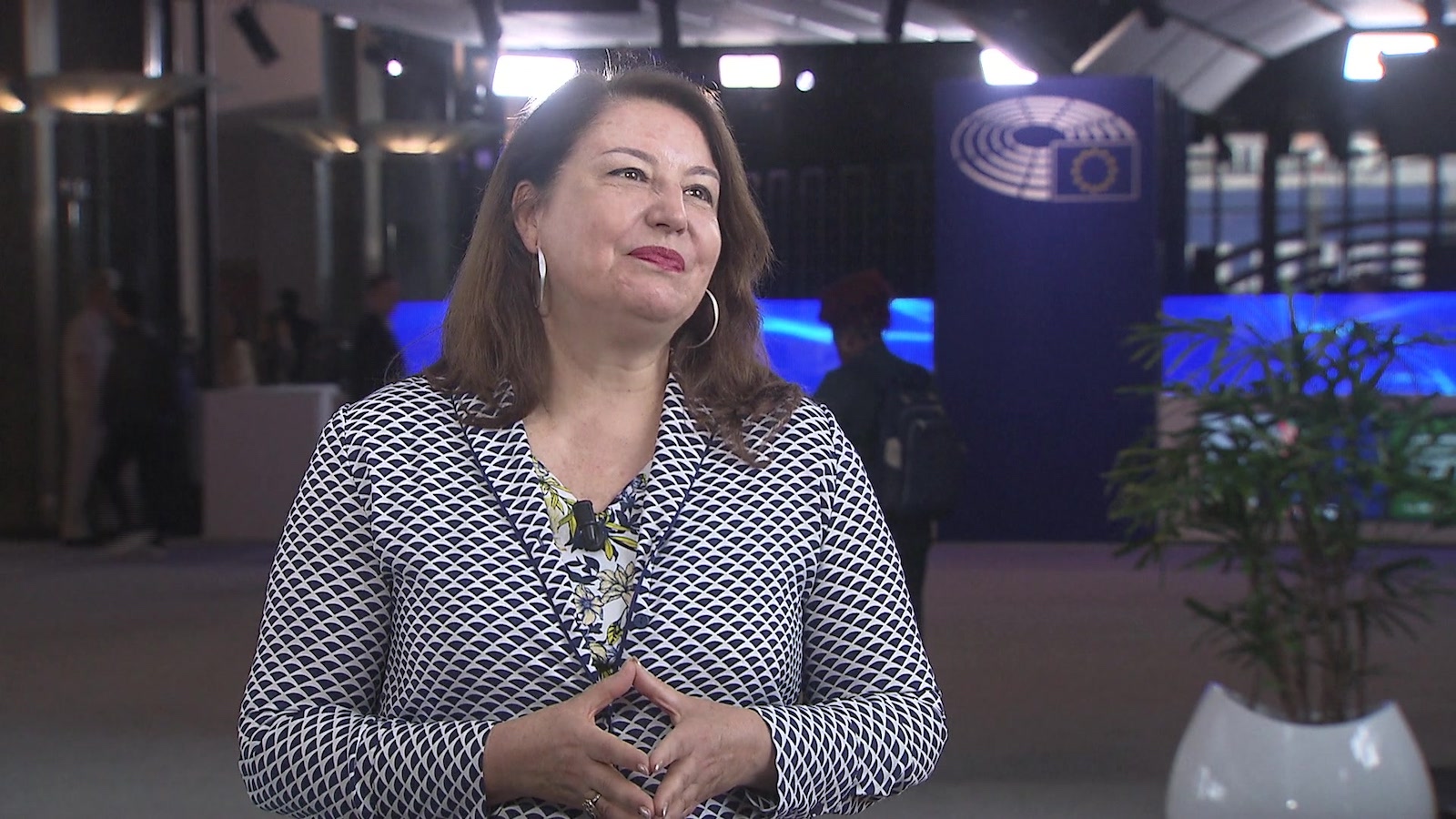
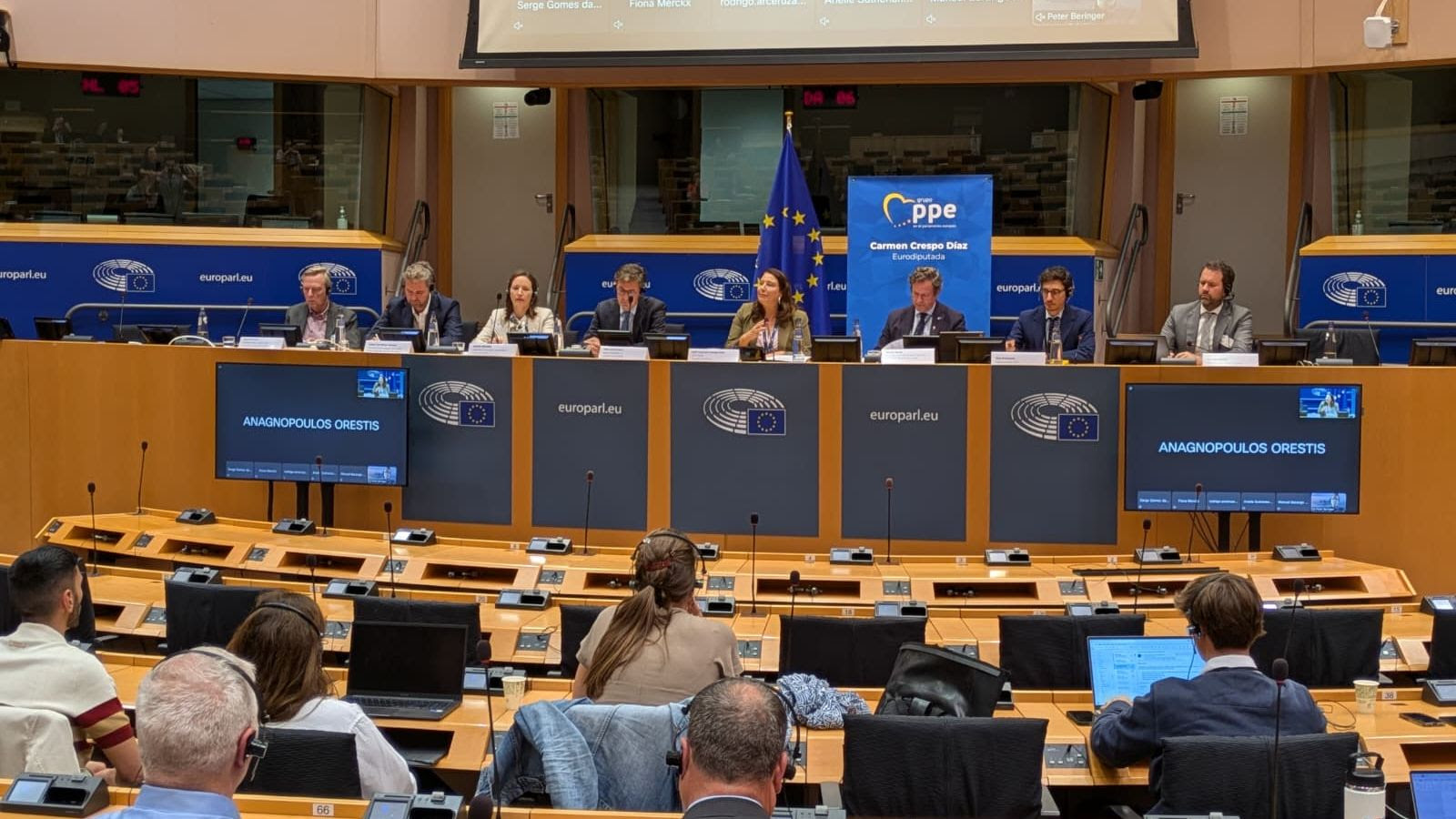
This launch event, hosted by the Chair of the Committee of Fisheries of the European Parliament Carmen Crespo Diaz, placed the spotlight on marine products – often overlooked in European food policy debates. At a time when climate disruptions, conflict, and geopolitical shifts are putting immense strain on global food systems, the message from the industry groups is clear, that an EU Action Plan for Blue Foods is not an option – it’s a necessity.
‘Blue foods must be at the core of the EU’s Ocean Pact and its sustainable food strategy. They are healthy, low-carbon, and essential for the resilience of our coastal regions. This action plan is a timely and science-based roadmap ~ we now call on the European Commission to move from vision to action by supporting responsible aquaculture, fair market conditions, and a competitive, future-oriented fisheries sector. There is no truly ambitious Ocean Pact without a strong commitment to blue food systems,’ said Carmen Crespo Diaz.
Javier Garat, rapporteur on the opinion of the European Economic and Social Committee (EESC) on the Ocean Pact, stated that the EESC has supported the call for a Blue Food Action Plan as a vital step to modernise fisheries and aquaculture, secure Europe’s food supply and boost the resilience of coastal communities.
‘Fish and seafood are nature’s original superfoods – packed with essential nutrients, among the most climate-friendly proteins on the planet, and – in the case of the EU – produced within one of the world’s best fisheries management systems,’ said Europêche’s Tim Hedddema.
‘It should be at the top of everyone’s shopping list. To put more sustainable seafood on European plates, EU policies must strengthen supply – and that starts with ensuring a competitive EU fleet.’
Felix Leinemann of DG MARE participated, outlining that blue foods – which include wild-caught and farmed fish and seafood – provide essential nutrients such as omega-3s, vitamins, and minerals, while often having a lower carbon and resource footprint than many land-based proteins. At the same time, these foods support millions of jobs in coastal and rural communities, connecting the ocean to Europe’s social fabric.
Europe’s marine food sector faces significant challenges. According to the FAO, Europe is the only continent experiencing a decline in local production. In addition, EU per capita consumption of wild-caught seafood has reached its lowest level in a decade, according to the EUMOFA market observatory. This is despite most European stocks being managed sustainably.
‘Europe cannot afford to ignore its own capacity to produce aquatic food. At a time when imports dominate and production at home stagnates, we need a dedicated EU Action Plan that recognises fish farming as strategic for food security, jobs, and sustainability. Blue foods are not the future – they are here, and Europe must act now,’ stated Szilvia Mihalffy of FEAP.
The initiative calls on the European Commission to deliver a dedicated Action Plan placing aquatic foods where they belong: at the centre of the table.
‘Our food systems must evolve!’ declared Ilias Grampas of EBCD.‘Environmental resilience, and Europe’s ability to feed its people must go hand in hand – and blue foods are a key part of that equation.’