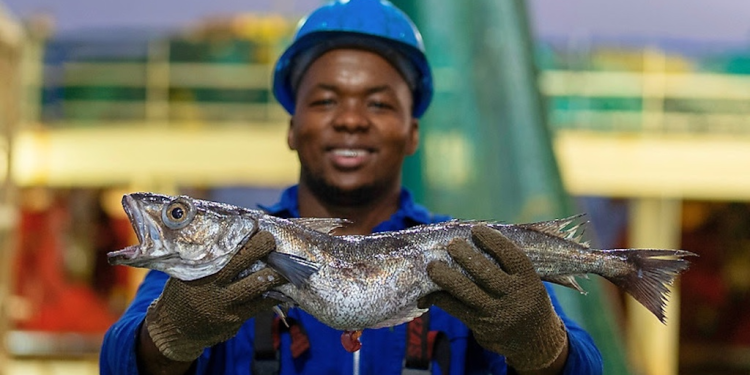



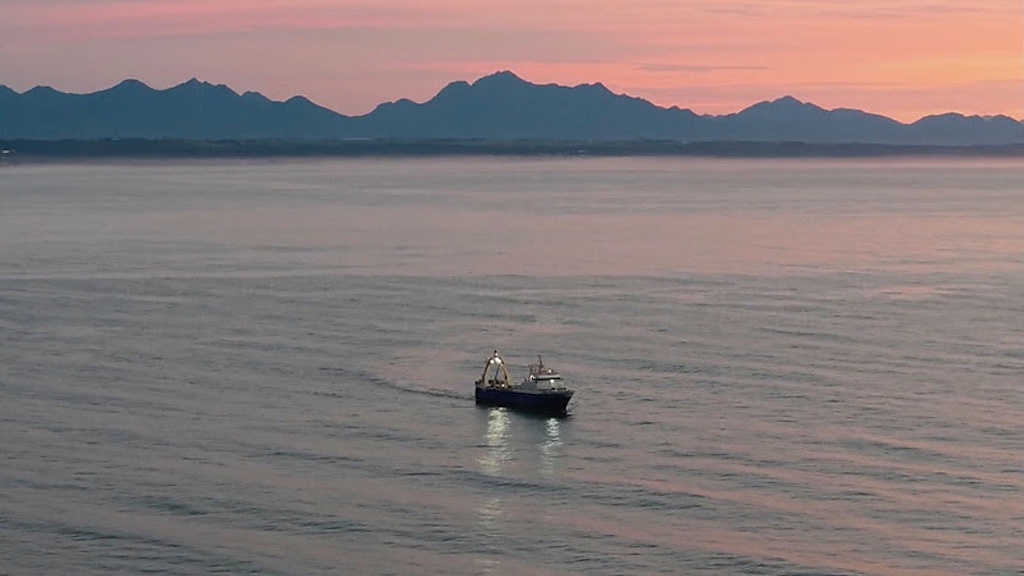
South Africa’s trawl fishery for hake, which supplies hake to supermarkets and restaurants across South Africa and also exports to international markets, has been certified to the MSC standard for a fifth consecutive time.
The trawl fishery’s re-certification extends an unbroken record that began in 2004, when it became the first hake fishery in the world to achieve this globally-recognised certification. An independent assessment comparing global seafood certification schemes against internationally recognised sustainability criteria found the MSC scored significantly higher than any other programme, and was the only scheme to fully meet the required standard.
‘This certification is so much more than an ecolabel, it is what keeps our industry globally competitive,’ said Innocent Dwayi, Chairman of the South African Deep-Sea Trawling Industry Association (SADSTIA).
‘International buyers increasingly demand the MSC ecolabel because their own customers care about where their seafood comes from, and without it we simply couldn’t compete for those markets. That competitiveness is what allows this industry to thrive, sustaining an estimated 12,400 direct and indirect jobs and contributing around R8.5 billion to the South African economy every year,’ he said.
‘Congratulations once again to South Africa’s trawl fishery for hake, who continue to show leadership in prioritising stewardship of our seafood resources,’ said MSC Programme Director for Africa, the Middle East and South Asia Michael Marriott.
‘The 2026 State of World Fisheries report shows an increasing number of the world’s fish stocks are faced with overfishing. It is testament to good management that stocks targeted by MSC-certified fisheries are going in the opposite direction, and I cannot overstate the role that long-standing fishery partners like South African hake trawl have had in helping to drive this positive change.’
Over its 22-year journey of maintaining MSC certification, the trawl fishery for hake has delivered a series of measurable environmental benefits. These include the rebuilding of fish stocks, significant reductions in seabird interactions with fishing gear, improved management of bycatch, a far greater scientific understanding of the fishery’s impact on the seabed, and the establishment of a dedicated scientific observer programme to monitor the fishery’s performance over time.
Recently, the industry has continued to innovate, trialling new technologies to enhance data collection and bycatch management, strengthening self-reporting by skippers and fishing crews, improving the handling and release protocols for large bycatch species, such as seals and sharks, and recycling end-of-life trawl nets to help prevent ghost fishing.
‘The continued MSC certification of South Africa’s hake trawl fishery reflects the value of sustained cooperation between government, the fishing industry, fisheries scientists and the broader marine science and conservation community throughout the audit and recertification process,’ said Belemane Semoli, Acting Deputy Director General in the Department of Forestry, Fisheries and the Environment.
‘For the Department, the sustainable management of the hake resource remains central to protecting the resource and supporting the jobs, investment and economic activity that depend on it. MSC certification strengthens the sector’s competitiveness and access to international markets where independently verified sustainability credentials are increasingly important. The Department welcomes this milestone and remains committed to working with all relevant role players to ensure that South Africa’s hake resources are managed responsibly and sustainably for present and future generations.’