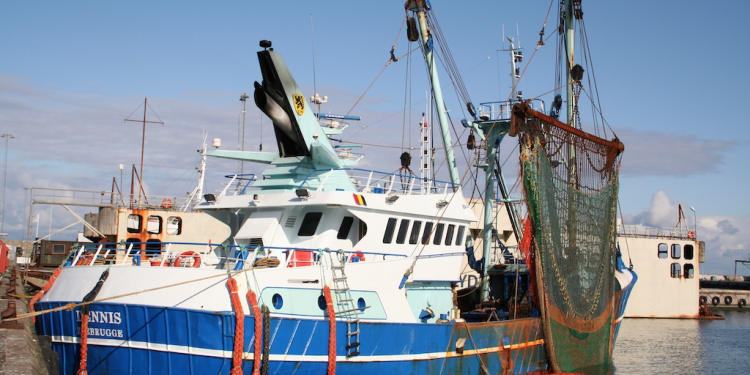





The outline of a regulation prohibiting beam trawl gear on stone reefs in Danish waters has been welcomed by the Danish Fishermen’s Association.
This has yet to obtain EU approval, but is expected to come into force within the next six months. The Danish Fishermen’s Association has voiced its satisfaction that efforts are being made to protect stone reefs, which are important marine habitats.
‘The reefs are an important prerequisite for us to have fish in Danish waters, so we must protect them,’ commented Allan Kiilsholm Petersen, chairman of the North Jutland Fishermen’s Association.
‘At the same time, the protection of stone reefs must go hand in hand with vibrant coastal fishing. It is important that we create space for the smaller coastal vessels and ensure that there are good opportunities to fish close to the Danish coasts in the future as well.’

‘After five years, it is finally happening! Five vulnerable reefs will be protected from fishing with towed bottom – including the beam trawl,’ said Denmark’s environment minister Maria Reumert Gjerding.
‘We have just negotiated an agreement with Belgium and now sent a protection package to the EU Commission to end fishing with towed bottom gear in five Natura 2000 areas with stone reefs in the North Sea. This is the last step in the process before the protection comes into effect.’
The minister commented that it is quite normal for the regulation of fisheries to take time, because through the EU’s common fisheries policy there is an obligation to involve the other EU Member States that have fishing interests in Danish waters.
‘But this process has been far too long. It has taken five years, partly due to complex negotiations with Belgium, which is responsible for a large part of the fishing with beam trawls in some of the areas,’ she said.
Describing this proposed regulation as an example of what can be achieved when authorities, politicians and the fishing industry work together on concrete solutions, the Danish Fishermen’s Association states that it wants to see 30% protected waters, but this ‘requires dialogue, cooperation and solutions in which the protection of the marine environment goes hand in hand with sustainable and vibrant fisheries.’