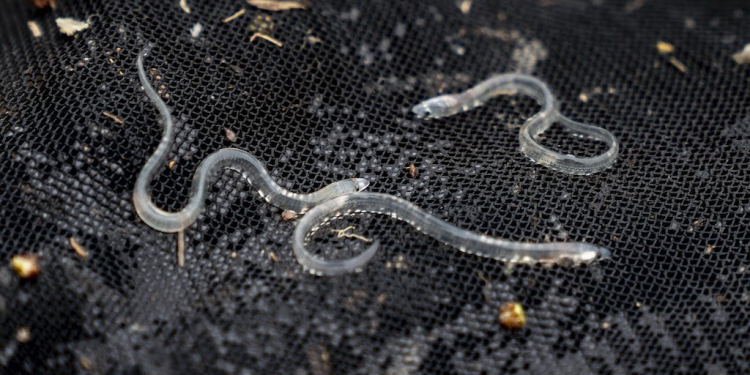





The Sustainable Eel Group has welcomed the outcome of a coordinated enforcement action which targeted a criminal network involved in the illegal trade of glass eels across southwestern France and northern Spain.
The operation, conducted under the authority of the Public Prosecutor’s Office at the Judicial Court of Bayonne and supported by Europol, resulted in the arrest of eight individuals suspected of participating in organised criminal activities – six in France and two in Spain. This development is part of an investigation begun in March last year, concerning suspected large-scale trafficking of live eels originating from the Adour river basin and neighbouring fishing areas along the Bay of Biscay.
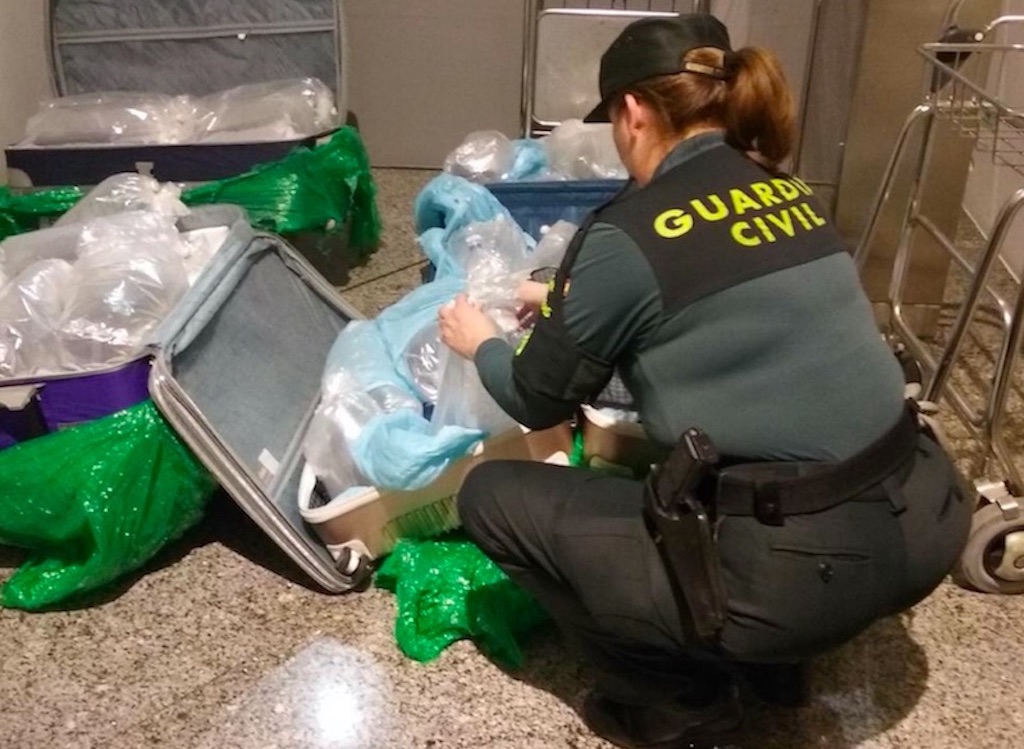
According to the information released by the Bayonne prosecutor, investigators successfully identified a trafficking structure based in the Landes region, linked to a seafood wholesaler headquartered in southwestern France. Prosecutors allege the accused designed a system to circumvent traceability requirements, whereby they alternated between consignments of glass eels obtained legally, and specimens acquired through illegal or unreported fishing activity.
By blending these two sources, it is thought the network was able to introduce illicit specimens into the supply chain, transporting them under apparently legitimate documentation without the need for further checks.
Investigators estimate that over roughly a two-year period, more than two tonnes of glass eels lacking traceable documentation were collected and transported through this system. A portion of these consignments were reportedly delivered to the French wholesaler, while additional quantities were allegedly exported clandestinely to a Spanish seafood trader believed to have been involved in the distribution chain.
Judicial authorities estimate the operation facilitated the illegal export of approximately seven million juveniles, generating proceeds of around €600,000. The six individuals detained in France have been placed under formal investigation for various offences, including participation in an organised criminal association and the unauthorised possession and transport of a protected species, and placed under judicial supervision with restrictions on their fishing and trading activities.
The enforcement action involved multiple specialised agencies operating on both sides of the Franco-Spanish border, including the Central Office for Combating Environmental and Public Health Crime, several operational units of the French Biodiversity Office, the Pau Research Section of the Gendarmerie, as well as the Guardia Civil in Spain. The oversight from Europol highlights both the continued presence of organised networks exploiting gaps in enforcement, and the importance of sustained cross-border cooperation in closing those gaps.