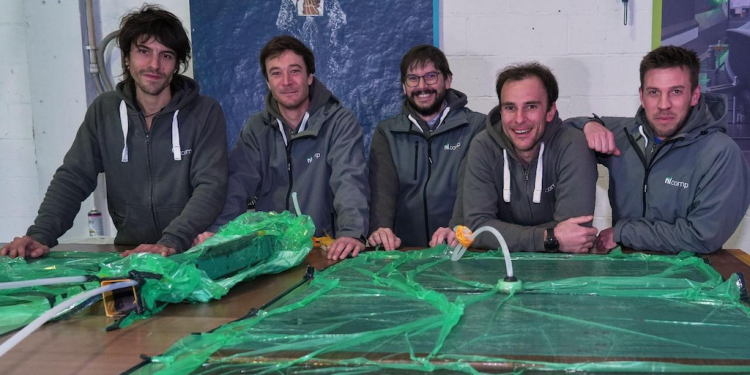





Italian startup Northern Light Composites (nlcomp) aims to tackle the key challenge of end‑of‑life of fibreglass and carbon‑fibre products used in boats and other sectors. Conventional thermoset composites are widely used but are difficult, if not impossible, to recycle.
Benefiting from the coaching provided by the EU BlueInvest programme, nlcomp’s aims to help the sector move from linear produce-use-dispose to a circular model in which valuable materials are recovered and reused.
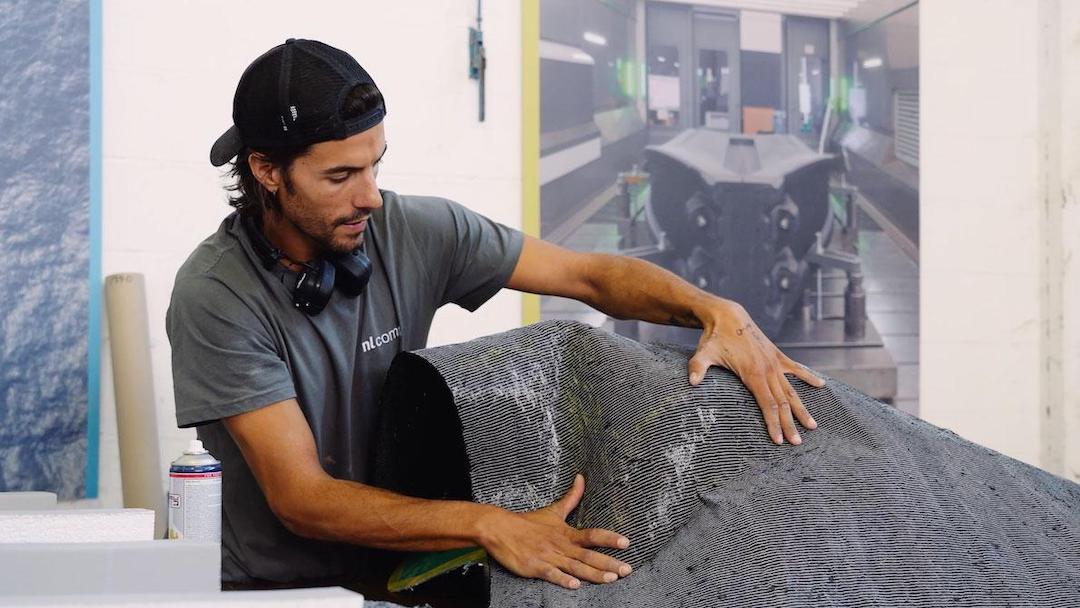
nlcomp’s solution replaces the conventional thermoset matrix with a thermoplastic one, making it possible to separate composite layers at the end of their life and turn them into new products. The objective is recyclability by design, achieved without losing performance or becoming too expensive.
‘Our technology does not recycle old fibreglass boats. What we’re doing is creating a new way of manufacturing so that future boats, blades and components are circular from the very beginning,’ nlcomp co‑founder Fabio Bignolini.
The idea was born when one of the co‑founders, Andrea Paduano, then completing a PhD in materials science at the University of Padova, began experimenting with new resins and fibre materials.
Building on that scientific groundwork and their hands‑on background, the founders created the first prototypes and showcased them at events, earning multiple awards and attracting early regional and national investors. The company has since grown to a team of eight, marking its transition from research to real‑world application.
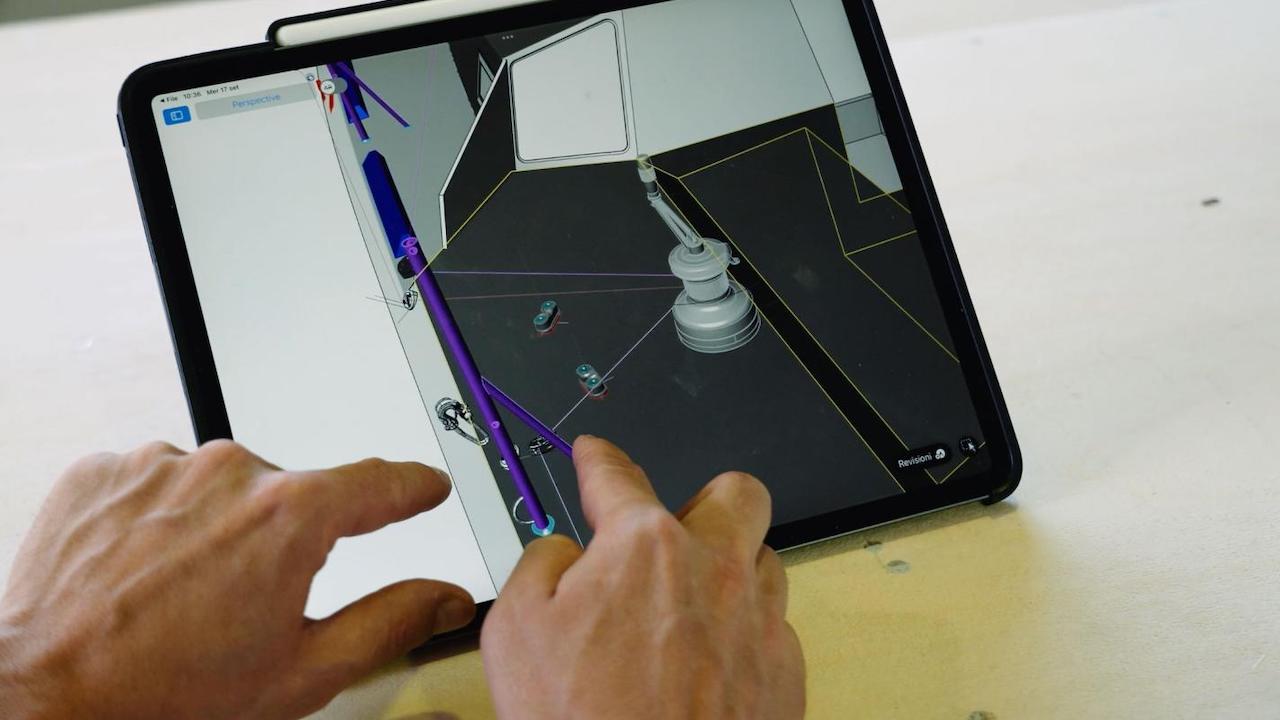
Early on, nlcomp explored licensing its technology. But by staying directly involved in production, the company realised it could demonstrate the performance of its product rComposite more convincingly.
With guidance from their BlueInvest coach, the founders refined their business strategy and decided to produce key components themselves. This approach widened their opportunities across sectors, allowing them to respond quickly to interest from both marine and industrial clients while still keeping the door open for future licensing partnerships.
This shift, combined with clearer investor messaging, significantly strengthened their investment readiness.
‘BlueInvest was helpful in teaching us how to talk with investors and manage an area that is totally new for scientists,’ Fabio Bignolini said.
‘In our region, there isn’t a lot of expertise in start-ups and funding, so we tried to find help from the European level, and that’s how we got to know BlueInvest. We hope to solve the end‑of‑life problem of glass‑fibre composites, one of the most widely used materials in boatbuilding and beyond. We hope to encourage sustainable practices throughout the marine industry and other sectors that rely on composite materials.’