




An initiative to restore one hectare of mangrove forest and develop an intervention model that can be replicated at a larger scale brings together stakeholders from across the shrimp industry and coastal communities in Ecuador.
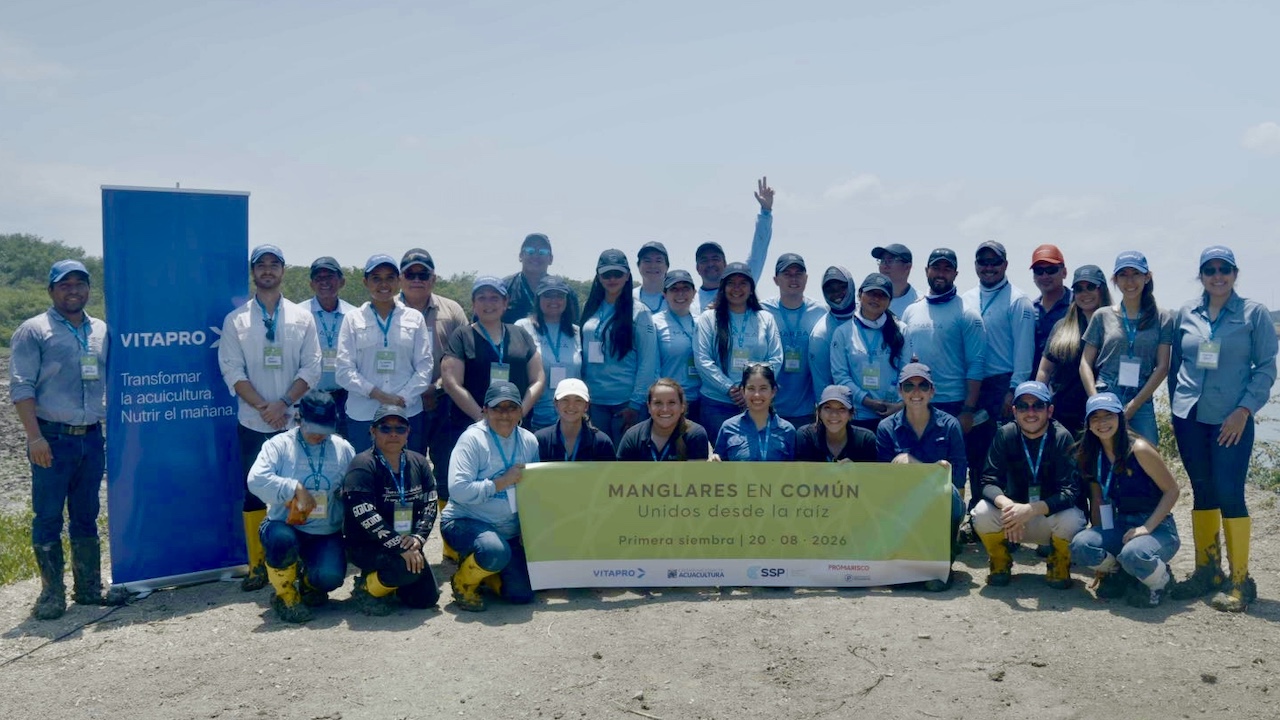
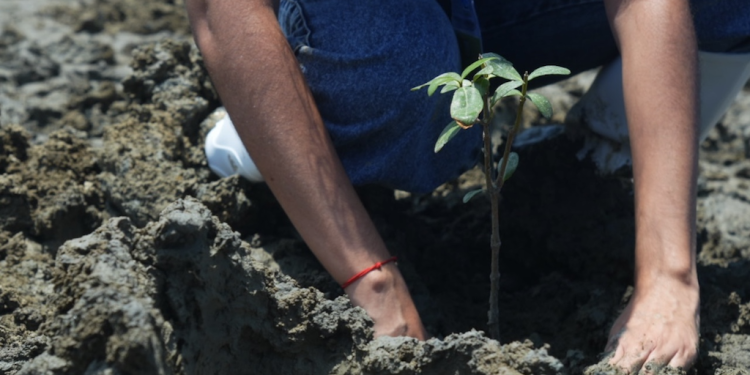
The Sustainable Shrimp Partnership (SSP) and Ecuador’s National Chamber of Aquaculture (CNA) have announced Manglares en Común a pilot project developed in collaboration with Promarisco, Vitapro, and the Manglares Porteños cooperative. The project has been unveiled with its first planting event, held at Promarisco’s Quiñonez farm in the Gulf of Guayaquil. The process combines natural regeneration with direct planting to restore approximately 1600 native mangrove trees. It includes site preparation and seedling production, followed by maintenance, monitoring, and replanting activities to support their growth and survival.
‘Manglares en Común is part of a broader agenda led by CNA and SSP to safeguard natural ecosystems through actions focused on the protection and conservation of mangroves, as well as monitoring mangrove cover across the country. This initiative adds a restoration component to these efforts, bringing together value chain stakeholders and communities that know, live alongside, and depend on this ecosystem to create an impact that can endure and grow over time,’ said José Antonio Camposano, Executive President of CNA.
‘The project is based on the recognition that each stakeholder brings different capabilities to mangrove regeneration. We are starting with a pilot because we want to learn from the experience, measure what works, and develop a methodology that can be replicated at a larger scale,’ commented SSP director Pamela Nath. ‘The goal is not to stop at one hectare, but to turn these learnings into a tool that can help other producers identify opportunities on their own farms and support new restoration efforts alongside local communities.’

Manglares Porteños brings local knowledge and experience to the project while also creating economic opportunities linked to ecosystem restoration. The seedlings used in the planting are grown at the cooperative’s nursery, while its members also participate in site preparation, planting, and subsequent monitoring, generating income for the community at different stages of the project.
For Víctor Morocho Carbo, a member and former leader of Manglares Porteños and founder of the community’s mangrove nursery, this collaboration demonstrates the value communities can bring to restoration efforts, as well as the benefits these initiatives can generate for them.
‘Mangroves have always been important to our community because they provide the resources that support our livelihoods,’ he said.
‘The project is already generating benefits for our members and their families through seedling production. I would encourage companies to look to communities and work with us. We are ready to support one another, because mangroves are a source of life for us.’