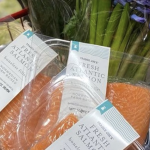




Critical checks on seafood products entering the UK market have dropped to ‘alarmingly’ low levels since Brexit, according to NGOs, which claim that this could be plaving illegally-caught seafood on UK supermarket shelves, along with products linked to human rights abuses.
The Environmental Justice Foundation (EJF) and Open Seas state in a new report that the UK government is effectively blind as to whether the seafood reaching the public’s plates is linked to crimes such as human trafficking, forced, bonded and slave labour, other human rights abuses and the destruction of ocean ecosystems.

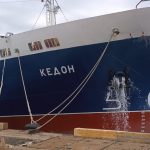
EJF alleges that its investigations have revealed illegal, unreported and unregulated fishing and serious human rights abuses on board Chinese distant-water fishing vessels – including those of leading fishing company Zhejiang Ocean Family Co., Ltd., which has previously reported supply chain links to UK supermarkets.
The report states that the UK receives around 1000 catch certificates from China every year, relating to around 58,000 tonnes of seafood. But the UK has refused only four seafood consignments from China since 2012, indicating these imports are not being properly screened.
The NGOs also point out that no catch certificates from Russia, another one of the world’s most consistent offenders for illegal fishing, were verified or refused between 2021 and 2023.
The EJF report states that much of the capacity to monitor and report on the UK’s IUU import controls has also been lost as a result of Brexit.
‘In recent years, the UK has entirely lost control of its seafood imports. The lack of oversight leaves us all completely in the dark about the sustainability and ethical quality of the seafood allowed into the country. Every time someone in the UK goes to the supermarket or their local seafood restaurant, they deserve to know that the fish they are buying is not tainted by environmental destruction, forced labour or even slavery,’ said EJF CEO Steve Trent.
‘We know that British consumers don’t want to eat seafood caught by labour that is forced, bonded or held in slavery, or that risks tipping precious ocean ecosystems into total collapse. Over 80% of the fish eaten in the UK is imported, meaning the UK has the power, opportunity and responsibility to drive powerful change across the global fishing industry. By taking a more proactive approach, the UK can protect its market from illegally caught fish, uphold human rights at sea and safeguard marine ecosystems long into the future.’