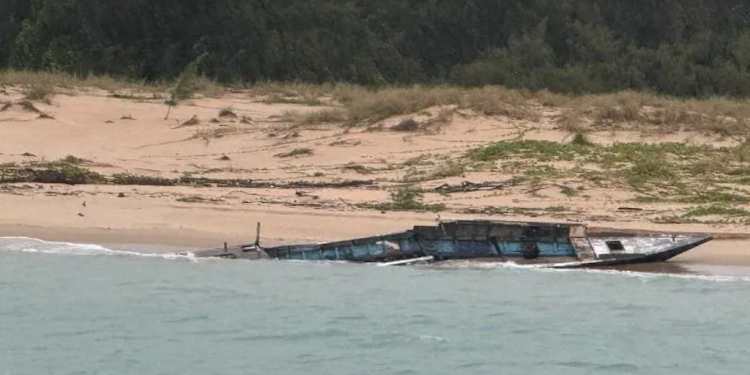





The remnants of three abandoned foreign fishing vessels along with associated fishing equipment have been removed from locations in the Torres Strait – Crab Island, Horn Island and Pearce Cay in Northern Australia.
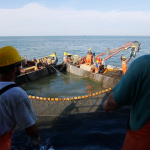
An AFMA contract vessel assisted in the safe recovery, towing, and disposal of the fishing equipment and abandoned FFVs. This latest operation has resulted in the removal of approximately 49 tonnes of harmful marine debris from Australian waters.
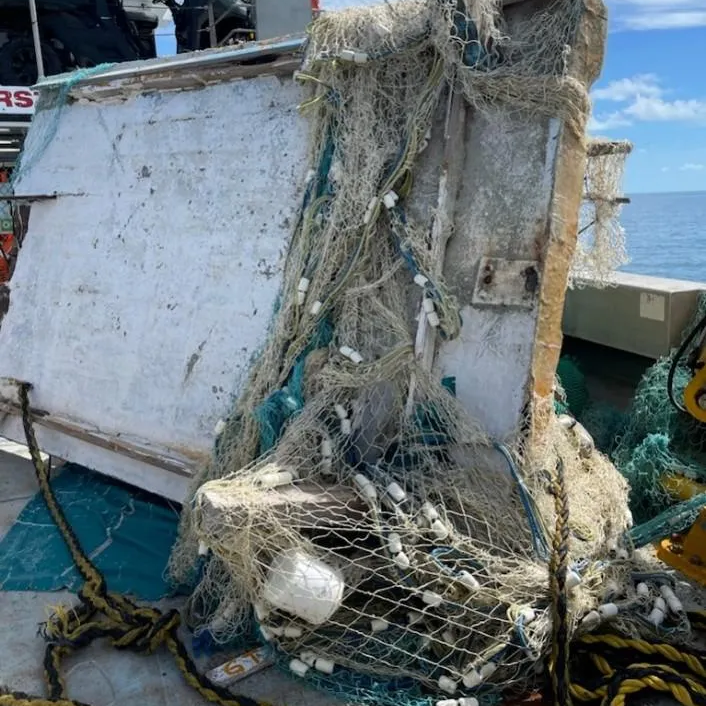
The first vessel and fishing equipment was beached at Crab Island. It has been dismantled, with the engine and other steel material removed with further beach cleanup occurring. The second was a sunken vessel in the vicinity of Horn Island. The vessel was retrieved and towed to a sea-based disposal site where it was safely disposed of.
A third vessel and its fishing equipment was wrecked on Pearce Cay with the 80-metre net removed first and then the vessel retrieved and towed to the disposal site. The net from this vessel was taken back to a land-based facility for disposal.
Each vessel was first assessed for salvage and destruction to ensure appropriate measures were taken, including specialised equipment, to protect the marine environment from pollution. All vessels were safely disposed of in accordance with Australian biosecurity requirements and the Environmental Protection (Sea Dumping) Act 1981.
‘The Australian Government has extended the highly successful Ghost Nets and Marine Debris Initiative to continue critical work removing deadly ghost nets and marine debris from northern Australia’s coastlines and waters,’ said Branch Head, Marine and Island Parks Shaun Barclay.
‘We work with AFMA, Maritime Border Command (MBC) – a multi-agency taskforce, within the Australian Border Force – Indigenous rangers and the fishing industry to combat this scourge on our marine life and ensure a coordinated response.’
The Ghost Nets and Marine Debris Initiative extend conservation efforts in waters across northern Australia through with its collaboration with AFMA in its in-water retrieval program, as well as providing funding to Indigenous organisations to ensure the removal of marine debris and discarded fishing gear from coastal habitats and beaches.