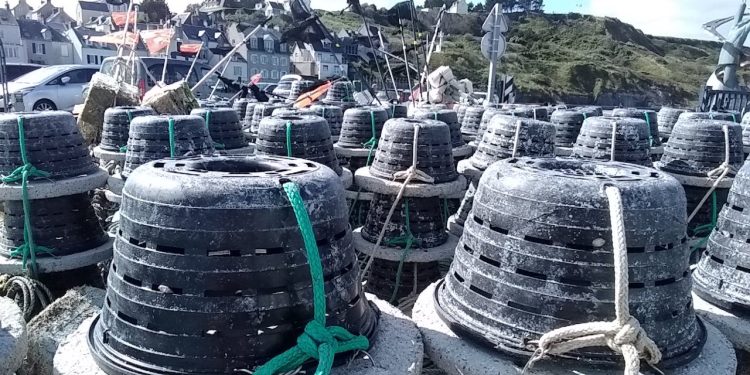





The whelk fishery is second only to scallops for the Normandy fleet, and there remain a number of gaps in the knowledge relating to this important fishery pursued by around 130 fishing vessels in the region.

Following the success of the EMFAF-funded Mecanor2 programme that examined fisheries for both whelks and crustaceans, the Normandy Fisheries Committee is continuing this work with the CCLIMBUP programme, also supported by EMFAF and in collaboration with a number of research institutes.
‘The CCLIMBUP programme aims to better understand the effect of climate change on whelks, track the status of the resource and get to examine the economic health of fishing companies that target whelks,’ a Normandy CMPRM representative commented.
‘This work aims to support this fishery, despite the many uncertainties that affect on the resource.’
The work of the Mecanor2 programe was to analyse pot fisheries in Eastern Channel and North Sea waters, not least as a number of Hauts-de-France gillnetters have switched to fishing with pots. Without an accurate assessment of stocks of whelks and crustaceans, this left the industry with concerns about the state of these stocks.
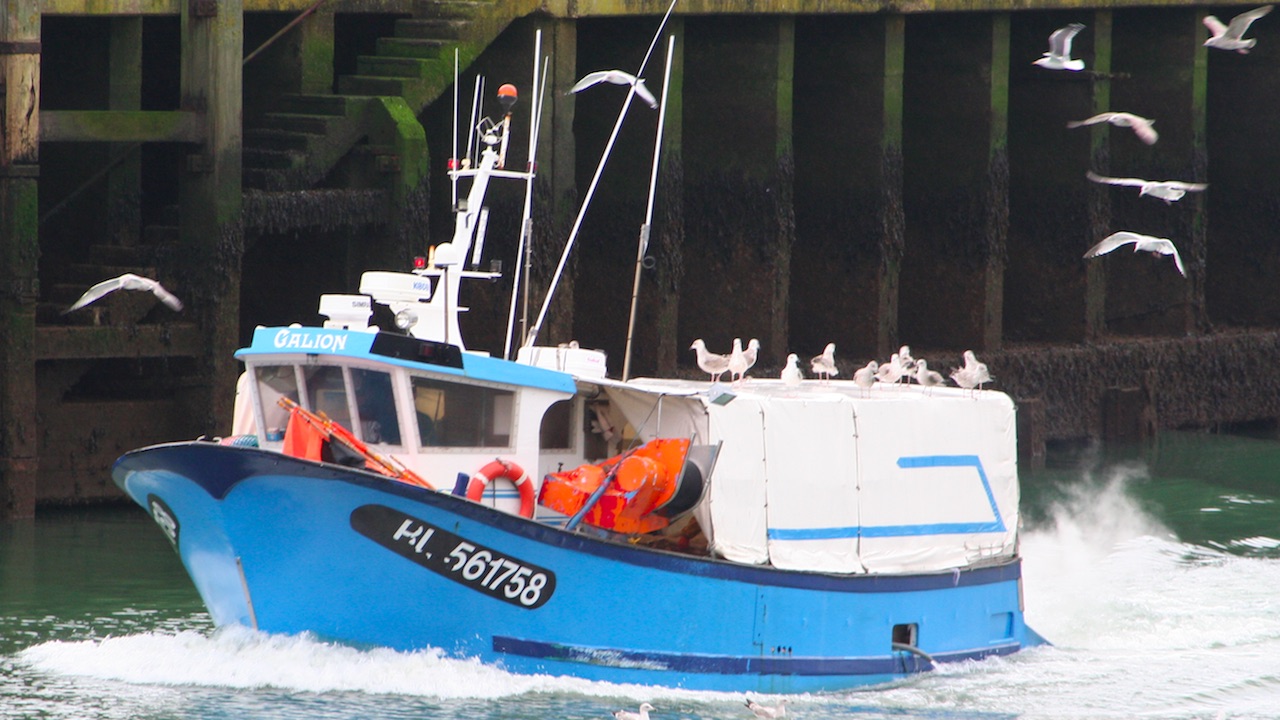
In 2022 and 2023 Mecanor2 worked with the Normandy and Hauts-de-France fisheries committes, and researchers at Ifremer, SMEL and the University of Caen to monitor four Eastern Channel and North Sea areas using self-sampling methods and analysis of landed catches.
Results indicated that whelk stocks in the Bay of Seine were overexploited that Seine-Maritime stocks were close to overexploitation. It concluded that part of landings consist of immature individuals, affecting the renewal of the stock. Recommendations were to increase the minumum landing size, to close the fishery for one day each week or to establish closure periods and fallow areas.
Mecanor2 also concluded that in the North Cotentin area crab stocks were considered overfished and lobster stocks were close to overexploitation, while spider crab stocks are increasing due to environmental changes and the fact that this species is not heavily targeted due to a limited market.