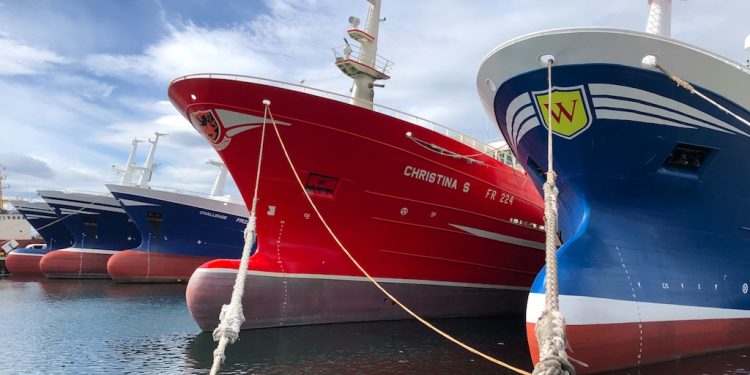





The latest Seafish report outlining the economic performance of the UK’s fishing industry indicates a flourishing pelagic sector as one of the key drivers of the fleet generating revenues of £1.15 billion in 2024 – the third consecutive £-billion-plus year for the fleet.
Data gathered during the 2024 Annual Fleet Economic Survey forms the basis of the Economics of the UK Fishing Fleet report which indicates an increase in overall operating profit of 26% between 2023 and 2024.
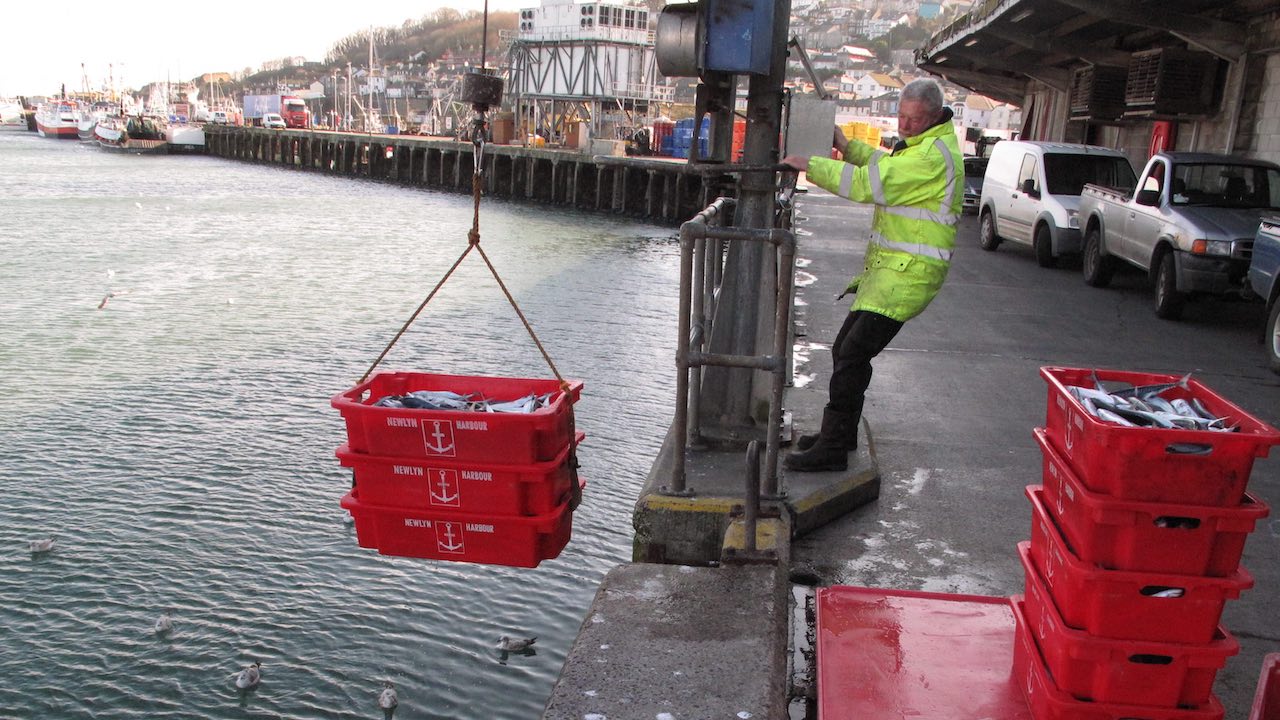
Of the 716,000 tonnes of fish and shellfish landed by UK fishing vessels in 2024, mackerel accounted for 226,000 tonnes and landings were up 15% compared to the previous year, primarily due to higher catches of key pelagic species.
While the totals look impressive, a deeper dive shows that different fleet sectors reflect some mixed fortunes.
‘Trends in fleet performance in 2024 were mixed and varied substantially according to the costs and earnings structures of each fleet segment. Increased landings and/or fish prices drove performance for some fleets, and most fleets benefited from lower fuel costs,’ said senior economist Dr Dana Wright.
‘The overall increase in turnover has been driven mainly by the UK’s pelagic fleet. For other fleet segments, the picture is unfortunately not so bright. For example, average income and operating profits of nephrops fleets are estimated to have reduced over the last year while 37% of survey respondents across all fleet segments rated their economic performance in the last twelve months as poor or below average. Just a quarter reported their performance to be excellent or above average.’
The Seafish findings reveal that the UK fishing sector accounted for 7263 full-time equivalent jobs in 2024, and there were 3785 active vessels in the fleet.
The English fleet size reduced by 4% in 2024 compared to 2023, continuing a post-Covid rapid decline. Despite this, there was a strong growth in operating profit, up 77% in 2023 and projected to rise another 69% in 2024 from £33.6 million to £56.7 million as fuel price pressure reduced. Gross Value Added (GVA) is expected to be £145 million in 2024, averaging 16% annual growth since 2022.
The Scottish fleet in 2024 experienced a similar 4% decline, although fishing income rose by 11% to £735.9 million, while operating profit is expected to be showing growth of 22% and stands at £251.6 million. GVA is up 19% at £446.9 million.
The Welsh fleet, of which 90% is under-10m vessels, saw a 33% increase in active days at sea but despite this additional effort, overall operating profit was down almost 10%. GVA generated by the Welsh fleet is also expected to decline by 7% to £6.5 million in 2024.
Northern Ireland’s fleet saw a fishing income of £72.6 million and an operating profit of £23.5 million – but operators reported that costs associated with Skilled Worker Visa (SWV) requirements were adversely affecting their bottom line. All three Northern Irish fleet segments experienced decreases in average income, alongside reduced fishing activity. The new regulations pertaining to transit visas require vessels hiring foreign workers to fish outside of the 12-nautical-mile zone or acquire a SWV.
When asked about how this affected their operations in the last year, several respondents reported having to fish outside of this zone due to the prohibitively high costs of obtaining these visas. These areas might be less productive for fishing, negatively affecting earning potential.