Capelin fishery starts off NE Iceland
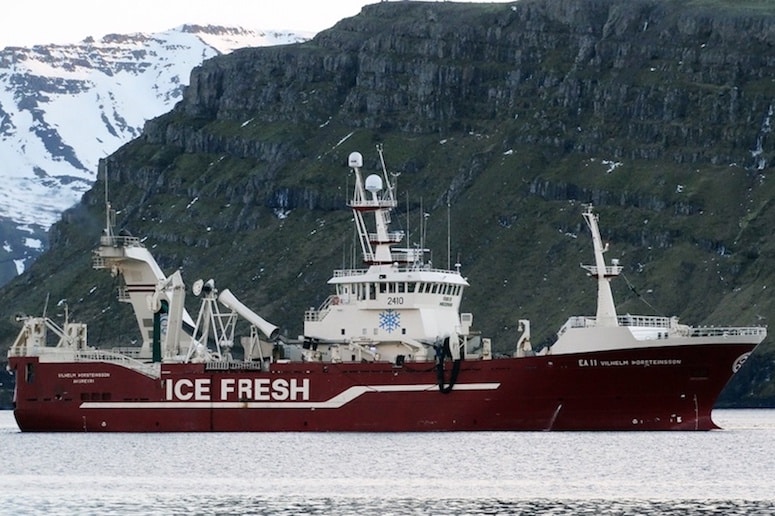
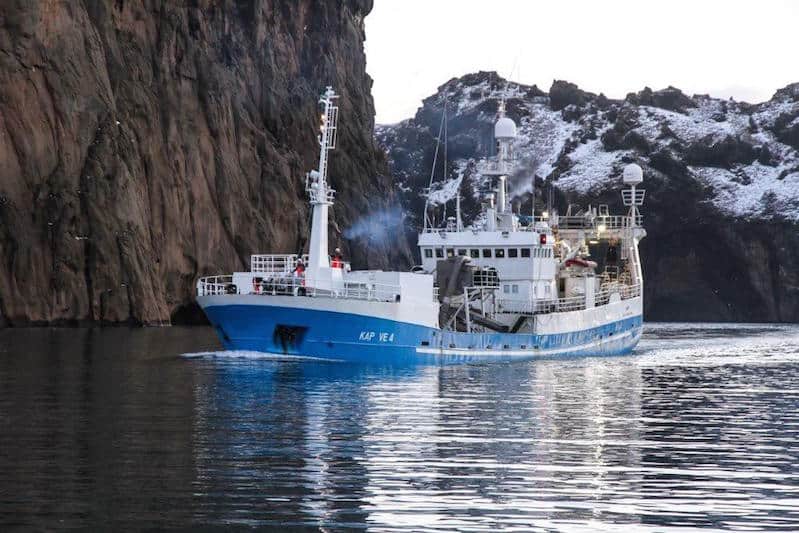
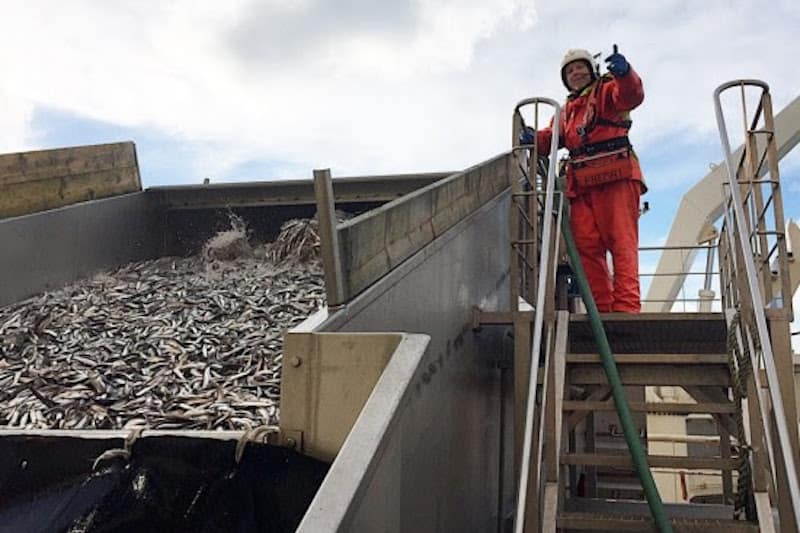
Síldarvinnslan’s pelagic vessels sailed from Neskaupstaður on Saturday and have found the first capelin of the season off the north-east of Iceland, before the usual research surveys have even started.
ICES has published its advice for the Barents Sea capelin quota for 2018, while the initial advice for the 2017-18 capelin fishery in Icelandic waters has also been made public. ICES has also corrected an error in its herring advice, revising downwards its recommendations for both this and next year.
Agreement has been reached between Norway, Iceland and the Faroe Islands over the division of the 2017-18 capelin season.
A month ago Iceland’s capelin season looked like a non-starter, with the fleet crippled by a long-running strike by crews and no prospects for any large capelin migration through Icelandic waters. It hasn't worked out quite like that.
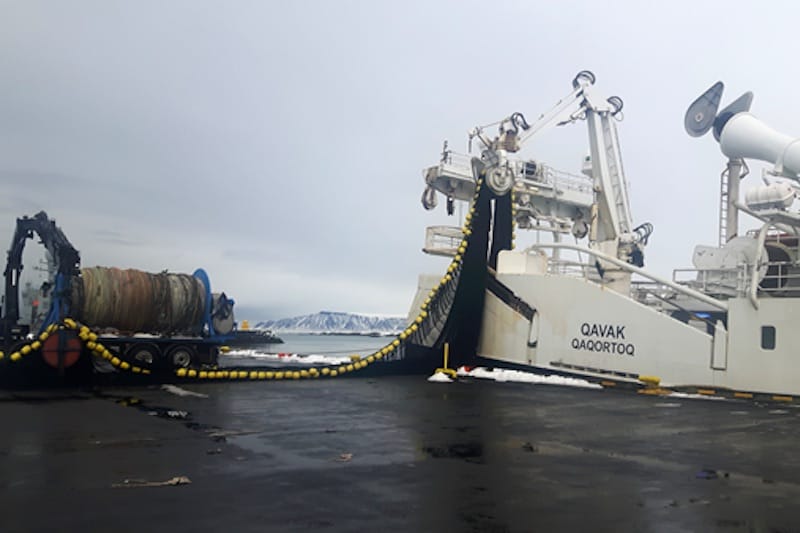
Greenlandic pelagic vessel Qavak is now into its fourth trip on fishing grounds off Snæfellsnes. Its crew of fourteen is partly Icelandic, including skipper Gylfi Viðar Guðmundsson, who is one of the owners of Huginn VE-55 and skipper opposite Guðmundur Huginn Guðmundsson. Qavak is operated by Greenlandic company Arctic Prime Fisheries aps, which is partly owned by Brim hf.
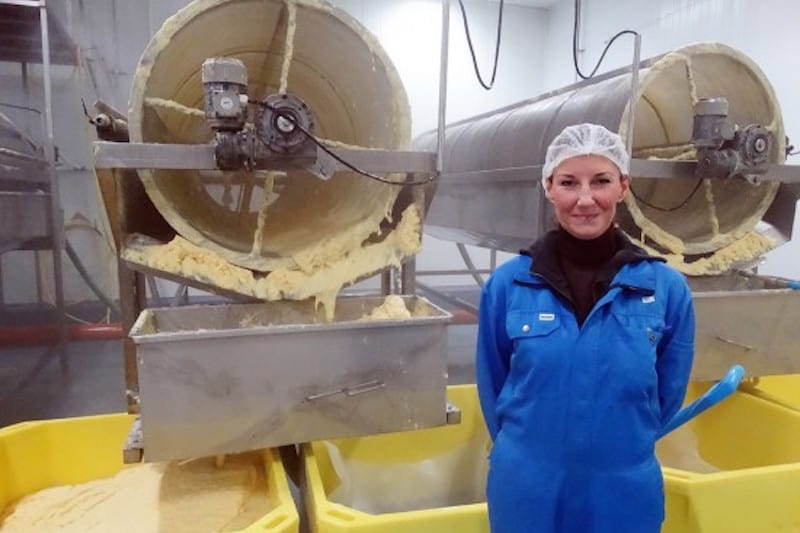
There is some brisk fishing for capelin off Snæfellsnes right now, and capelin roe production is in full swing at several processing plants in Iceland as the season still shows no sign of coming to an end.
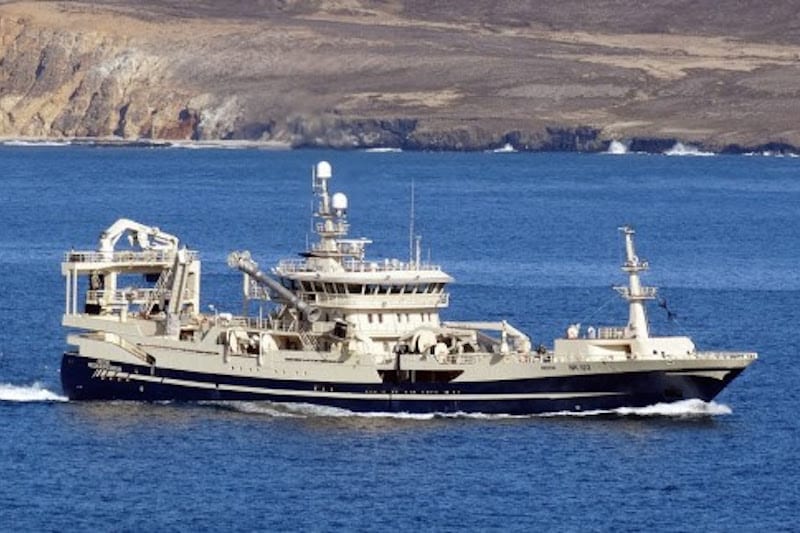
Síldarvinnslan’s pelagic vessel Beitir has broken a few records this week after docking at Neskaupstaður in eastern Iceland last night with 3000 tonnes of capelin on board.
Less than 24 hours after the seamen’s strike ended on Sunday night, two of Síldarvinnslan’s pelagic vessels were steaming home with 5200 tonnes of capelin.
Norwegian purse seiner Roaldsen was on its way to land at the Síldarvinnslan factory at Neskaupstaður in eastern Iceland with 430 tonnes of capelin in its tanks when a strong mark appeared on the sounder and skipper Erling Roaldsen reacted quickly, shooting away for an additional 70 tonnes of good-quality capelin.
The Ministry of Fisheries has decided to increase this season’s capelin quota to 299,000 tonnes, of which approximately 196,000 tonnes goes to the Icelandic fleet.