Ending the capelin Yo-Yo
Pelagisk Forening, representing Norwegian pelagic operators, has put out a call for greater stability in the capelin fishery, which in recent has rocked from a substantial fishery, to zero. ‘We…
Pelagisk Forening, representing Norwegian pelagic operators, has raised a number of questions concerning the uncertainty surrounding capelin fishing, stating that as so often before, what the fishermen see is not the same as researchers observe.
The loss of the capelin season this year comes as a blow to coastal areas in Iceland, where the fishery traditionally provides a boost at this time of year.
While Icelandic pelagic vessels are busy fishing blue whiting west of Ireland, this is the time of year when they would usually be in the midst of the winter capelin season. Although there were hopes that enough capelin would be located to allow the fishery to begin, it is not clear that this isn’t going to happen.
ICES has advised a zero Barents Sea capelin TAC next year, although according to the Norwegian Marine Research Institute, there is no likelihood of a collapse of the stock.
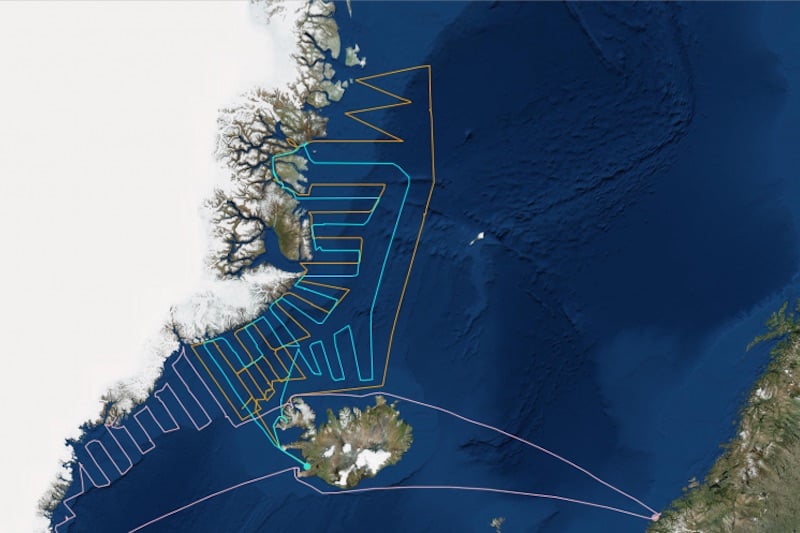
An acoustic survey of the capelin stock carried out north of Iceland and south-west of Greenland during September has not returned results substantial enough for an initial quota to be allocated – although the Marine Research Institute has yet to finish processing the data.
Negotiations have been in progress since 2016, but agreement has now been reached between Iceland, Greenland and Norway on capelin fisheries that take place in Icelandic waters. The previous agreement dated back to 2003.
After two years with no capelin fishery in the Barents Sea, Russian vessels have this year declared catches of 66,000 tonnes of capelin, a 30% increase on the last season’s total in 2015.
Both of HB Grandi’s pelagic vessels have made their final capelin landings of the season to the company’s factory in Akranes, and once the fish have been processed, the season will be over. The vessels are now heading for blue whiting in international waters west of Ireland.
The short roe season that is the high point of Iceland’s capelin season is now well under way, with roe processing in progress at several locations. HB Grandi’s production is underway in Akranes, roe is being processing the Westmann Islands and Síldarvinnslan is producing capelin roe landed and processed at Helguvík, and frozen at Saltver’s factory in Reykjanesbær, as well as producing roe capelin in Neskaupstaður.