Iceland boosts capelin quota
The Ministry of Fisheries has decided to increase this season’s capelin quota to 299,000 tonnes, of which approximately 196,000 tonnes goes to the Icelandic fleet.

The Ministry of Fisheries has decided to increase this season’s capelin quota to 299,000 tonnes, of which approximately 196,000 tonnes goes to the Icelandic fleet.
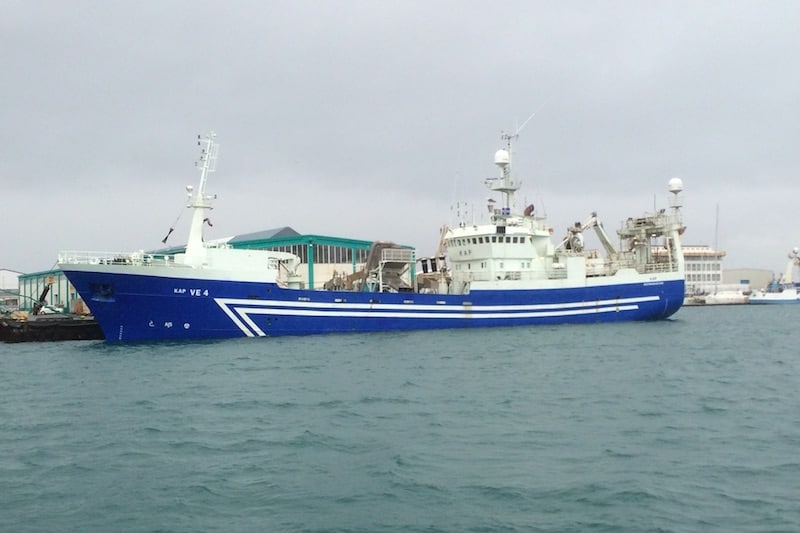
Iceland’s fishing fleet has been crippled for an unprecedented two months since the current seamen’s strike began mid-December. This is easily the longest dispute to take place in Iceland between seamen and owners, with the government declining to take a hand in ending the strike.
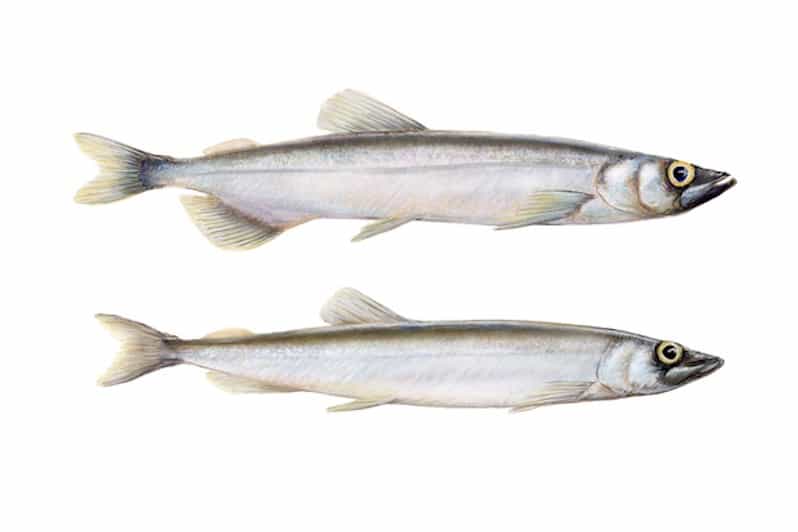
Capelin were landed yesterday at Neskaupstaður in eastern Iceland by two Norwegian pelagic vessels.
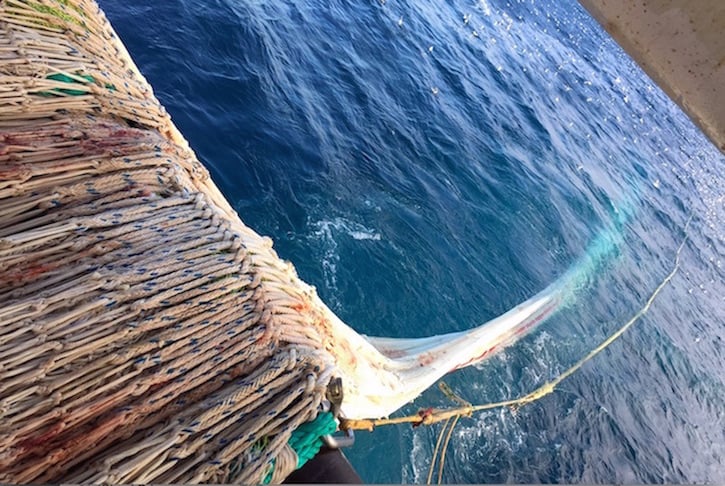
The capelin season in Icelandic waters is in progress, although there are currently no Icelandic vessels taking part in the fishery due to the ongoing seamen’s strike.
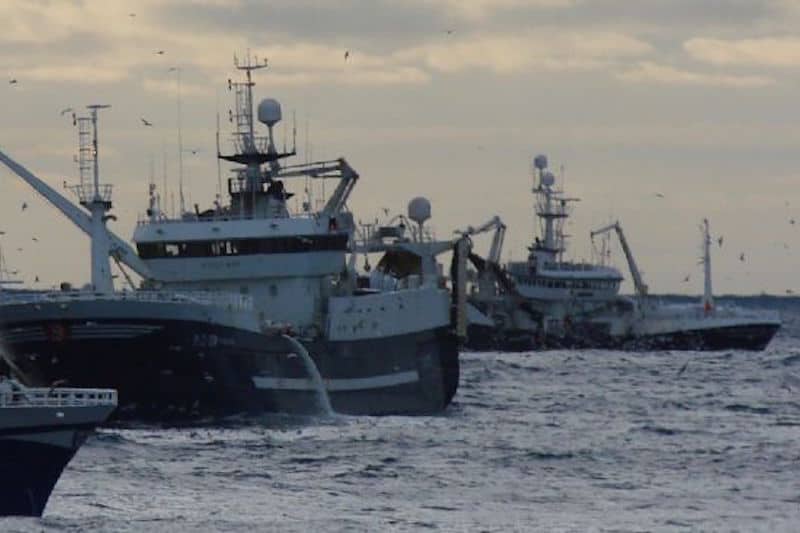
Iceland’s Marine Research Institute recommended a 57,000 tonne capelin quota for the 2016-17 season, confirmed by the Minister of Fisheries, but most of the quota goes to the Norwegian fleet.
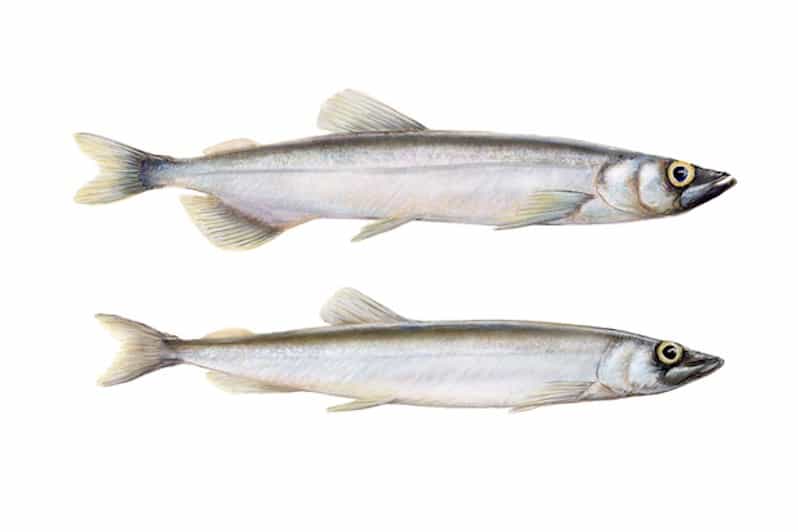
Results of the research surveys carried out by research vessels and one commercial fishing vessel have been digested and Iceland’s Marine Research Institute has decided on a 57,000 tonne capelin quota.
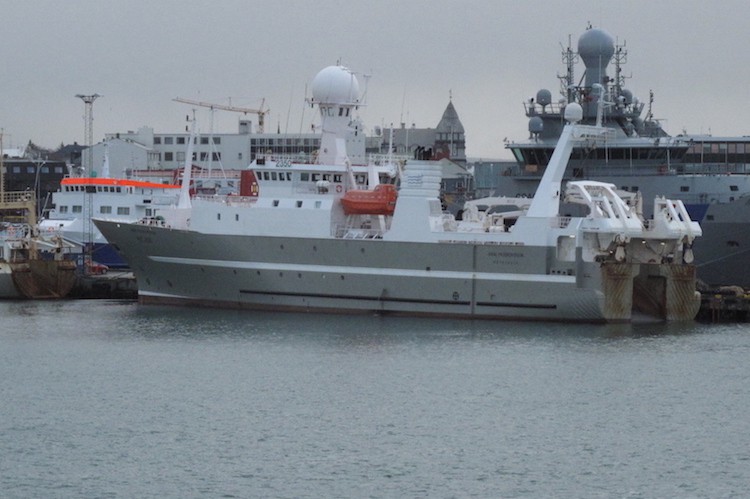
With Iceland’s seamen on strike and negotiations in progress, the Seamen’s Union has rejected a request from the Marine Research Institute for an exemption for research purposes.
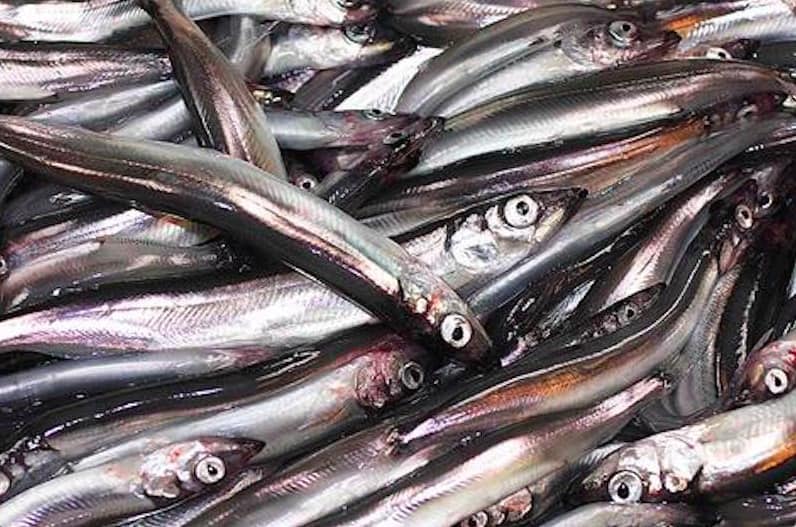
Researchers have identified only small amounts of juvenile capelin in the Barents Sea, but encouraging volumes of fry with the third largest recorded volume in the region.
Two research vessels have spent a month searching for capelin from Greenland across Icelandic grounds, with disappointing results.
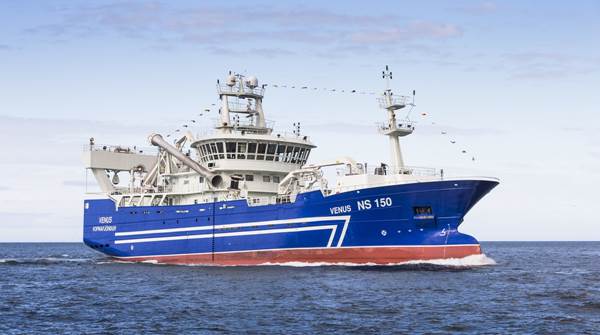
HB Grandi’s Venus docked at Vopnafjördur last night with 2300 tonnes of capelin on board. The fish were caught in Breidafjördur on Sunday and Tuesday, the only days when the weather was kind enough to allow the fleet to shoot its gear.