January sees the return of the Norwegian skrei season as Arctic cod undertake their 1000km migration from the Barents Sea to spawning grounds off the coast of northern Norway.
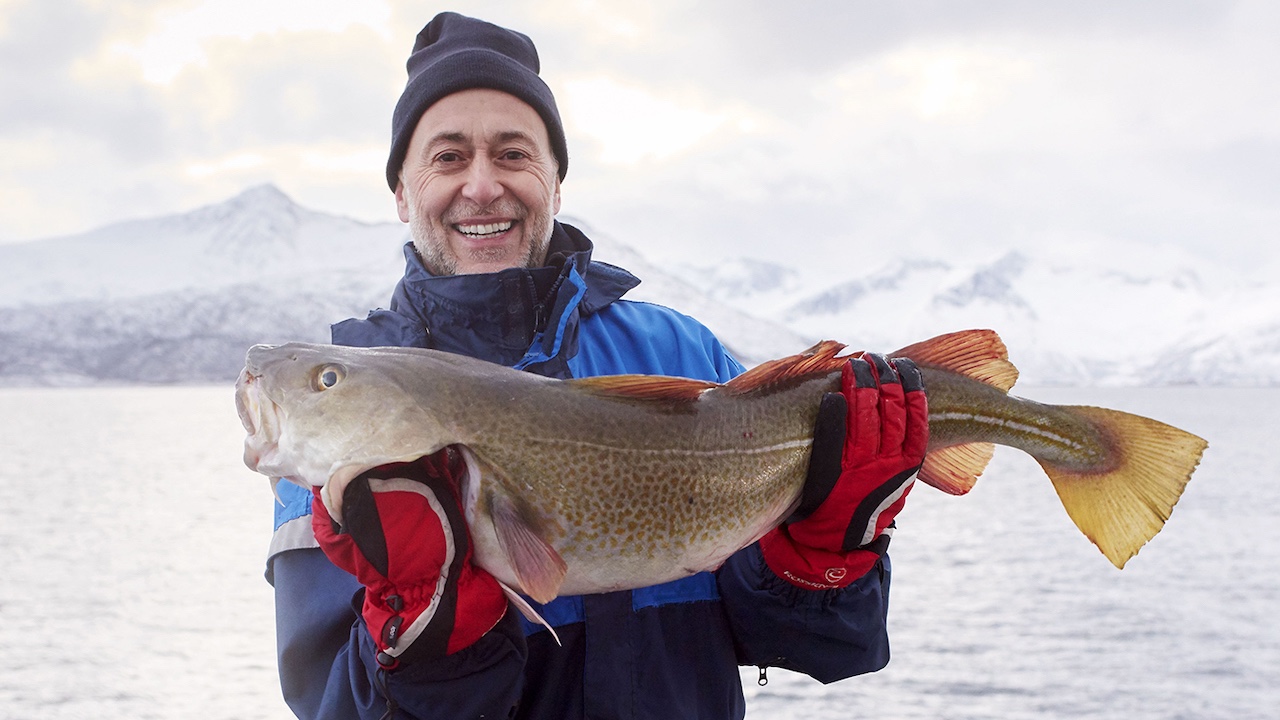
Last year skrei quality was recorded as excellent by those managing of quality control. The largest export markets for Norwegian skrei last year were Denmark, Spain and Sweden, with France and Germany also showing a strong preference for this seasonal offering. These European countries’ urge to showcase skrei according to their own culinary traditions prove its migration doesn’t stop once it’s been caught.
Also referred to as Norwegian winter cod, the fish undergoes rigorous quality control checks along with gentle handling to maintain high standards. The fish can then be approved for the official Norwegian Skrei quality-approved trademark. The trademark and strict rules for quality ensure the origin of the fish and that it is exported in line with the official Norwegian standards for skrei.
The guaranteed quality is reviewed through system and product controls carried out by an independent third party.
Quality checks are overseen by the Skrei Patrol, which operates on behalf of the Norwegian Seafood Council and sales organisation Norges Råfisklag, overseeing correct preparation directly after catch, ensuring the skrei is free from bruising or blemishes, and that it is chilled rapidly to guarantee the highest quality fish. The Patrol monitors packaging throughout the season, as well as inspecting facilities and transport hubs.
‘The quality should be excellent as always – the standard stands firm,’ said Jonnette Braathen of the Skrei Patrol, looking ahead to the 2026 season.
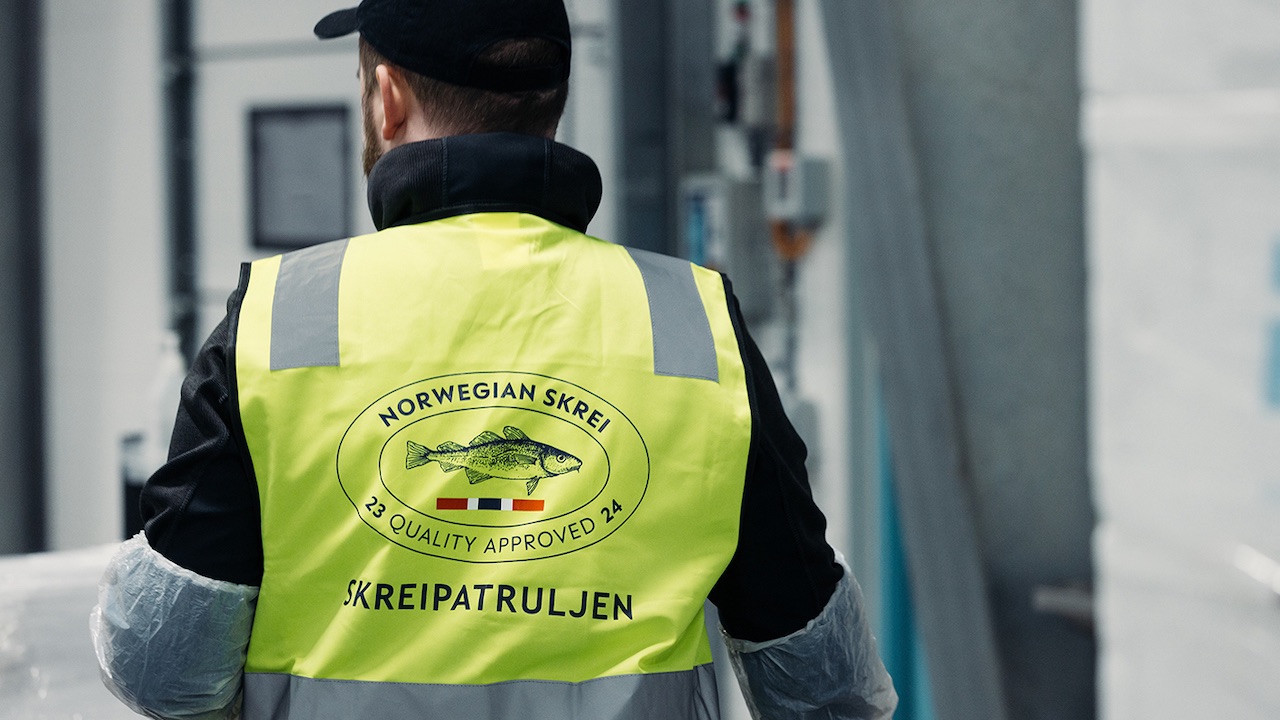
‘The most important task of the Skrei Patrol is to keep a good dialogue with the producers, enabling them to make the right decisions when they sort the skrei for packaging with the label.’
Leading chef Michel Roux sees Norwegian seafood as an ally in his approach to food values. He describes Skrei as the ‘beautiful white, pearly, cod’ that he stresses ‘is not just cod’ – as an example of the coming together of unmatched quality and sustainability.
‘Skrei is a great example of fisheries management in Norway,’ he said.
Skrei’s long migratory journey results in a leaner fish than most, with its fat stored in the liver rather than the muscles. One portion of this low-calorie, high-protein fish contains the recommended daily amount of omega-3, and vitamins A and B12, which are linked to a strong immune system, good brain and reproductive health. Skrei also contains selenium and iodine, which act as a powerful antioxidant, as well as offering a range of other health benefits.