


Together with businesses, schools, and public sector and voluntary organisations, the Norwegian seafood industry is participating in a bid to tackle plastic pollution in marine waters, according to the Norwegian Seafood Council (NSC).
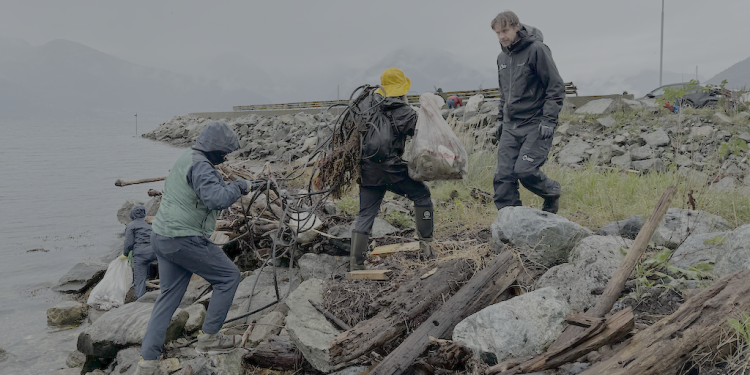
In the runup to World Cleanup Day on 20th September, Norway is participating in the nationwide Beach Cleanup Week (Strandryddeuka), which culminates in a joint effort to remove marine litter from the Hardangerfjord. This year marks the fifth year of the Clean Hardangerfjord campaign, which was launched in 2022 and is organised by Framtidshavet (The Future Ocean Foundation) in collaboration with other local Norwegian organisations.
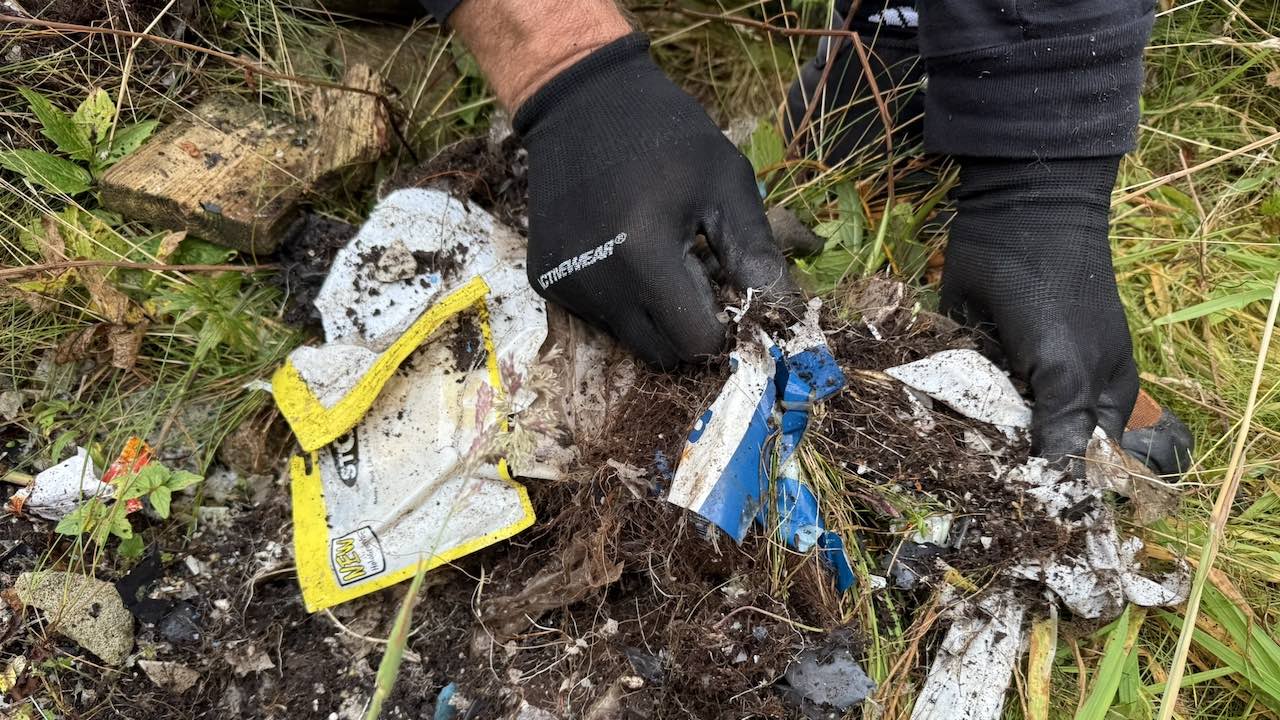
Beach Cleanup Week takes place in Norway from 11-20th September and last year saw 164,253kg of marine litter removed from Norwegian waters and surrounding areas.
According to the clean-up report from the environmental organisation Hold Norge Rent, volunteers have cleared more than 5.1 million kg of litter from Norwegian beaches over the past five years. The aim is to collect as much marine litter as possible in one day along the entire 180km length of Hardangerfjord.
‘Over the first four years, we have collected 80 tonnes of plastic from the Hardangerfjord. This has been possible thanks to a unique collaboration between the public sector, schools, private businesses and voluntary organisations. When we all pull together, it is incredible what we can achieve,’ said Kenneth Bruvik, founder, board member and project coordinator at Framtidshavet.
‘An initiative of this scale not only gives us a cleaner fjord, but also brings a range of other positive effects, such as reputation and brand building, better public health, closer connections to the fjord, research and collaboration across regions. It is a model I hope more people will be inspired by, both in Norway and abroad.’
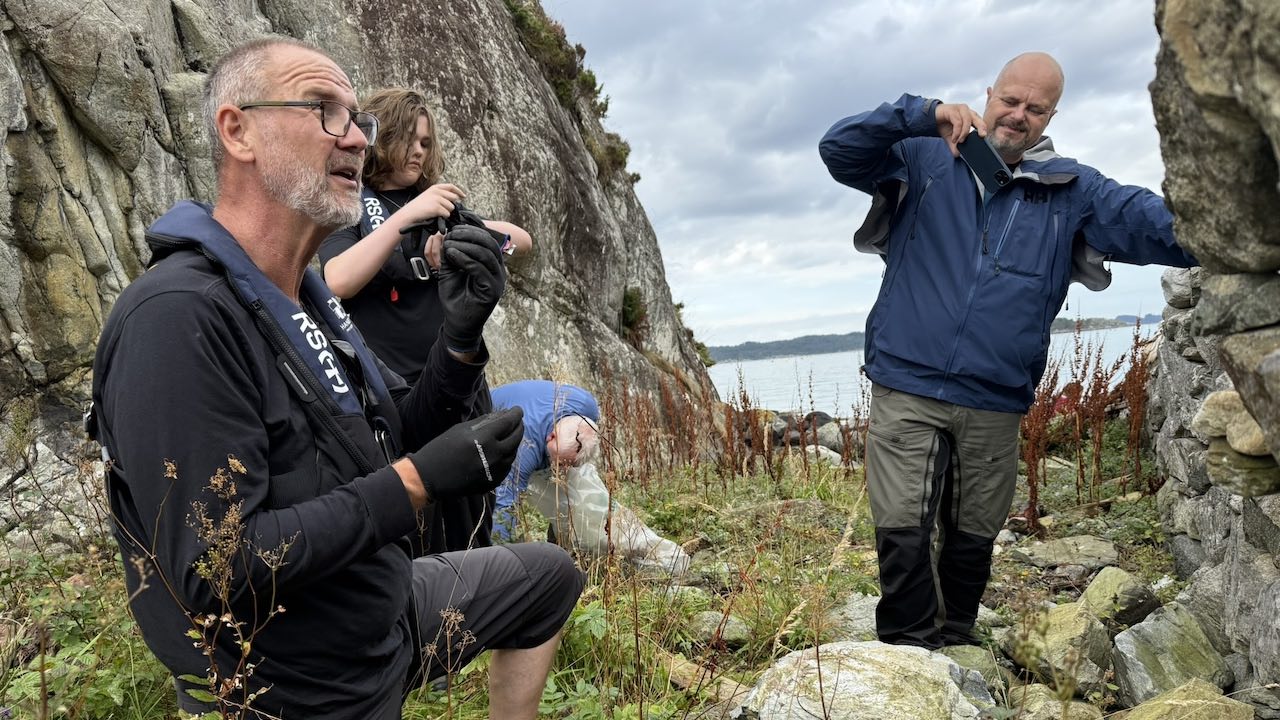
The Norwegian seafood industry has contributed to Clean Hardangerfjord every year since its inception. Since the very beginning, representatives from both fisheries and aquaculture have ensured boats, equipment and volunteers are available for the campaign.
‘We are very grateful for the efforts made by the entire seafood industry. Although we still find a lot of marine litter originating from aquaculture and fisheries, today’s industry representatives have a completely different attitude from their predecessors. It is no longer acceptable for a fisher or aquaculture operator to throw waste into the sea,’ said Kenneth Bruvik, who has seen the effects of plastic waste in the ocean.
‘It is frightening to see how plastic slowly becomes embedded in nature and eventually turns into microplastics. It destroys life in the ocean and is highly damaging to public health. We cannot allow that, which is why we need to put this issue on the global agenda.’