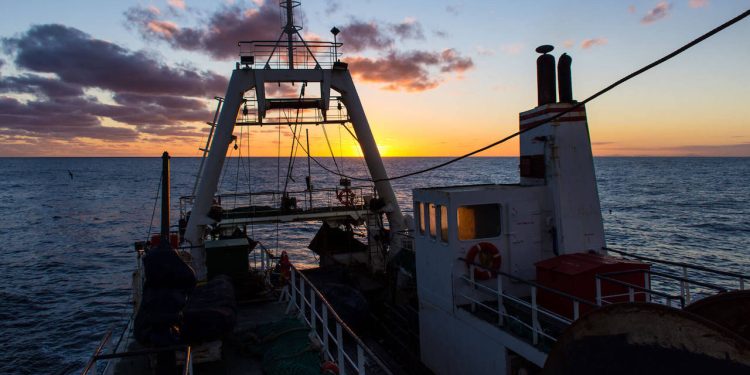



The South African Deep-Sea Trawling Industry Association (SADSTIA) is working towards a fifth MSC certification, which will make the South African trawl fishery for hake one of the longest continuous MSC certifications in the world’s fishing industry.
This was the first hake fishery to receive MSC certification back in 2004, setting a benchmark for sustainable hake fishing practices.
‘The 2025 re-assessment will mark another chapter in SADSTIA’s sustainability story, reinforcing its position as a global leader in responsible fisheries management and its unwavering commitment to the long-term health of South Africa’s marine resources,’ said SADSTIA executive secretary Johann Augustyn.
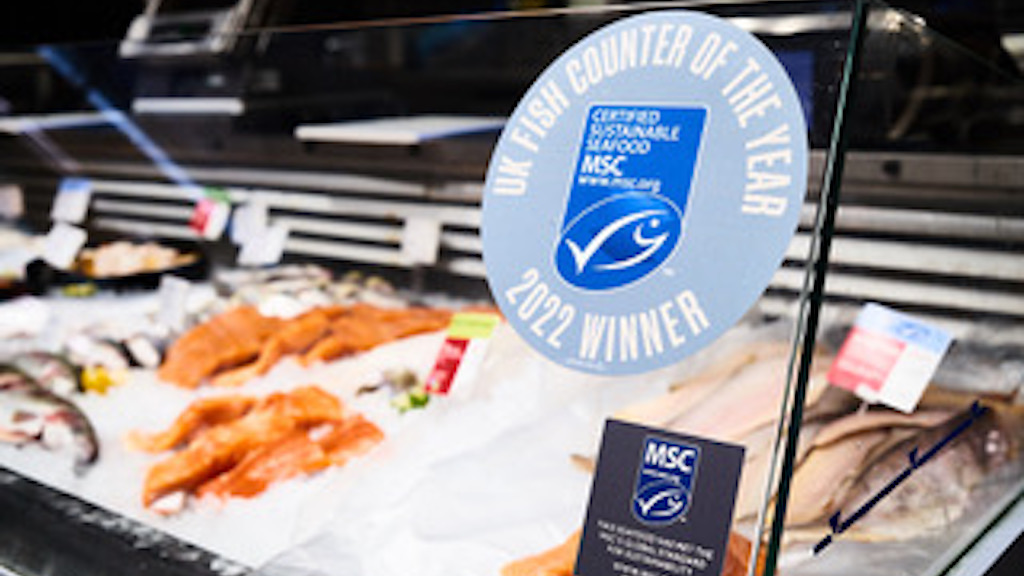
According to Michael Marriott, MSC Programme Director for Africa, the Middle East and South Asia, the South African trawl fishery for hake has played a leading role in working with government, scientists and non-governmental organisations to ensure the long-term future of the hake resource and the ecosystem that it depends on.
‘We’re very pleased to have been able to recognise the fishery’s contribution to research and to improving operations in its efforts to achieve best practice,’ he said.
The re-assessment of the South African trawl fishery for hake signals SADSTIA’s continued commitment to meeting the most rigorous standards for sustainable fishing. Working closely with the Department of Forestry, Fisheries and the Environment, SADSTIA manages and carefully monitors its members’ catches, which are regulated by science-based quotas, ensuring the long-term health of hake populations.
As part of a comprehensive management framework, SADSTIA members restrict trawling to a ring-fenced area – preventing damage to lightly trawled areas and preserving natural refuges for hake. The ring-fenced area covers approximately 4.4% of South Africa’s territorial waters, with clearly marked boundaries that skippers can easily identify to ensure compliance.
The fishery is also consistently monitored through a dedicated scientific observer programme, funded by SADSTIA and now in its twentieth year. Observers collect critical data on catch composition, species interactions and ecosystem impacts, including the impacts of trawling on vulnerable species such as sharks, seals and seabirds. Long-term observer data underpins the science-based management of the trawl fishery for hake.
With international buyers increasingly seeking MSC-certified seafood, the certification of the South African trawl fishery for hake has secured access to premium markets. This has enabled SADSTIA members to support approximately 12,400 jobs and contribute an estimated R8.5 billion annually to the South African economy, demonstrating that sustainability is not just an environmental imperative but a sound business strategy.
The upcoming assessment represents more than a routine review; it is an opportunity for SADSTIA to demonstrate how continuous improvement and adaptive management can maintain certification standards while responding to new challenges such as climate change, evolving markets, and changing regulatory frameworks.