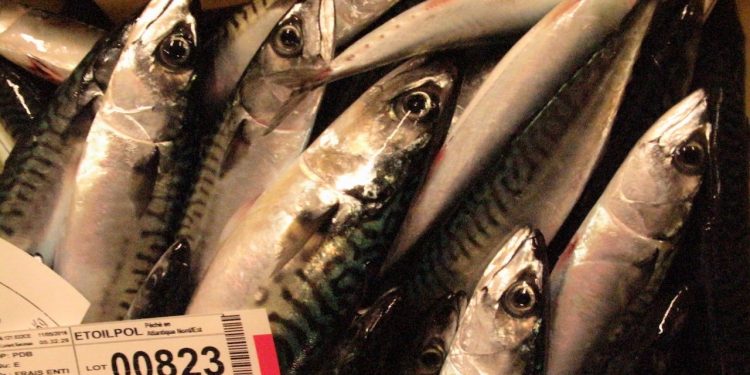



Speaking at the Fisheries Relations with Norway public hearing organised by the Fisheries Committee in the European Parliament, PFA president Tim Heddema outlined that despite the shared ambitions of sustainable fishing and strong control and enforcement, as well as the positive wider relationship with Norway, the reality is that there is continuous overfishing of important pelagic stocks by some Coastal States.
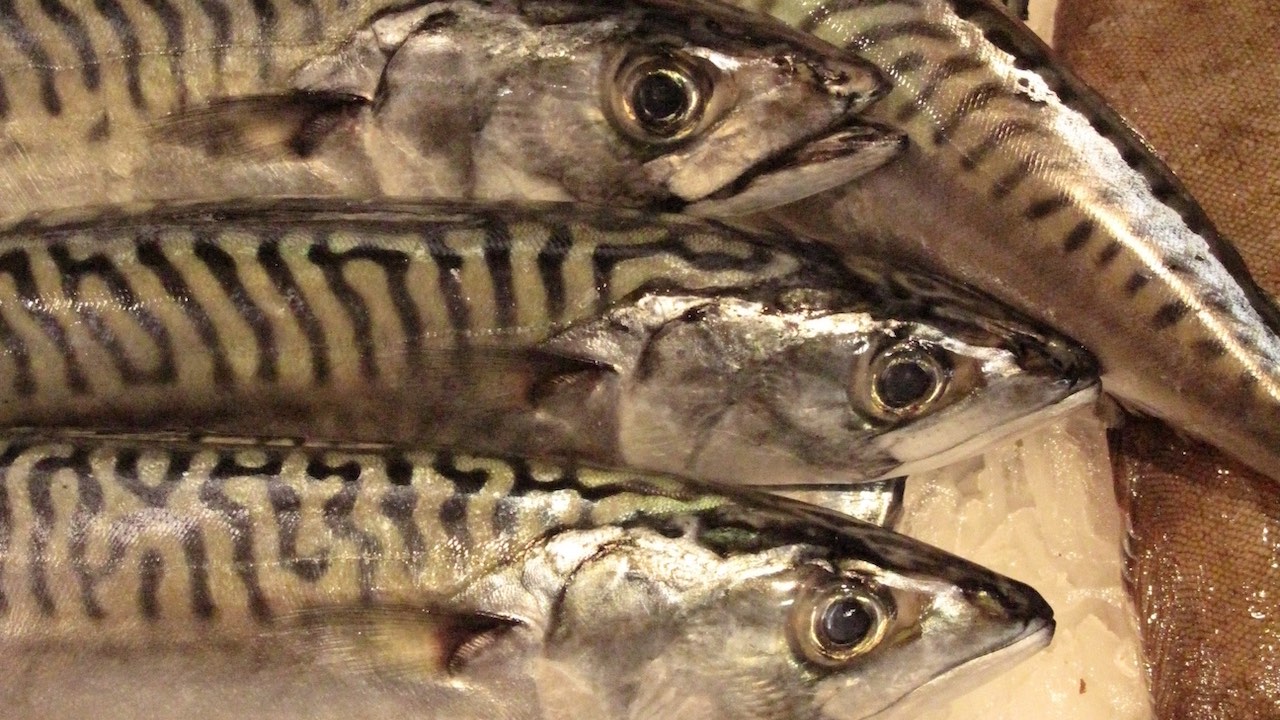
‘Norway claims to be entitled to such higher levels and shares on the basis of geographic distribution of the stocks. This so-called zonal attachment concept is however very much flawed,’ he said, commenting that mackerel is approaching breaking point.
‘The scientists involved in the collection of such data tell us clearly that too many caveats, gaps and uncertainties exist in these data. For this to be meaningful, data would have to be available for every zone, every life stage, every season, etc. Those same scientists say it is impossible to ever get there.’
Stressing the importance of the EU continuing to stand its ground, he stated that, ‘the EU industry stands firmly with the EU negotiators for championing the use of genuine, sustainable historic track records and interests as a sound basis for a sharing arrangement. In contrast, the current overfishing should not be accepted to count towards an increased fishing track record for those concerned.’
Commenting on the partial agreement oin mackerel between Norway, the Faroe Islands and the UK, he said that even orgainsations such as the MSC have welcomd this as a potential stepping stone towards a more comprehensive agreement.
‘We definitely don’t see it that way and I’m pretty sure the European Commission will agree with me,’ Tim Heddama said.
‘This partial agreement is … first and foremost used to cement the illegitimate track records that these parties have built up. It does not leave enough room for other parties to join, at least not commensurate to their track records and interests. So, no. It is not a stepping stone. It’s the opposite. It has antagonised the other parties and it has made the process even more difficult.’
He told the public hearing that the EU is faced with management partners who appear to have little to gain from entering into new comprehensive sharing arrangements, and that linking fisheries and markets can be an important factor.
‘Other partners are downplaying the EU fishing interest, while they are themselves practicing overfishing, often not for direct human consumption, and while their products take up the larger part of the EU market. Therefore, EU institutions should adopt the amended EU Regulation on non-sustainable fishing practices as soon as possible,’ he said.
‘This is important, as the legal toolbox is quite empty.’
In his closing remarks, Tim Heddema commented that in the short term, it will be very difficult to reach results. However, he believes there are ways to improve opportunities.
‘Despite the many differences, I also consider the relationship between the EU and Norwegian industry, but also the Norwegian government, professional, open and positive. Perhaps now the time has come to step onto the pitch as industries and play some ball ourselves. I am happy to see Norwegian initiatives to that end.’ he said.