



A series of proposals floated by New Zealand’s Ministry for Primary Industries (MPI) outline a number of changes that aim to increase the certainty, efficiency and responsiveness of fisheries management.
According to industry body Seafood New Zealand, these proposed changes to commercial fishing rules are a win for consumers, common sense and sustainability.
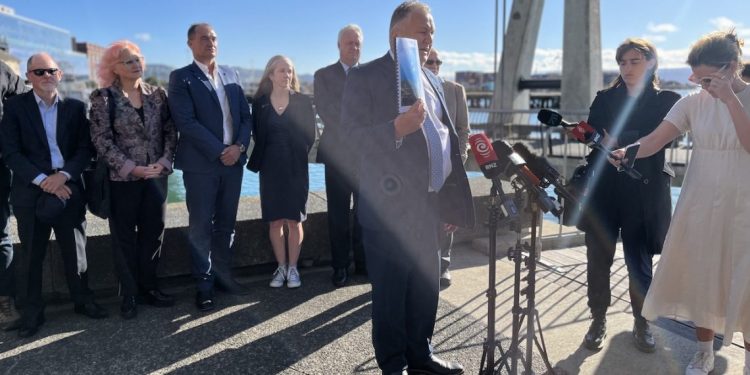
Minister Shane Jones launched the consultation on the proposed amendments to the Fisheries Act, which he descibed as ‘arguably the broadest set of changes since the QMS (Quota Management System) was introduced.’
These could become very significant changes – although it is not certain they will all be passed by Parliament.
In his speech to the media, announcing this consultation, he stressed that the proposals will help MPI to respond faster when they see fish stock levels going up or down by being allowed to draw on a wider range of data.

‘There is no undermining of anyone else’s rights. Environment or lobby groups don’t need to worry about the impact on the planet or their ability to continue to fish recreationally,’ he stated.
‘The public will still always have an opportunity to have their say on fisheries decisions. This is is not a blow to transparency. The proposal to exempt onboard camera footage from the Official Information Act won’t stop the public having access to the data gathered by the cameras exactly as they do now.’
According to Shane Jones, the regulator will still be able to view all the footage captured, record what is being caught and then publish that information.
‘We have new camera technology on our vessels that confirms what we’re catching. It makes sense to change the rules about landings and discards to allow fishers to return unwanted fish to the sea, rather than bring them all the way back to land where they will be disposed of,’ commented Seafood New Zealand CEO Lisa Futschek.
‘This might happen with a fish like rough skate, which would often end up being a waste product. If the proposals go through, it could be put back in the sea. The fisher would still have to “pay” for it because it will count against their annual limits. But this system will be more sustainable because that fish will stay in the ocean food web, rather than being a waste product on land.’
She explained that this will apply only to vessels with cameras or observers will be able to do this.
The proposals have been shaped by a process led by the Ministry for Primary Industries where experts from the fishing industry were able to contribute their knowledge and ideas in a Seafood Industry Forum, which took place across 2024.
Lisa Futschek is urging the public to read the full list of proposals and have their say. The consultation document and other details, including how to make a submission, can be found on MPI’s website.
‘We would strongly encourage people to get involved in the process and familiarise themselves with what the proposals entail. We know there has been a lot of mis- and disinformation spread about commercial fishing in recent years. Most of that is seriously out of date, often referencing situations that perhaps were true forty years ago but are very different today. Reading the full document from MPI will help everyone see the common sense behind these changes and why they are needed,’ she said.
‘Every system needs tweaking from time to time, particularly when new technology comes along that renders some of the rules out of date. We want to thank Minister Shane Jones and the experts from MPI who were part of this process, which will create better fisheries management systems that will be an advantage to everyone. That includes our communities who rely on the seafood industry and consumers who can know they are benefitting from a more up to date system that’s focused on sustainability.’