




With days to go before the 2026 end-of-year fisheries negotiations, the NFFO executive secured a meeting with newly appointed Food Security Minister Angela Eagle at DEFRA’s London offices, marking an important introduction at a pivotal moment for UK fishing.
Representatives from across the NFFO membership around the English coast presented the breadth of industry priorities and perspectives. NFFO CEO Mike Cohen opened by emphasising that this is a defining period for decisions on fishing opportunities, sustainable management and ensuring there are growth opportunities and a focus on national food security. Decisions made in this year’s annual negotiations will shape how the sector and government work together in the years ahead.
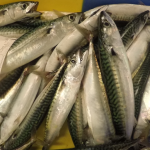
Both North Sea cod and mackerel were priority talking points and members warned that increasingly rigid ICES modelling leaves little room for practical judgement and management options, creating year to year volatility that undermines business confidence, investment and long-term food security.
The NFFO stated that a management approach that uses science wisely but not blindly is needed.
While the North Sea faces volatility in some key stocks, the South West is showing encouraging and ongoing recovery for pollack, spurdog and bass. Members called for alignment of pollack management with French recreational rules given the new ICES advice now incorporating recreational catches, which will speed up recovery for an important fishery, and more pragmatic bass measures to match the improving scientific outlook.
The NFFO membership highlighted its growing record of constructive collaboration with eNGOs, in contrast to the noise of anti-fishing campaigns from the extreme end of the spectrum. Examples shared with the Minister included Clean Catch, which brings together science, industry and NGOs to develop practical bycatch solutions, and the Spurdog recovery, where partnership work successfully rebuilt a stock once under severe pressure. That same collaboration is now turning to new management scenarios in response to a growing population. These examples show that progress comes through partnership and pragmatism, not polarisation. Further thoughts were shared on how this should be applied to future management of marine protected areas and fisheries management plans.
Inshore representatives set out the urgent need for better alignment between IFCA and MMO around parts of the coast, calling for a shared culture of consistency, transparency and practicality in management decisions. The message was clear: new fishing opportunities must be created and shared fairly to maximise benefits for coastal communities.
Inshore and non-sector representatives also highlighted the intensifying spatial squeeze, as renewable energy development, MPAs and continued EU fleet access to 2038 leave limited space for domestic vessels to operate.