





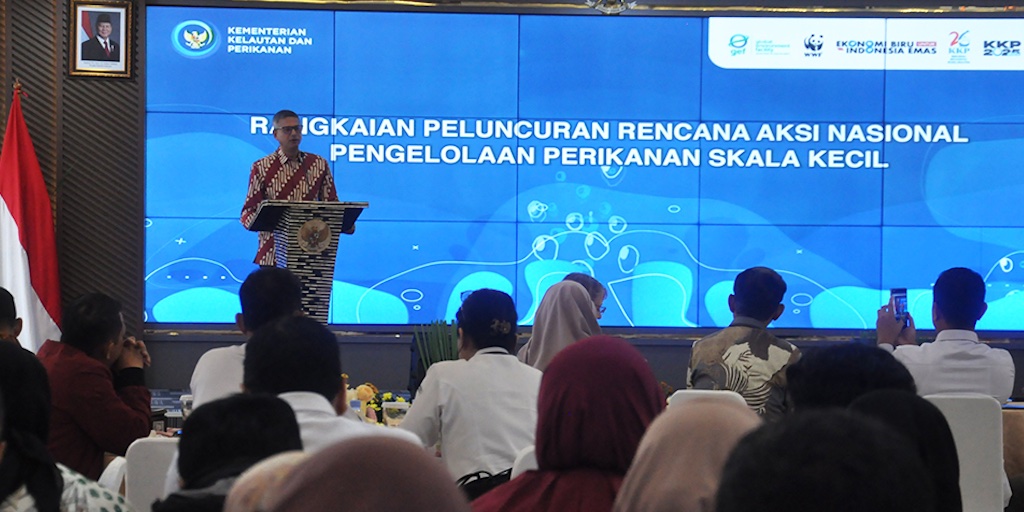
In a major step toward strengthening the country’s coastal fishing communities and sustainable fisheries management, Indonesia’s Ministry of Marine Affairs and Fisheries (MMAF) has launched its National Action Plan for Small-Scale Fisheries Management (NPOA-SSF).
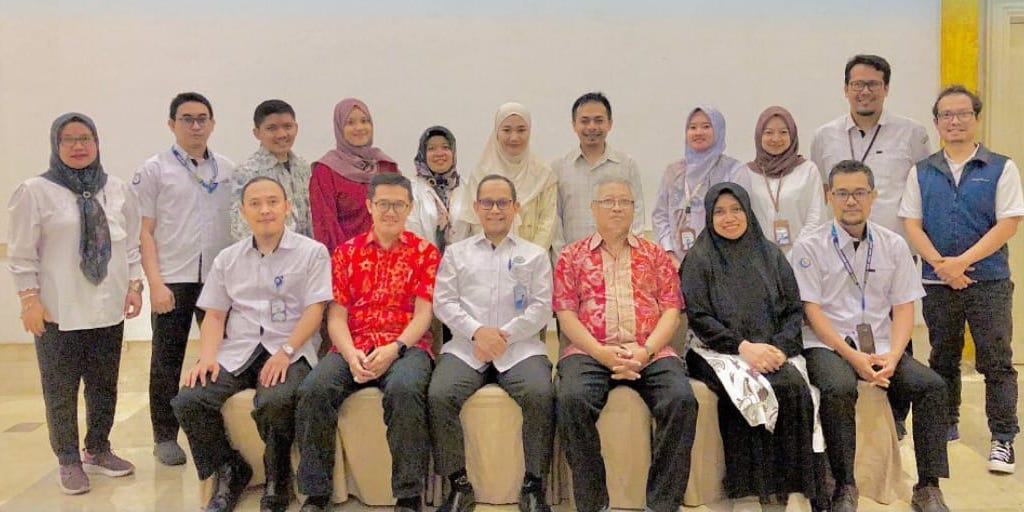
The launch comes after a drafting process in August 2025, during which the CFI Indonesia programme facilitated the finalisation of the document, marking a global commitment through CFI Indonesia’s support. This aligns national policy with the principles of FAO’s SSF Guidelines and national legislation.
‘Small-scale fisheries are the cornerstone of coastal welfare and food security,’ said Hendra Yusran Siry, Advisor to the Minister on Ecology and Marine Resources at MMAF.
The NPOA-SSF is intended as a strategic document to protect and empower small-scale fishers, foster collaborative governance, increase supply-chain value, and ensure measurable implementation. It also integrates three key pillars – the Ecosystem Approach to Fisheries Management (EAFM), decent work and social protection for fishers, and occupational safety for small-scale fishers across Indonesia.
‘This national action plan marks a significant milestone in Indonesia’s journey toward inclusive and sustainable fisheries,’ explained Rajendra Aryal, FAO Representative in Indonesia and Timor Leste who jointly launched the document together with MMAF.
‘FAO will stand behind the efforts of the country to move towards sustainable and equitable small-scale fisheries and ensure that no one is left behind.’
The MMAF stressed that the NPOA-SSF’s success will be measured by the increase in fishers’ income, the quality of their catch, and the sustainability of Indonesia’s marine ecosystem.
The NPOA-SSF was developed through extensive collaboration between MMAF, CFI Indonesia, FAO, and key national stakeholders. CFI Indonesia coordinated technical discussions and multi-stakeholder consultations throughout the drafting process.
The Kesatuan Nelayan Tradisional Indonesia (KNTI), as Indonesia’s largest small-scale fisher organisation, played a central role from the earliest stages. Having worked with the SSF Guidelines since their launch in 2014, KNTI introduced the guidelines to fisherfolk, advocated for their principles, and collaborated with FAO to translate them into Bahasa Indonesia and disseminate them across its nationwide membership. Throughout the drafting process, they contributed to include grassroots perspectives gathered through consultations in multiple provinces and participated in all national meetings.
‘Small scale fishers sustain coastal economies, provide affordable and nutritious fish, and support millions of livelihoods across the archipelago,’ explained KNTO chair Dani Setiawan.
‘With the NPOA-SSF now in place, we see strong opportunities to strengthen fisherfolk rights, expand fair access to services and markets, and deepen collaborative management with government.’