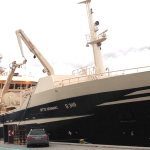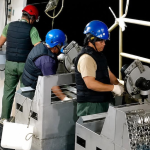
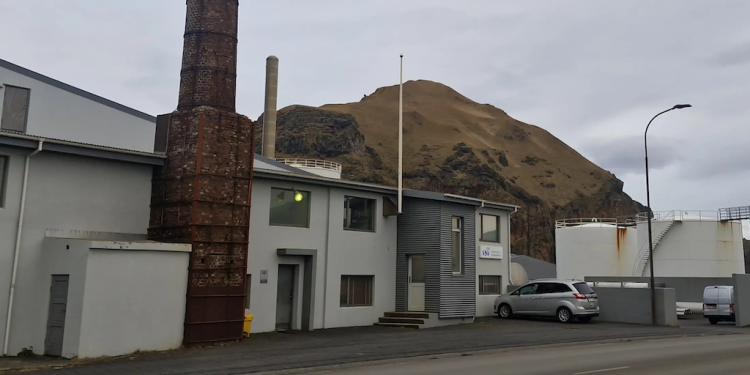





The operating basis of the fishmeal plant operated in the Westman Islands by Vinnslustöðin has been affected by rising electricity costs, forcing a switch back to burning oil to power production, with an accompanying increase in emissions.
The plant has been run since 2002 on a mixture of electricity and oil, and the company has put significant investment into uprating production to run on electricity. This was previously the more economic option, but is now substantially more expensive than oil.
‘The intention was always to go al the way in switching the plant to electrical power. That would be a 12-15mW, instead of the 5-8mW we have been buying up to now,’ said factory manager Unnar Hólm Ólafsson.
‘This is serious. We have made extensive investments with the aim of switching to electricity, but now the situation is that we can’t make use of this.’
He commented that electricity costs have increased by 100% since 2023. This is down to a switch to a guaranteed supply, and variable delivery costs from month to month. As a result, costs are higher, and with lower visibility in terms of price fluctuation. These new prices are related to new tariffs due to more secure power delivery to the Westman Islands, the installation of a new cable measures to secure the south of Iceland’s energy grid.
‘In real terms we are looking at power delivery being 500% more expensive than previously. The overall difference between electrical and oil is such that we have no choice but to burn oil,’ he said, commenting that at full output, the fishmeal plant uses 20-30,000 litres of oil per 24 hours, and with an emissions level 10 to 15 times greater than when running on electricity.
‘From a factory manager’s point of view, it’s a lousy situation. We are left with investments we can’t utilise, and are looking at investing still further in oil systems. This is entirely opposite to the energy and environmental policies we have developed,’ Unnar Hólm Ólafsson said.
‘What hurts is that oil is an imported product, while electricity is something we produce here in Iceland. There’s something wrong with the way this is priced.’