


The current arrangements for reciprocal access between Iceland and the Faroe Islands have been rolled over up to 1st August this year, with the option of a further extension to the end of the year.
In the meantime, the two intend to re-examine exchanges of fishing opportunities for 2027 and beyond, in addition to a wider cooperation extending to the effects of climate change on fisheries, monitoring, specialist collaboration, and more.
The current framework arrangement goes back to 2020, and this stipulates that it must be renegotiated annually.
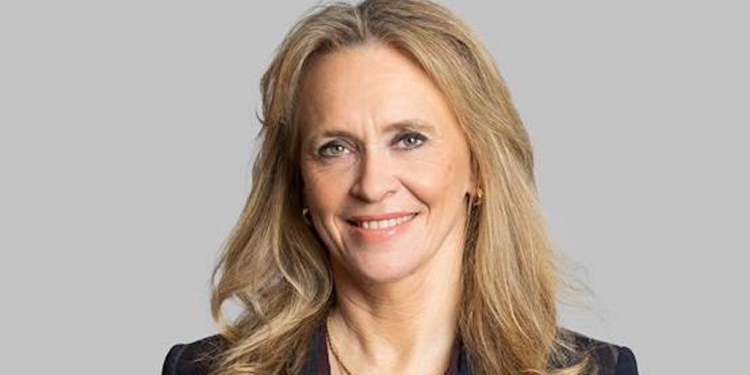
‘Fisheries are naturally highly important for the economies of Iceland and the Faroe Islands, and our cooperation has been both long and successful, as well as demanding,’ said Iceland’s Minister of Foreign Affairs Thorgerður Katrín Gunnarsdóttir.
‘Now a timely and important step has been taken towards continuing this cooperation on an equal footing to establish a new arragment for the future.’
Current arrangements allow reciprocal for Atlanto-Scandian herring and blue whiting, unchanged to 1st August. Up to fifteen Icelandic vessels can operate at any one time in Faroese waters. These vessels can also catch up to 1300 tonnes of mackerel.
The Faroese fleet has continued access to 5400 tonnes of groundfish in Icelandic waters, with a cod catch limited to 2400 tonnes. The Faroes also have access to up to 5% of the capelin TAC for the 2025-26 season, but capped at 30,000 tonnes.