




Representatives of the European blue economy value chain have highlighted at a meeting with Commissioner Costas Kadis that energy transition will not be achievable without strong public support and clear policy signals.
The industry representatives stress that EU rules limiting the possibility to increase spaces on board are incompatible with modern, cleaner propulsion systems and innovative vessel designs. These constraints not only hinder the deployment of hybrid, electric and alternative fuel technologies – which often require additional space on board – but also prevent improvements in safety and well-being for crews, ultimately undermining the attractiveness of the sector for young workers.
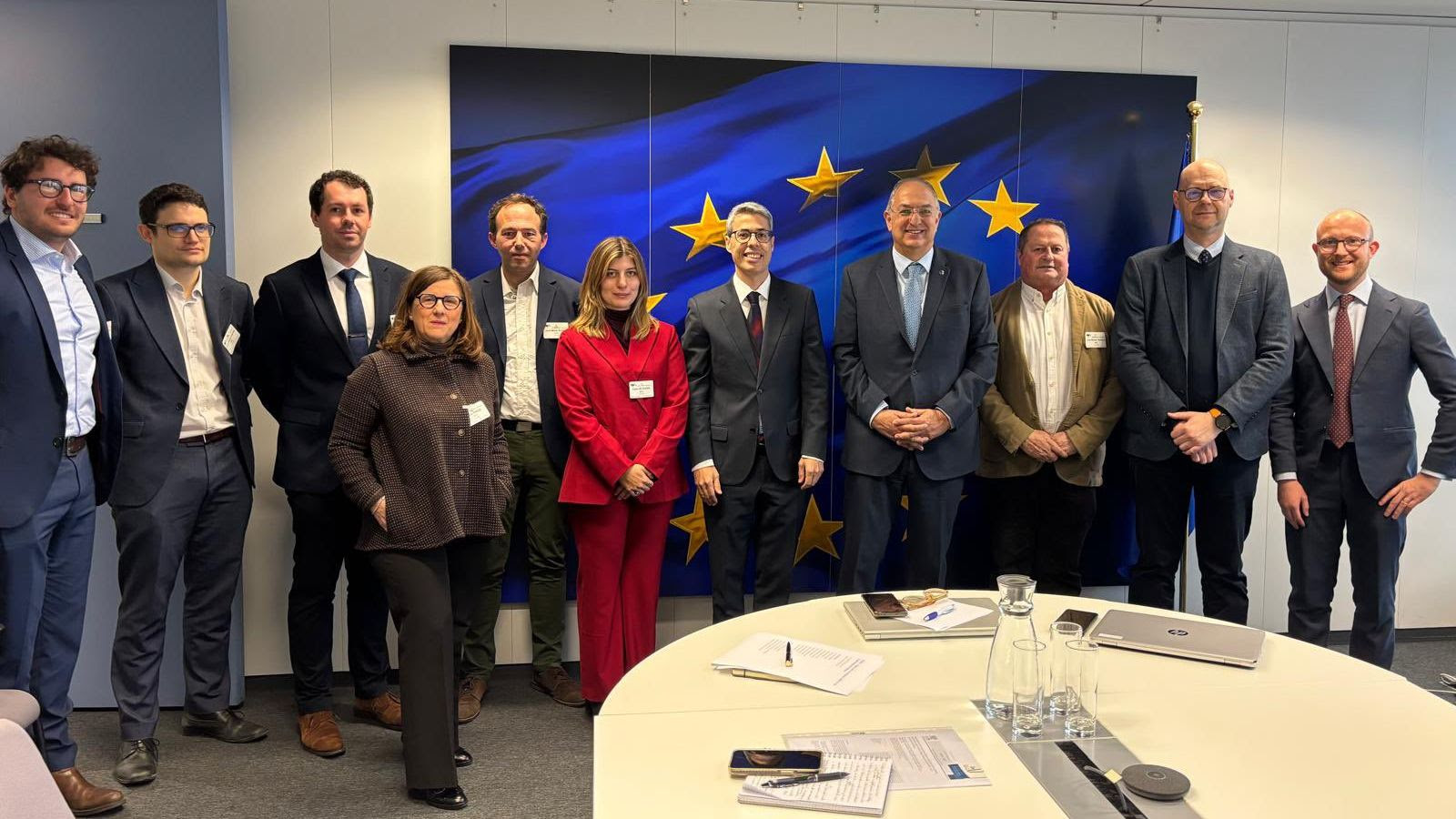
The meeting to discuss the forthcoming Roadmap for the Energy Transition of Fisheries brought together SEA Europe, Europêche, Copa-Cogeca, the European Transport Workers’ Federation (ETF) and the European Association of Fish Producers’ Organisations (EAPO), representing fishers and aquaculture producers, producers’ organisations, cooperatives, workers, shipyards and maritime equipment manufacturers.
The organisations reiterated that current funding frameworks remain insufficient in scale and overly restrictive, rendering many necessary investments either ineligible or financially unviable. They want to see a revision of EU funding rules, the establishment of a fleet renewal plan, enabling funding for the withdrawal of obsolete vessels and the creation of dedicated financing pipelines combining EU and national funds with public guarantees to effectively de-risk private investment in the aquaculture and fisheries sectors.
‘The transition to new technologies requires investment in training, safety and working conditions, as well as closer cooperation across the value chain,’ industry representatives state, pointing out the need for structured dialogue between fisheries, shipyards, investors and research partners, and for fisheries and aquaculture to be fully integrated into broader EU maritime and transport energy strategies.
Stakeholders concluded with a unified message that the energy transition of fisheries must move from ambition to implementation.
‘This requires urgent removal of regulatory bottlenecks, without waiting for a full reform of the Common Fisheries Policy. It also demands simplified access to adequate EU funding for energy transition investments and fleet retrofit, underpinned by a stable, long-term policy framework capable of restoring investor confidence and accelerating deployment on the ground,’ they state.
The organisations welcomed Commissioner Kadis’ commitment to work closely with the sector and to deliver a roadmap that stimulates a competitive, sustainable and socially responsible blue economy.