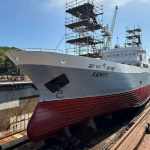
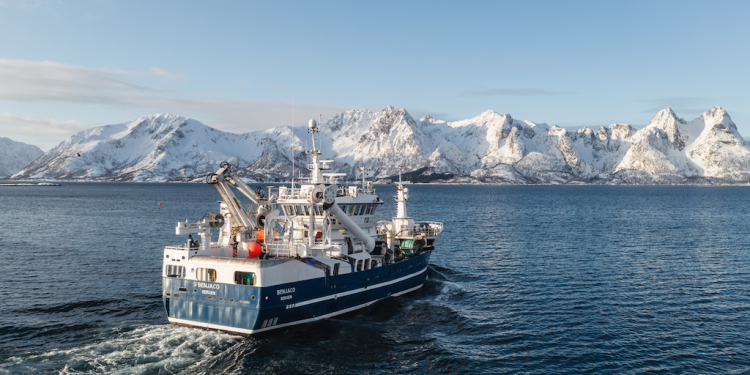



Researchers at the Norwegian Marine Research Institute have developed a concept outline for how sonar data from fishing vessels can be transferred to the cloud and used more effectively in fish identification and fisheries research.
The results of this FHF-funded project indicate that further development should be based on scalable systems for automatic data flow, species classification and rapid access to data for both industry and research.
Key findings are that further work could be divided into on-board systems for data flow and classification and also for data access and decision support.
The project recommends prioritising sonar data from manned vessels first, while USVs should be able to be connected later when the technology is more mature, while the fast, automatic transfer of sonar data, with good data quality and standardised metadata, is considered crucial for its usefulness.
The project concludes that further efforts should be divided into two main components – one concerning on-board functionalist, collection of sonar data, automatic interpretation and transfer to the cloud. The other related to how data should be downloaded, standardised and presented to be used for decision-making support in fish management and stock advice.
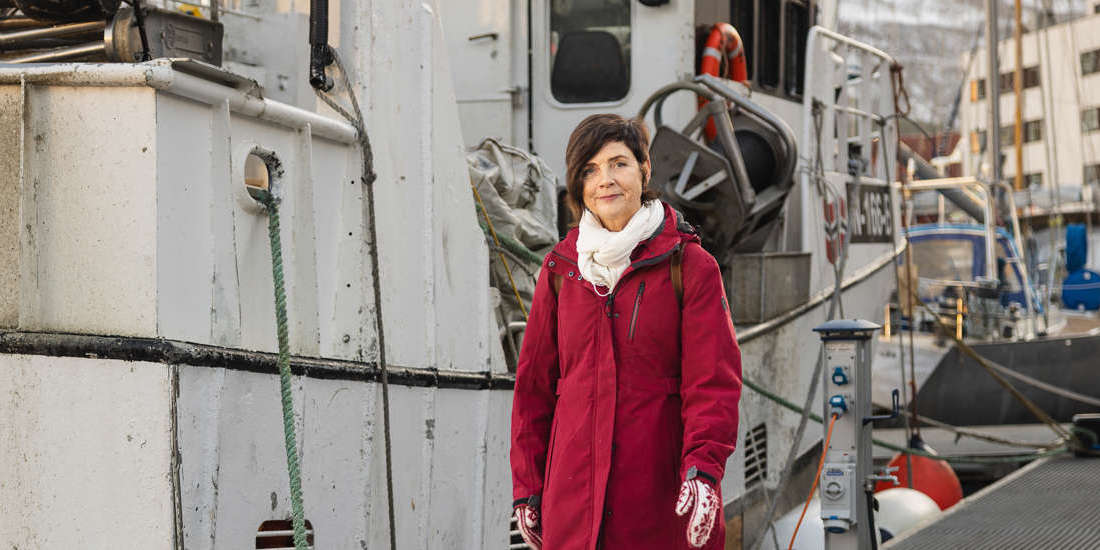
‘The project provides a more precise basis for how further work should be organised, so that data from vessels can be more easily used both in the industry and in research,’ said FHF’s Rita Naustvik.
Although the project began with a focus on unmanned surface vessels, the conclusion is that the first project should focus more on sonar data from fishing vessels. At the same time, the report emphasises that future functionality must be built so that USVs can also be easily integrated later.
The reason is that the technology for data flow, communication and automatic interpretation must be robust and scalable across vessel types. This allows a system to be built that works in practice now, without locking the development for later use of new platforms. The report points out that automatic data transfer to the cloud should be a basic requirement.
‘If such data is to have high value in reality, it must be available quickly and with known quality,’ Rita Naustvik said.
An important aspect of the concept is that the data should be usable in near-real time. This could support fish identification, provide a better basis for mapping, and at the same time support population monitoring and method development.
The report also recommends the use of international data and metadata formats, as well as cost-benefit analyses and clearer assessments of which services should be open and which may require more advanced infrastructure.
The project provides a concrete framework for how sonar data from vessels can be utilised better than today. For the industry, this can contribute to more efficient fish tracking and better access to updated information. For research and management, it can provide a better data basis for population monitoring, advice and further method development.
‘A strategic focus on this subject could lead to industry and authorities working together to come up with a system that ensures the fleet’s contribution to stock monitoring,’ Rita Naustvik commented.