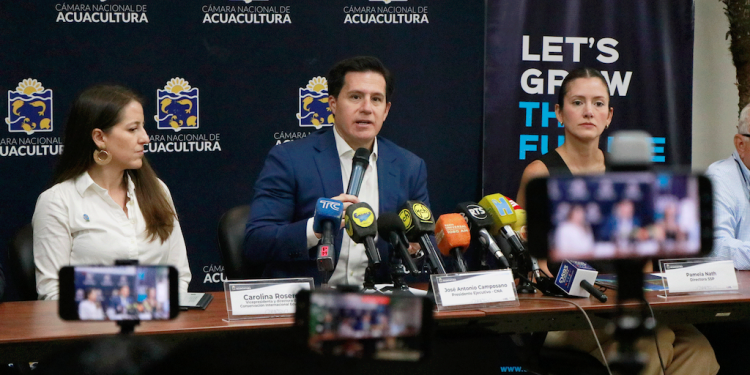





The Ecuadorian shrimp industry, through the National Chamber of Aquaculture (CNA) and the Sustainable Shrimp Partnership (SSP), has formalised an alliance with Conservation International Ecuador (CI-Ecuador) to strengthen mangrove conservation and restoration efforts, promote sustainable shrimp aquaculture, and contribute to the climate resilience of Ecuador’s coastal ecosystems and communities.
Through this agreement, the organisations aim to establish a framework for collaboration and implement joint actions under the Mangroves for Climate initiative.
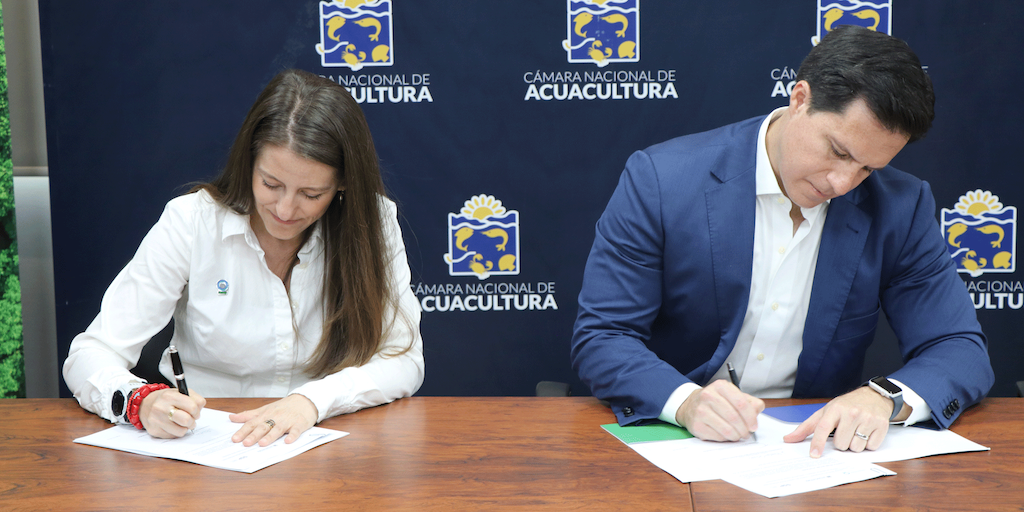
‘This agreement establishes a framework for collaboration to advance joint actions in coastal and marine territories, with a focus on the conservation, restoration, and sustainable management of mangrove ecosystems – critical natural assets for climate change mitigation and adaptation, biodiversity conservation, and the livelihoods of coastal communities,‘ said Carolina Rosero, VP and Executive Director of CI-Ecuador.
By 2030, the partnership aims to restore 250 hectares of mangroves within shrimp farming landscapes, contributing to the reduction of an estimated 112,870 tonnes of CO₂ emissions, while promoting the adoption of certified production practices across 20,000 hectares of shrimp farms.
‘Mangroves are not only essential for biodiversity; they are also part of the environmental balance that supports productive activities in coastal areas,’ said José Camposano, Executive President of the National Chamber of Aquaculture.
‘As an industry, we have embraced our responsibility to protect these ecosystems and recognize that doing so is an investment in the long-term sustainability and resilience of our sector.’
This agreement builds upon the commitment made by Ecuador’s shrimp sector in 2022 to maintain ecosystem conversion-free aquaculture and reinforces ongoing industry efforts to protect and restore mangrove ecosystems. These efforts include generating scientific information to support mangrove monitoring, implementing pilot restoration projects in collaboration with coastal communities and private-sector partners, and advancing initiatives that strengthen the environmental sustainability of shrimp production.
‘Sustainable shrimp aquaculture requires understanding how production systems interact with surrounding ecosystems and continuously working to improve environmental performance. Strengthening ecosystem resilience and promoting responsible production practices are essential to ensuring the long-term sustainability of the sector,’ said SSP director Pamela Nath.