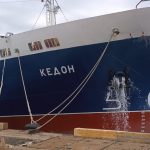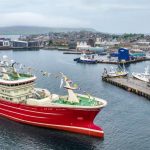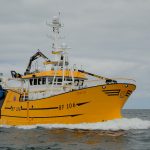



With the new year almost here, the Faroe Islands and Russia have completed negotiations that took place either side of Christmas, to strike a fisheries agreement for 2026 – with reduced quotas on both sides and a number of restrictions in place.
The agreement provides the Faroese fleet with access to Barents Sea demersal stocks for another year, with a reduced quota for cod and an increased haddock quota. The Faroes get 6306 tonnes of cod, 1484 tonnes of haddock, 900 tonnes of flatfish species and 4000 tonnes of shrimp in Russian waters.
Faroese Minister of Fisheries, Industry and Trade Eirikur í Jákupsstovu commented that he’s satisfied that an agreement has been reached – despite these difficult times – providing Faroese fishermen with good opportunities for groundfish in the Barents Sea.
There are also changes to the Russian fleet’s quotas in the Faroese zone, with the mackerel quota reduced to 4201 tonnes and blue whiting down to 65,000 tonnes, plus Russian vessels can fish up to 30,950 tonnes of the blue whiting quota they hold for international waters inside the Faroese EEZ. The Russian herring quota is increased to 1914 tonnes.
As of 1st January, the Faroe Islands will apply sanctions to two Russian fishing companies already subject to measures by other western nations, and vessels belonging to these two companies will not be issued with licences to fish in Faroese waters or be allowed access to Faroese ports.