



A seven-strong delegation from the European Parliament is in Greenland this week to assess the impact of the EU-Greenland Sustainable Fisheries Partnership Agreement.
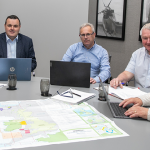
The seven members of the EU Parliament’s Committee on Fisheries will be in Greenland started by meeting the Minister of Fisheries and representatives from Greenland’s fisheries control agency, before heading to Greenland’s Parliament (Inatsisartut) for a discussion with the Inatsisartut Fisheries, Hunting and Agriculture Committee.

‘I am looking forward to our mission to Greenland, an important partner for the EU. It is vital to understand the daily realities of fishers and local communities,’ said Sander Smit, vice-chair of the Committee on Fisheries.
‘I welcome the opportunity to engage with the Greenlandic Minister of Fisheries, the Mayor of Ilulissat, stakeholders, and the Inatsisartut Committee on how we can strengthen our cooperation under the EU-Greenland Sustainable Fisheries Partnership Agreement (SFPA), supporting sustainable fisheries management amid today’s complex geopolitical, economic and food security challenges.’
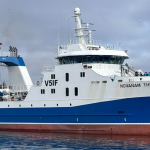
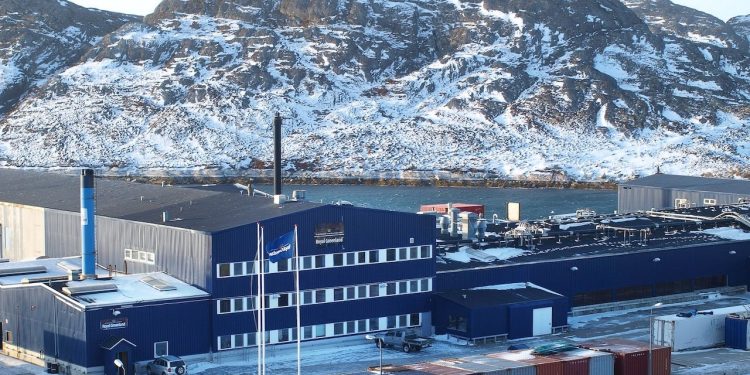
The visit takes in a meeting with a representative of the Greenland Institute of Natural Resources and opportunities to acquaint themselves with the working methods of local fishermen. MEPs are visiting fishing and processing group Royal Greenland Trawler in Nuuk and the Halibut Greenland fishermen‘s cooperative, followed by spending time on the water to get to see the realities of arctic fishing in Ilulissat.
The last day includes meetings with fishers’ representatives, including the Greenland’s Fishermen and Hunters Association, the national organisation for fishers of shellfish and other fish species, and fishing company Polar Seafood.
The fisheries agreement with Greenland is the EU’s second largest and worth over €17 million. The agreement contributes significantly to Greenland’s economy, representing a major source of revenue and employment. In July, the European Parliament gave its consent to the new protocol (2025-2030) for the agreement’s implementation.