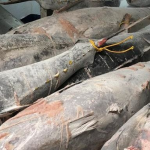
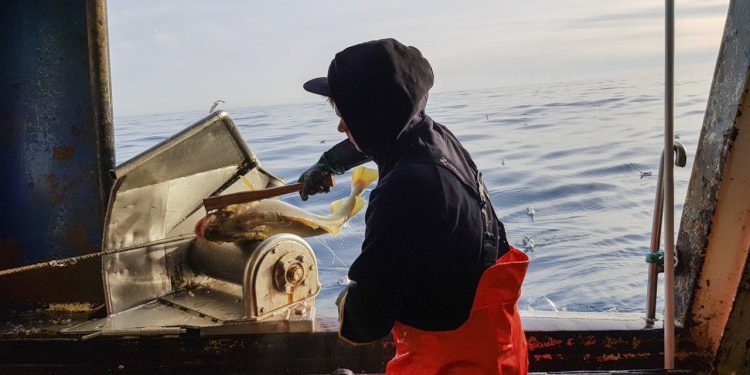




Ever since a Norwegian longliner found cod in waters around Jan Mayen, researchers have been working on identifying the origins of the island’s cod stock, and have concluded that enough cod larvae can be retained in the area for the island to have its own cod population.
Genetic analyses and otoliths indicate mixed origins. While Jan Mayen cod have roots in both Iceland and the Barents Sea this remains genetically different from both populations and scientists have investigated whether it is possible that the Jan Mayen cod could be a separate population. The shelf off Jan Mayen has recently been identified as a spawning ground for cod.
‘If this cod is to be a self-recruiting population, it is required that some of the individuals that are spawned near the island also stay in the area – that they are not scattered to all winds,’ said researcher Bjarte Bogstad at the Norwegian Institute of Marine Research.
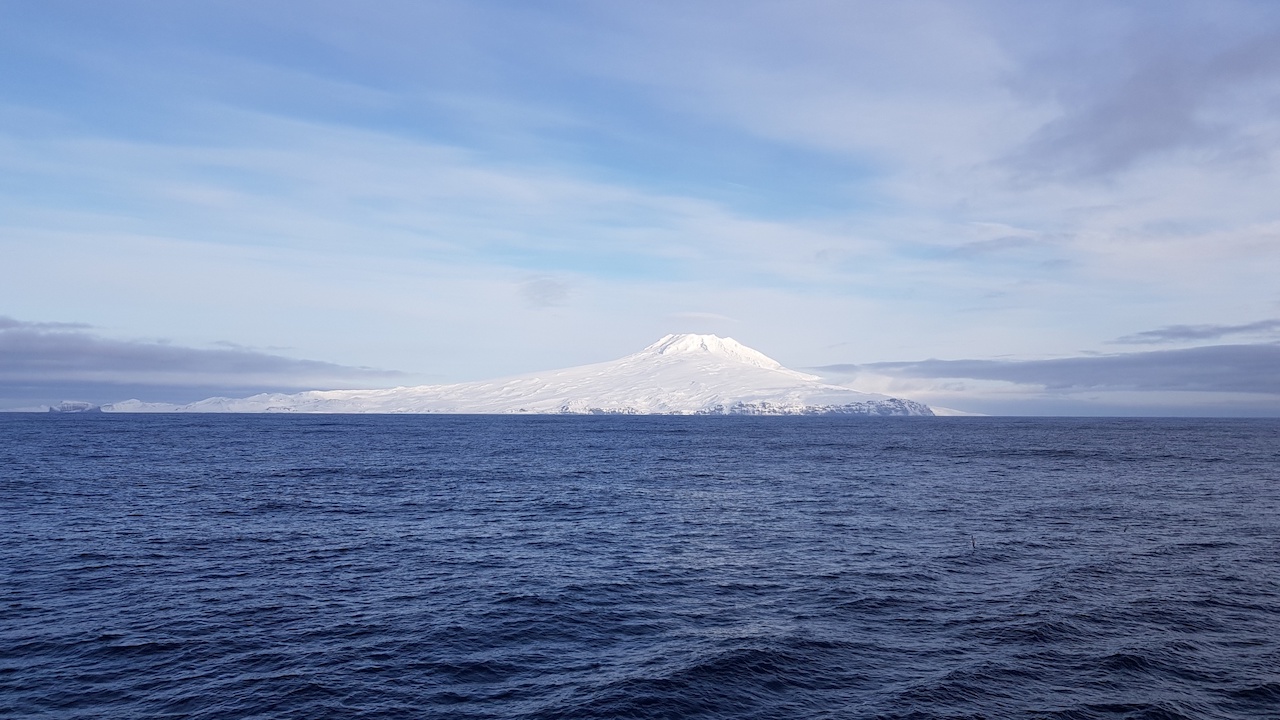
This is actually possible to calculate, and this is where oceanographer Håvard G. Frøysa comes in. He has simulated the drift of these cod eggs and larvae – from their origins around the volcanic island until the fry settle on the bottom.
Using an advanced oceanographic model, he has investigated the drift paths of cod eggs and larvae in the years 2001 to 2020 – year classes that correspond to fishery data from survey cruises at the island.
‘We have simulated the spawning behaviour of cod in the model. Individuals are released at different times and in different places, which we have estimated from the catch data we have from our survey trips,’ Håvard Frøysa explianed.
At Jan Mayen, cod spawn a little later in the year and each individual develops a little more slowly, as the water temperature is slightly lower than in the Barents Sea. Eggs float around for a little over a month before hatching, and the larvae remain pelagic for a few months. But when the fry are approaching six months old, it is time to settle down.
‘If these larvae are still in their home range, and in an area where it is shallow enough for them to settle, in October to November, we count them as “retained”,’ he said.
The results show that there are large variations from year to year. Some years, hardly any are left around Jan Mayen before they hit the bottom. Results show that cod eggs and larvae carried from their home areas are largely carried south-west towards East Greenland.
‘But other years, more than 20% of the larvae may remain, so that the Jan Mayen area “retains” them,’ he said.
Cod are fertile and mortality varies greatly for eggs and larvae, so a population can maintain itself, even if a few larvae remain around the island from one year to the next.
‘Our findings indicate that there is potential for a separate population,’ Håvard Frøysa said, adding that more and different types of research are needed to get a final answer.
If the Jan Mayen cod is a separate stock, it could have consequences for the recommended management in the area.