






Companies within Iceland’s seafood industry technology sector are warning against the government’s plans to adjust the recource levy. The move was announced recently, with the plans for changes to the levy that would increase costs for fishing companies and increase state revenue.
The directors of a group of companies at the centre of the country’s technology sector have warned of their concerns that the planned Parliamentary bill could have serious consequences for the operational basis of these companies.
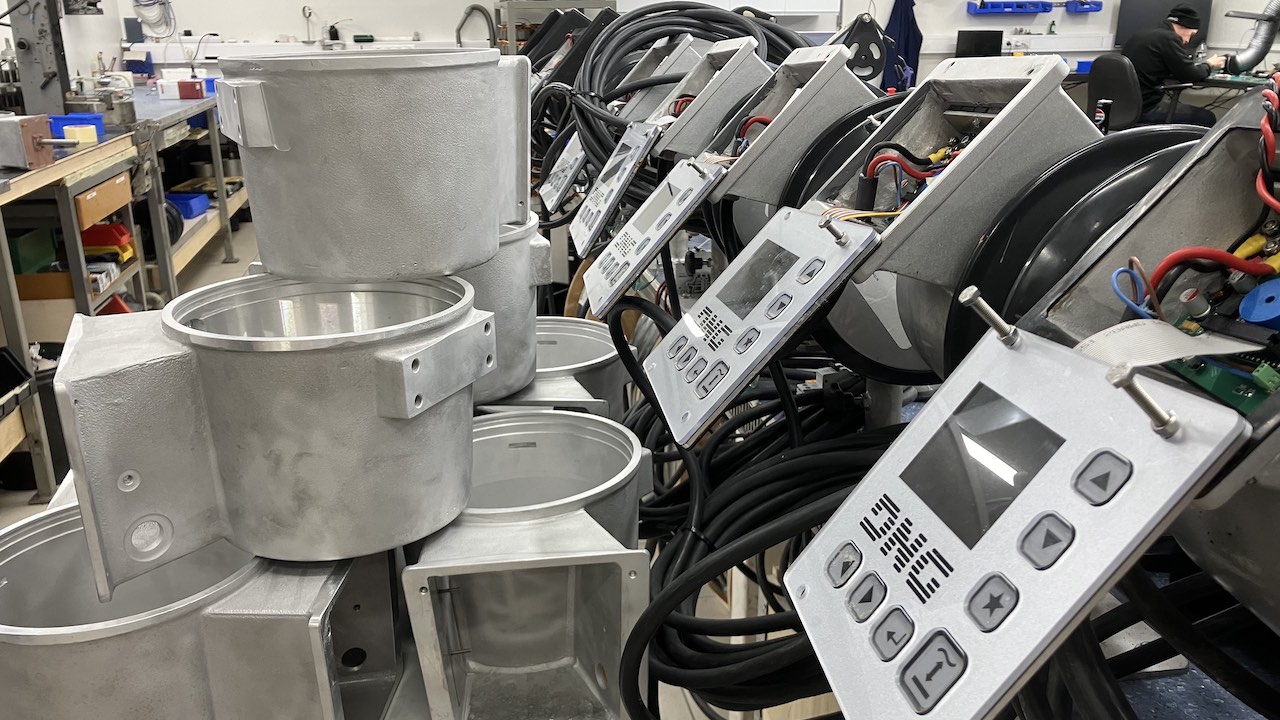
They state that Iceland has a booming technology and innovation sector devoted specifically to seafood and fisheries, and this has been the basis of the industry’s substantial value creation in recent years, as well as having provided Icelandic seafood producers with a highly competitive market position.
‘These companies are world leaders, thanks to their close co-operation with Icelandic seafood producers, developing systems that are subsequently in demand around the world, consequently generating even greater export earnings and a variety of employment opportunities in servicing and development around the country,’ the group’s representative states.
‘We call on the government to take a closer look at the effects on the industry of these proposed changes, and the effects on value creation and future investment, potential effects on employment in the seafood sector in companies such as those we run, and the overall picture in terms of tax revenue.’
The open letter to the Icelandic government is signed by the directors of KAPP, Micro, Ístækni, Samey Robotics, KAPP Skaginn, Slippurinn DNG and Vélfag.
They state that the government could instead focus its efforts on measures to support seafood production and tech development, providing incentives to invest in technology capable of raising yield, quality and efficiency levels to lift the value of landings and to mininise the catch volumes that are exported unprocessed.
‘Today most tech companies make full use of the tax incentives offered for development, and these have been successful in supporting innovation, but such measures would primarily be focused on processors to cope with a higher resource levy and to prevent jobs and expertise leaving the country,’ they state, adding that they are prepared to provide all the data needed and to make the necessary efforts to ensure that a solution can be found.