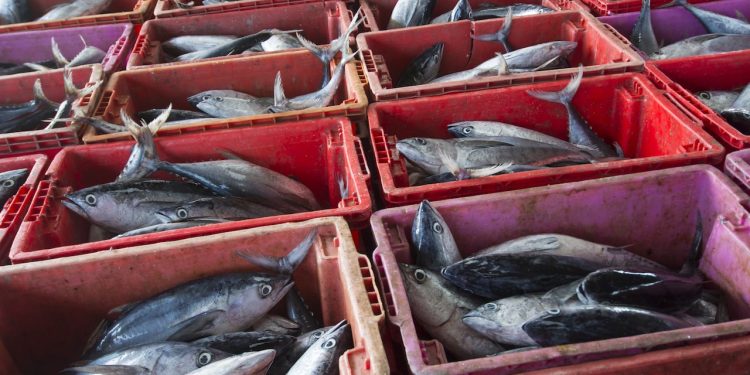




The European Commission is kicking off a week of negotiations on the draft free trade agreement (FTA) between the European Union and Thailand. This highlights one of the paradoxes of the EU, demanding high standards for its own producers – but failing to apply these to imports.
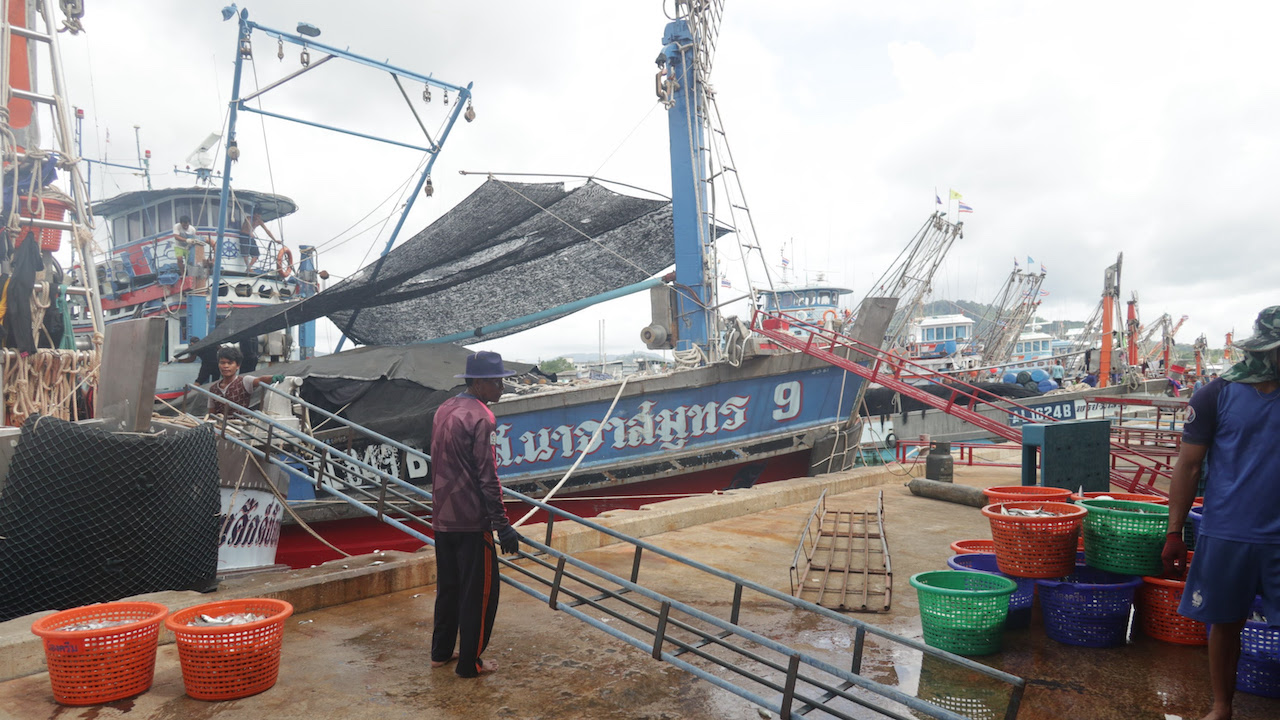
This programme is the reason for considerable concern within the European tuna sector, and European industry body Europêche wants to see tuna products excluded from this agreement with Thailand, as this could seriously destabilise the European tuna sector.
Thailand is the world’s largest producer and exporter of tuna, with an annual production of about 470,000 tonnes of canned and prepared tuna.
Currently, an average of 10,000 tonnes are exported to the EU each year, subject to a 24% tariff.
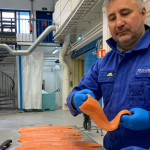
European producers consider that this tariff being withdrawn would lead to a massive influx of imports, given the considerable export potential of the Thai sector. There would be immediate effects on the the European sector, especially tuna fleets, faced with increased and unfair competition, plus an influx of poor-quality of products can be expected to land on supermarkets, produced under lower social, environmental and control standards.
According to Europêche, this demonstrates one of the EU’s ongoing paradoxes, as Brussels seeks to impose increasingly restrictive regulations on its own companies, while simultaneously allowing imports of products that fall far short of these same standards. Europêche is calling on the European Union to exclude tuna products from the draft free trade agreement with Thailand and maintain a strict rules of origin requirement.
‘Under current regulations, the EU cannot block low-standard tuna entering EU market – but it must not let it in duty-free,’ said Europêche Tuna Group director Anne-France Mattlet, stating that such a move would support the European tuna sector and guarantee a level playing field.
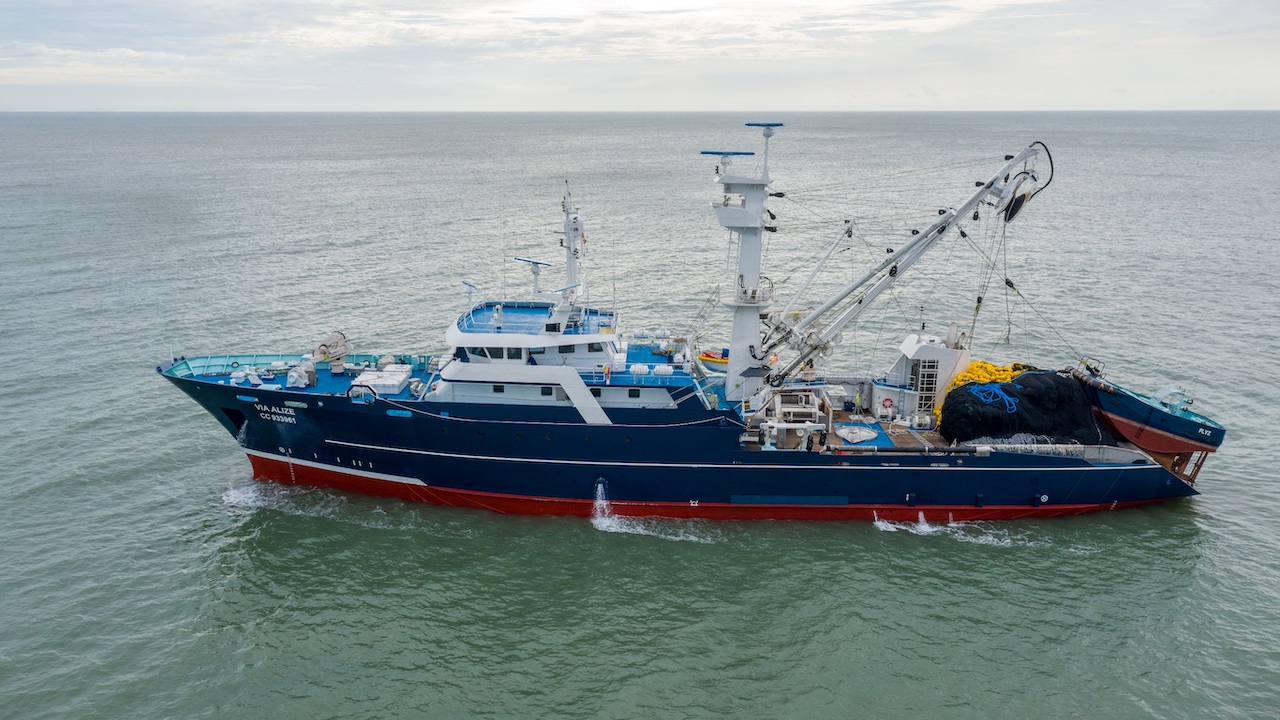
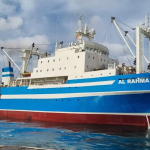
In this ultra-competitive global market, the European fleet of tuna purse seiners is recognised as a model of sustainability and responsibility. This is a fleet that works to strict quotas, is monitored 24/7 by VMS, has 100% observer coverage and applies stringent control, monitoring and control regulation. European tuna operators are also certified by MSC label, as well as to AENOR (APR) and AFNOR standards.
All of this makes this in the most expensive tuna fleet to run in the world, and significant challenges have already resulted in the recent shutdowns in 2024 of two companies, Via Océan (formerly Saupiquet) and Nicra 7. These companies have to compete in international waters and markets with non-EU fleets that do not respect the same standards, or even engage in IUU fishing.
‘Tuna loins and cans processed in Thailand from low-standard Asian fisheries pose a direct threat to sustainable European fleets, which face higher costs due to their rigorous control, social, and environmental standards,’ said Europêche Tuna Group president Xavier Leduc.
‘A Free Trade Agreement with Thailand allowing duty-free tuna products into the EU would only deepen the existing imbalance, further disadvantaging European fleets and undermining fair competition.
The Europêche Tuna Group points out that the Thai processing industry imports whole tuna from countries with opaque practices in terms of sustainability and sanitary compliance, while Thailand has failed to implement International Labour Organisation’s Convention 188, major international conventions on human rights and work at sea, and to ratify major other ones, and the European Commission’s latest audit in 2023 highlighted persistent flaws in health and food safety, revealing its inability to ensure standards that comply with European requirements.