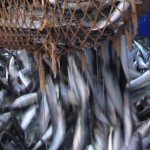






While accepting that the situation facing the industry is down to the ongoing failure of Coastal States to agree on sustainable fisheries management, the European Fish Processors and Traders Association (AIPCE.CEP) warns of severe economic and market consequences of the proposed 70% reduction in the North-East Atlantic mackerel quota.
AIPCE is not challenging the scientific basis for the ICES advice, but states that immediate and decisive action in needed to address the root cause of this crisis: the lack of a political agreement.
‘Our industry is facing a crisis created by political inaction,’ said Guus Pastoor, chair of the AIPCE board, stressing that the resulting market downturn will have a severe effect on companies and consumers across Europe.
‘We support the EU’s efforts, as current chair of the consultations, to work towards a comprehensive and sustainable long-term agreement. We urge all coastal states to reject unilateral actions, commit to the negotiation process, and finally take responsibility for a sustainable outcome. Failure is no longer an option.’
The repercussions for the European seafood sector will be immediate and severe, according to APICE, starting with the industry’s viability. A reduction on this scale threatens the viability of numerous processing businesses, particularly medium-sized plants in countries such as Poland, where mackerel is the second most important fish species. Companies specialising in products such as smoked mackerel in the Netherlands face the loss of tens of millions of euros in turnover.
Further effects include market instability and consumer impact as a drastic reduction in supply will lead to a very high rise in prices.
‘Major retailers in some European countries have already announced they will remove mackerel from their shelves due to pressure from NGOs, further destabilising the market,’ APICE states.
Reputational damage is an additional consideration, and there is significant concern that this situation will damage consumer confidence in seafood sustainability as a whole, creating the false perception that all fish stocks are being mismanaged.
AIPCE.CEP is requesting that authorities support the market by clearly communicating that any mackerel legally caught by EU vessels under the established quota is a responsible choice and should be bought and sold without hesitation. The association further calls on the Commission to help facilitate access to alternative sources from global markets.
‘The processing industry is committed to sustainability and will continue to supply the market with legal and responsibly sourced products,’ APICE states.
‘This drastic measure is the unfortunate but necessary consequence of years of over-catching, which has occurred because coastal states have not yet reached a consensus on a joint management plan. The EU has made significant efforts to respect and adhere to traditional quota arrangements, but a collective framework is essential for long-term sustainability.’