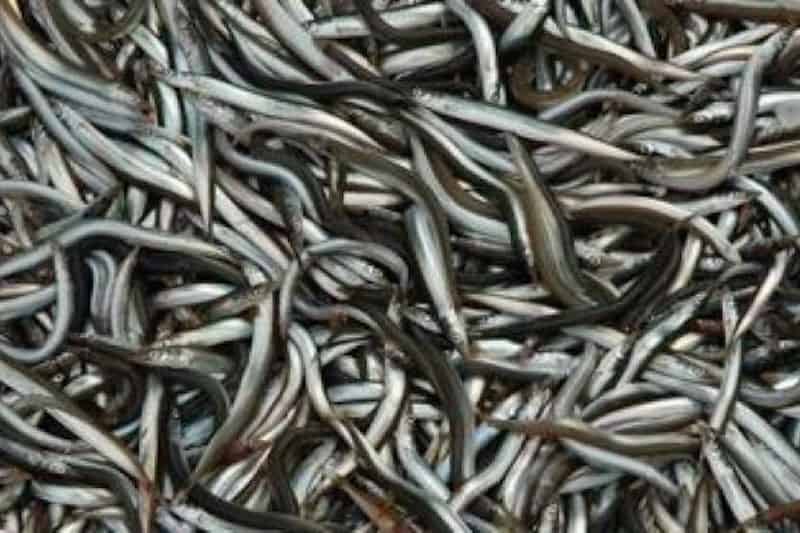
Strong Norwegian sandeel stock
The 2016 sandeel class is the largest observed since 2005. In addition, the stock has been relatively for the last three years, according to Norway’s Institute of Marine Research.

The 2016 sandeel class is the largest observed since 2005. In addition, the stock has been relatively for the last three years, according to Norway’s Institute of Marine Research.
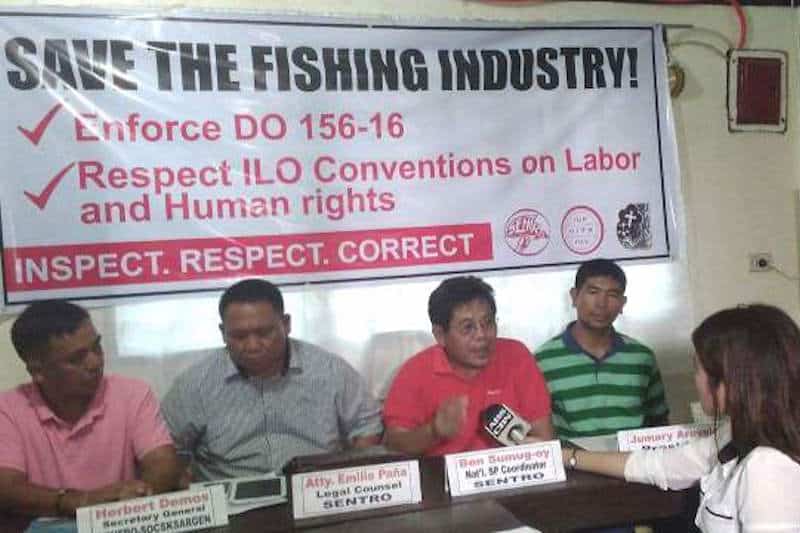
Representatives of the Citra Mina Workers Union and their national centre SENTRO have called on the seafood industry employers' association SFFAII to take stock of the potential consequences of growing international concern over the industry's ongoing failure to respect international standards.
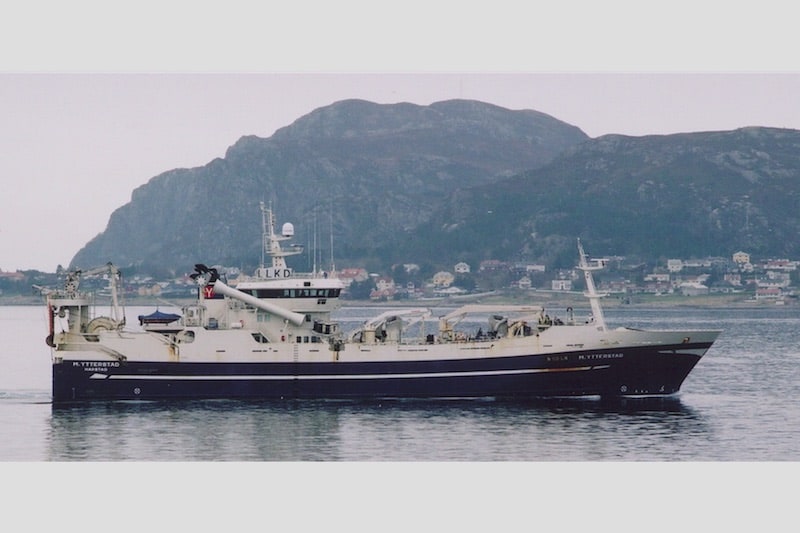
Icelandic fishing company Eskja has sold its pelagic factory vessel to new owners in Greenland as part of its restructuring towards shore-based processing.
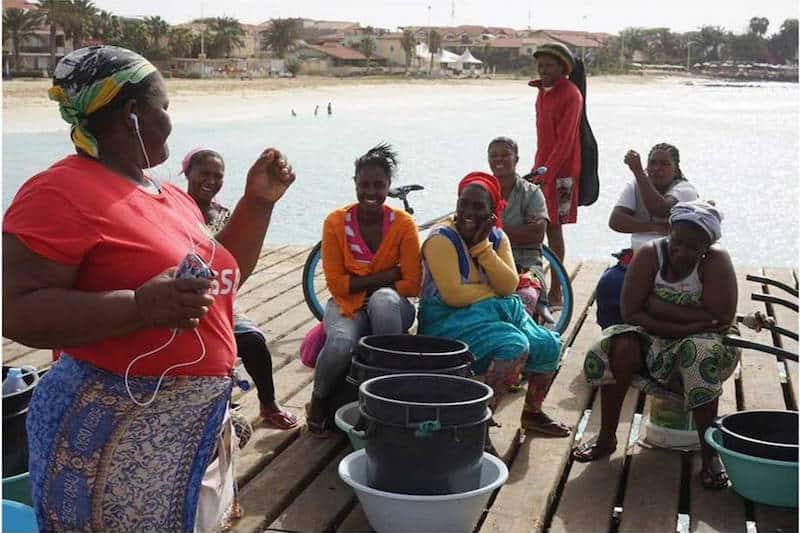
Mindelo in Cabo Verde was earlier this month the centre of the debate over promotion of Blue Growth policies and investment strategies across Africa.

University of Cape Town graduate Fisokuhle Mbatha has joined the South African Deep-Sea Trawling Industry Association (SADSTIA) for a year-long internship, working closely with secretary Johann Augustyn to gain as much knowledge of industry and its management as she can.
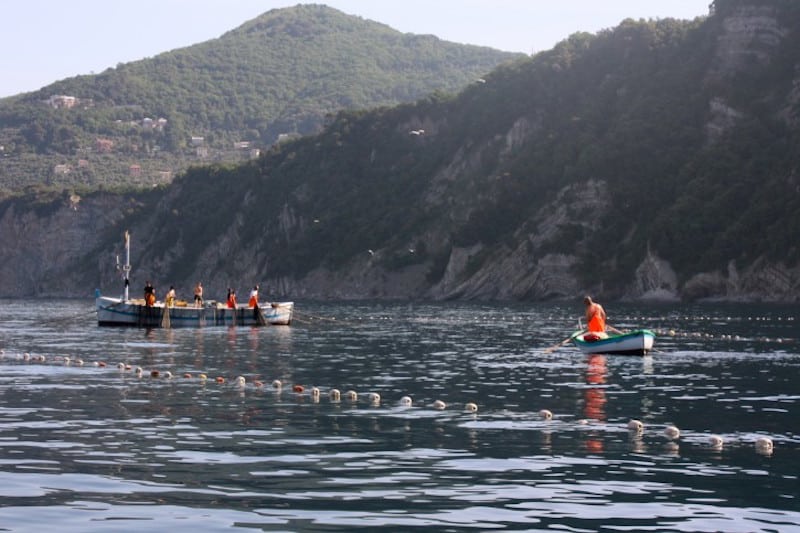
The two kilometre long, 40 metre deep tonnarella fishery, dating back to the 17th century and unique to the fishing port of Camogli in north-western Italy, has been severely damaged, putting it out of action for this year’s fishing season.
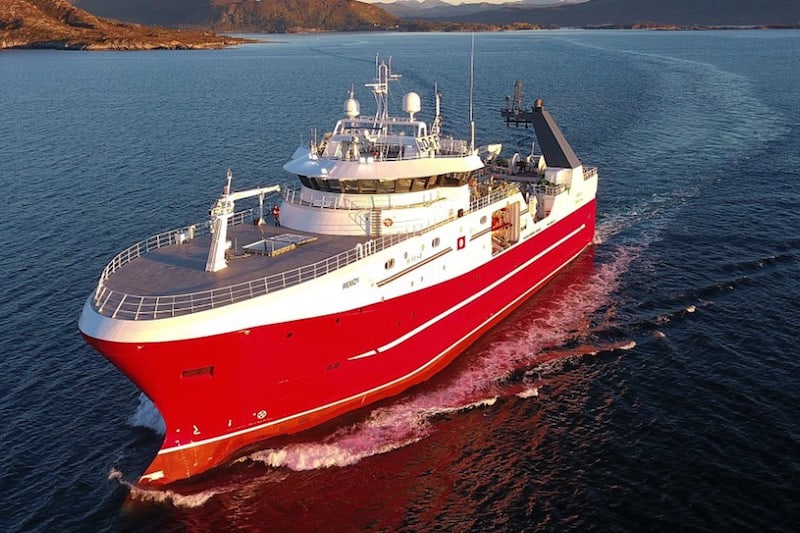
A Norwegian shrimp is currently at anchor in Murmansk after being escorted there by Russian Coastguards following a routine inspection at sea last week.
On Wednesday this week (10th May) European social partners on sea-fisheries signed a resolution inviting the European Union (EU) to take up its responsibility and end forced labour practices in EU waters.
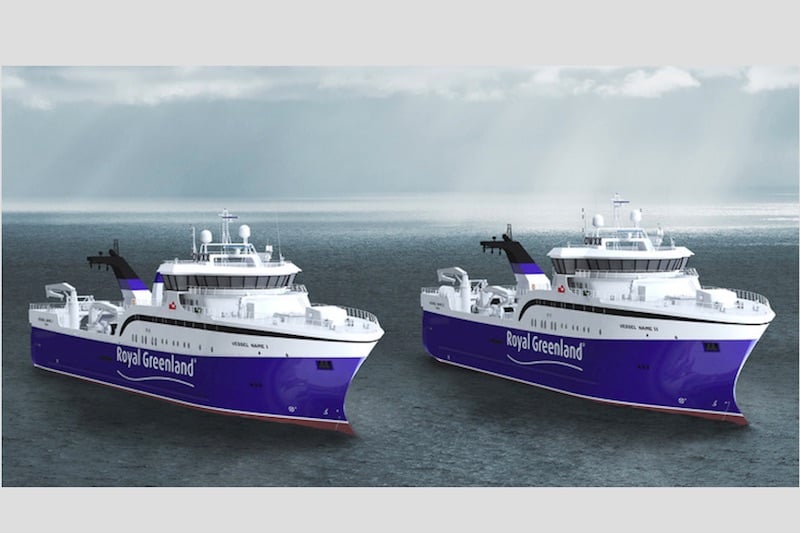
Danish company Carsoe specialises in fish processing systems and has seen its share of the market expand significantly, having tendered successfully for six out of seven contracts for shrimp trawlers since 2015.
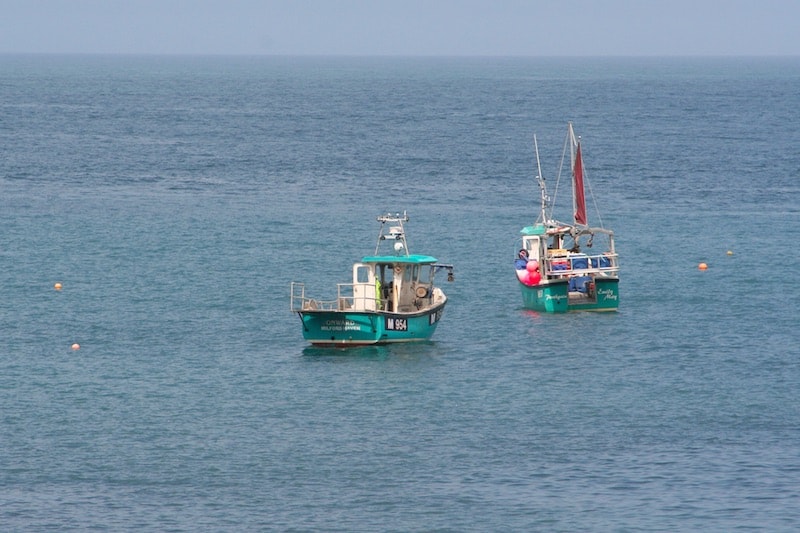
If your work brings you into contact with Marine Protected Areas, do you see them as positive in providing benefits or negative in limiting what you can do? Do they support or restrict your business or other activities, and how do they contribute to the blue economy?