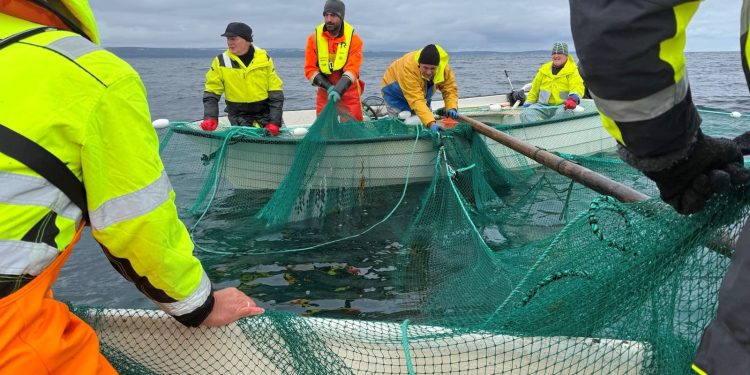





Norwegian fishermen and scientists have seen positive results from an experimental fishery for pink salmon. This invasive species has been fished with a variety of methods, deminstrating that it can be targeted commecially without endangering native salmon stocks.
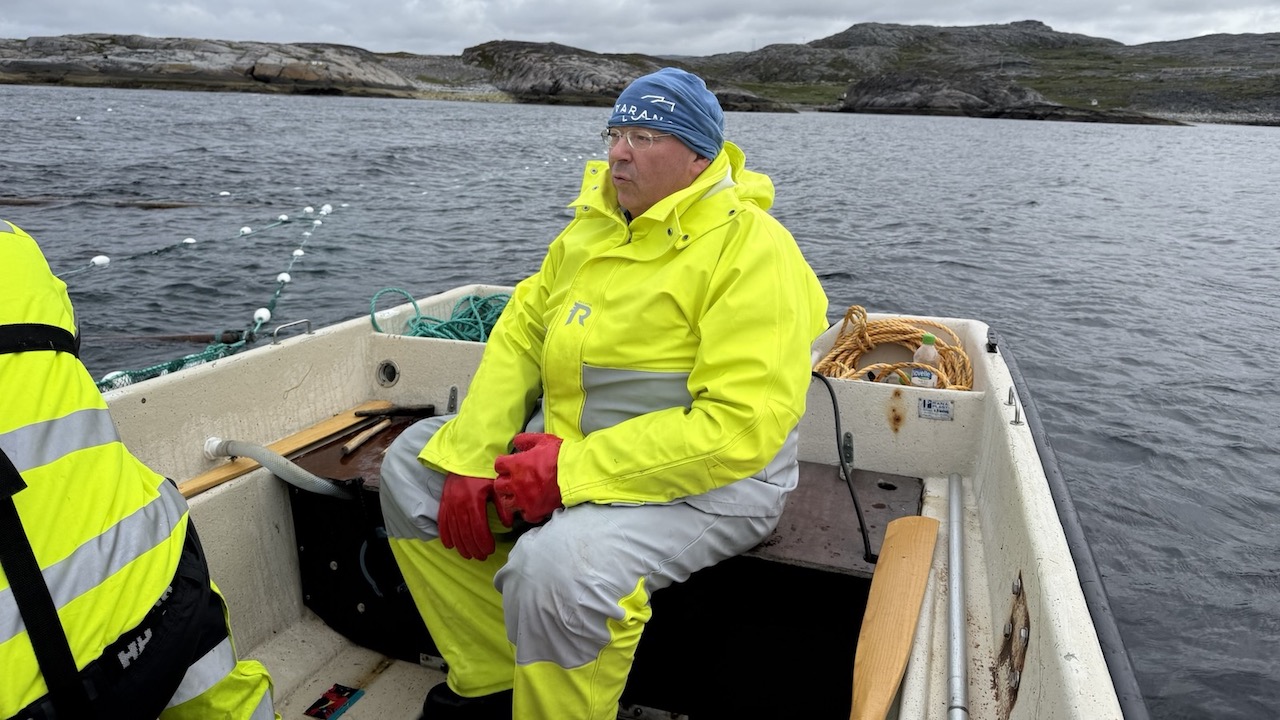
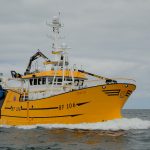
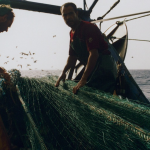
Led by local fishermen in Finnmark in collaboration with researchers from Møreforskning and Nofima, trials tested a variety of low-impact fishing methods such as modified pound nets, beach seines, and small-scale purse seines near the coast to develop a targeted fishery for pink salmon (Oncorhynchus gorbuscha) before the fish enter rivers—where they damage ecosystems and lose commercial value.
‘There’s is a mix of fear and excitement,’ said Bugøynes fisherman Erling Haugan, who has led one of the test fisheries in Varangerfjord.
‘But I’m optimistic. This could become a new livelihood for small-scale coastal fishers in Finnmark and Troms.’
The research initiative is funded by FHF (The Norwegian Seafood Research Fund), which has invested NoK20 million this year into efforts to explore whether pink salmon can be harvested sustainably in the marine environment.
The goal is to find harvesting methods that are both economically viable and environmentally safe – avoiding harm to endangered species such as Atlantic salmon, sea trout, and Arctic char.
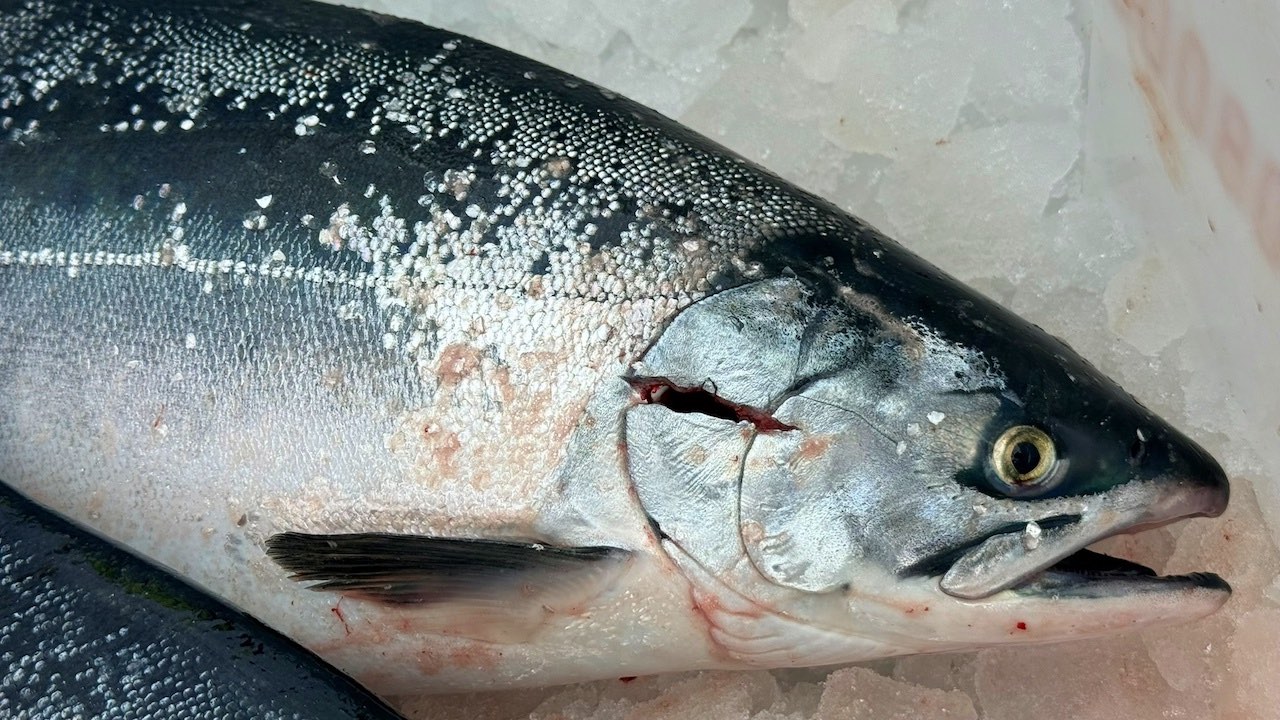
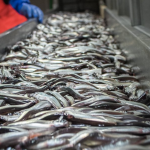
Preliminary results are encouraging. According to project manager Thomas Hagby Dahl of Møreforskning, fish caught in the sea show excellent quality, and bycatch rates are low.
‘The pink salmon stay calm in the nets and are not easily injured,’ he explains. ‘Processors have given us very positive feedback.’
Originally introduced through Russian stocking programmess on the Kola Peninsula, pink salmon have spread rapidly along the Norwegian coast. In 2025, they arrived earlier than usual, entering from the Norwegian Sea near Lofoten and Vesterålen, and migrating into rivers in Troms and Finnmark from the Barents Sea.
The numbers are staggering. In the Tana River alone, over 29,000 pink salmon were already caught by mid-July – more than double the total for 2024.
Projections suggest this could be a record-breaking year, with between 1.5 and 3 million pink salmon potentially entering Norwegian rivers. By comparison, only around 323,000 Atlantic salmon were estimated to return to spawn in 2024 – the lowest number ever recorded.
The rapid invasion of pink salmon presents a serious ecological threat.
‘Thousands of pink salmon dying and rotting in the rivers can lead to over-fertilization, promoting algae and vegetation that don’t belong there,’ Hilde Singsaas, Director of the Norwegian Environment Agency, has been quoted as saying.
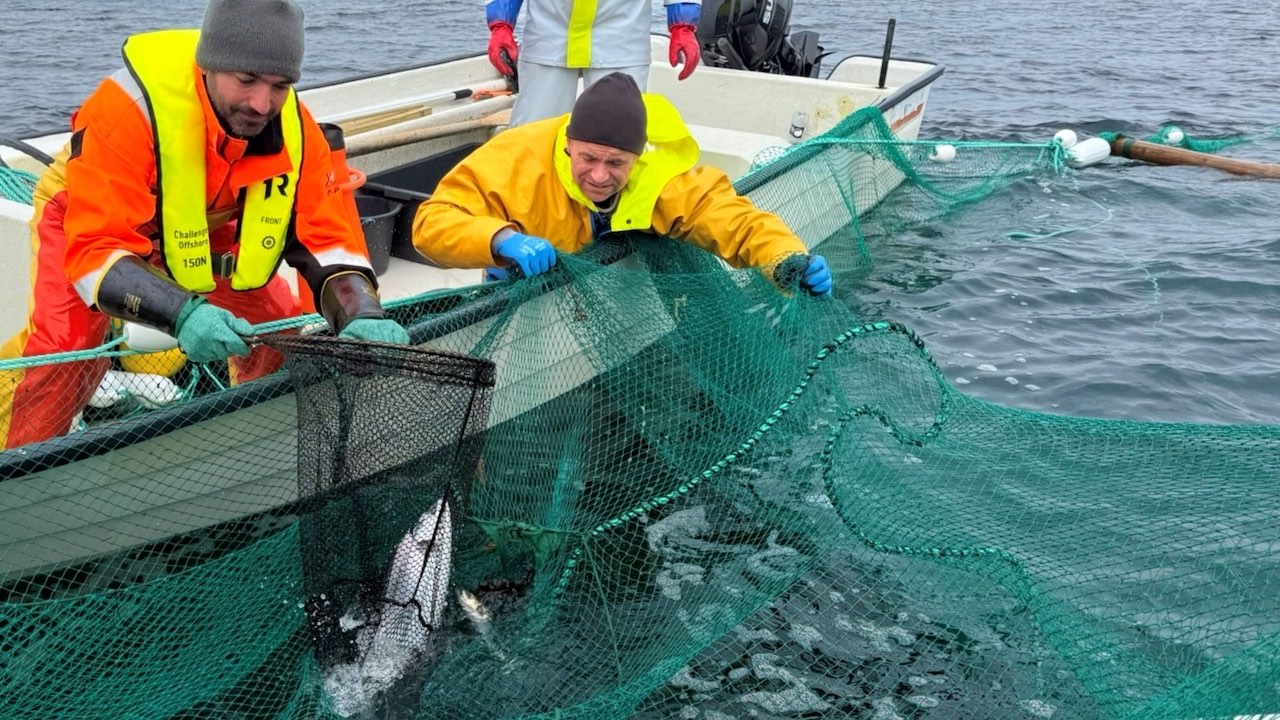
With a total ban now in place on net fishing for native salmonids, many fishermen have lost a key income source – but pink salmon may offer a path forward.
‘This species is not going away,’ said Rita Naustvik, Head of Fisheries at FHF.
‘With rising sea temperatures and changing fish distributions, it’s vital that we learn to make use of emerging resources such as pink salmon. A well-managed fishery could help sustain communities along the coast while reducing pressure on native ecosystems.’
While river traps remain the primary method for pink salmon removal, coastal fishing offers a more proactive approach, as this catches fish before they reach fresh water, after which they lose both quality and market value.
Erling Haugan believes the authorities must act on this research. ‘I’ve worked with scientists for 15 years. If we want knowledge-based management, we need to follow up with adaptive policy,’ he said.
Ongoing research in 2025 will continue to evaluate which fishing methods yield the highest catch with the least environmental impact, whether fish quality from marine catches is higher than from river traps, how a profitable value chain for pink salmon can be established, and what regulatory frameworks are needed for a future commercial fishery.
If successful, the project could lay the foundation for a new and much-needed coastal industry – one that provides both a solution to a problem and which turns an invasive species into a commercial product.