




Formerly known as the Sustainable Aquaculture Innovation Centre , SAIC begins a new chapter by relocating to the Highlands from its longstanding home in Stirling, taking on new funding from the Scottish Government, and broadening its scope as it becomes the Sustainable Aquaculture Innovation Cluster.
The innovation cluster has secured £1.4 million in annual funding from Crown Estate Scotland – administered by the Scottish Government’s Marine Directorate – for a minimum of five years, to continue its central role in driving innovation in aquaculture through collaborative research and development (R&D) projects.
As part of the changes, SAIC will relocate to the Life Sciences Innovation Centre at the Inverness Campus, within Highlands and Islands Enterprises’ section of the development. It’s also renamed as the Sustainable Aquaculture Innovation Cluster and becomes fully independent of its previous host institution, the University of Stirling.
‘Sustained investment in research and innovation is fundamental to the future of aquaculture in Scotland. This new phase for SAIC is very exciting and will play a vital role in advancing the knowledge, technologies, and practices required for a resilient and sustainable sector,’ said Pieter van West, professor at the University of Aberdeen and chair of SAIC’s Independent Science Panel.
‘By supporting high‑quality R&D projects and enabling wider participation between academia and industry, we can accelerate innovation that benefits not only academics and producers, but also our rural communities and the wider Scottish economy. I very much look forward to continuing my support for SAIC in this new chapter.’
The move places SAIC at the centre of Scottish aquaculture and allows it to directly fund companies for the first time, creating opportunities for greater SME engagement and strengthening its ability to support all parts of the sector, including shellfish, seaweed and other species. The wider scope will also be reflected in the creation of a new stakeholder committee to help inform its activities, comprising representatives from across the sector and its supply chain.
Innovation is widely seen as a critical way for helping Scotland’s aquaculture sector – which contributes £468 million in annual gross value added (GVA) to the economy – to grow sustainably. Independent research from Frontline earlier this year found investment in innovation in Scotland’s salmon sector alone has surged to £184 million since 2018. To date, SAIC has invested £10.8 million in collaborative R&D projects and brought in £70.6 million in additional funding.
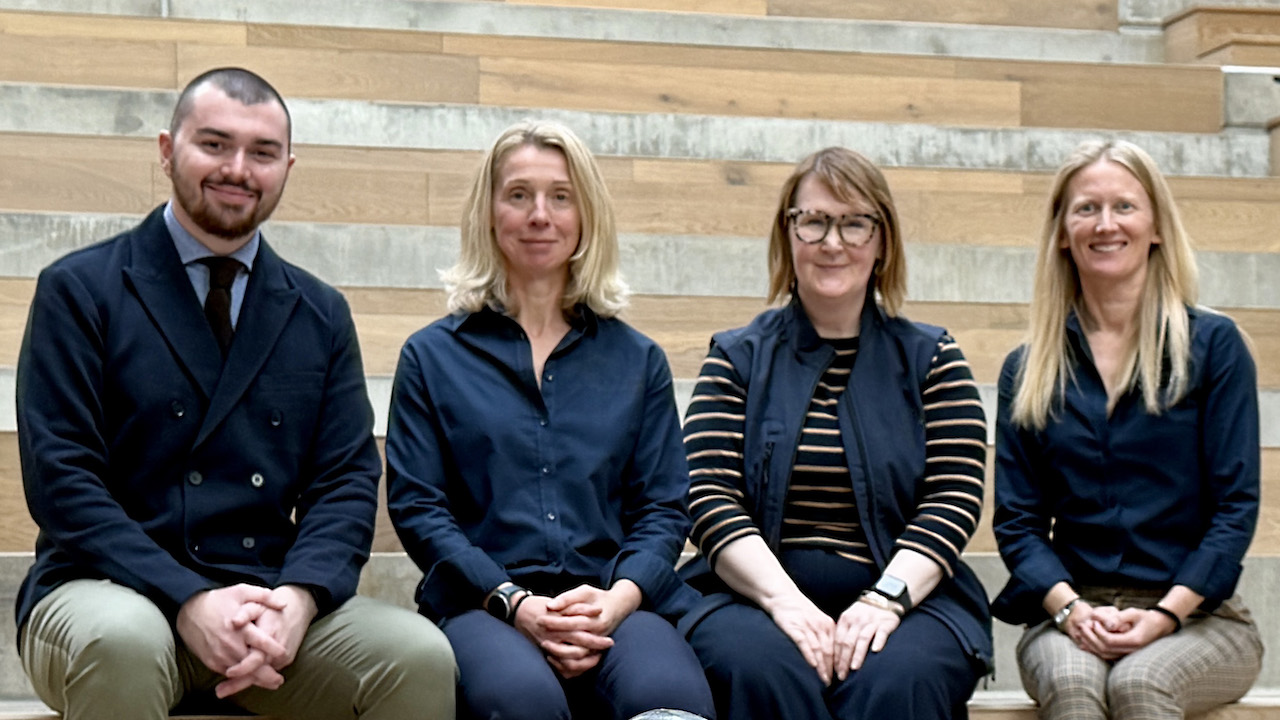
Over the last few years SAIC’s consortium has grown to more than 400 members, ranging from producers and universities to tech companies and retailers, as more organisations have embraced R&D projects. Sarah Riddle, who leads SAIC as its principal officer having originally joined the team during 2020, said the innovation cluster expects to issue its first funding call under the new arrangements very soon.
‘Today marks a new start for SAIC and our support for the aquaculture sector. While it’s a new chapter, we are still made up of the same committed and knowledgeable team, working towards the same mission and ambition: helping aquaculture to grow sustainably through applied, high-quality R&D projects.
What’s different now is that we can broaden our engagement to work with companies directly, supporting smaller operators which often do not have the need for complex academic projects that formed the majority of our previous work. That opens up new opportunities to deliver on our aims of enhancing fish health and wellbeing, improving climate resilience, and supporting production efficiency,’ Sarah Riddle said.
‘We are incredibly grateful to the University of Stirling for hosting SAIC over the course of 13 years. Our new home in Inverness will place us at the heart of what is happening in aquaculture in the Highlands and Islands, where the majority of the sector’s produce is farmed and much of the innovation in the supply chain is happening. With the foundations laid, we are excited to help Scotland’s aquaculture sector access the funding it needs to deliver innovation, sustainable growth, and a more prosperous future for our coastal and rural communities. Funding is the catalyst for taking the projects that will make that happen forward, and we plan to launch our first call in the very near future.’