


A broad-based fisheries agreement reached by the Danish Parliament includes a number of initiatives that will support development and innovation in Danish fisheries, and the Danish Pelagic Producers’ Organisation (DPPO) has welcomed the recognition of pelagic fisheries as being gentle in nature.
DPPO director Esben Sverdrup-Jensen commented that the Danish pelagic fleet fishes sustainably and has led the way in the green transition of European fisheries for the past twenty years, adding that with the agreement and the initiatives being launched, development can continue based in both environmental and economically sustainable terms.
‘We are very satisfied that a broad cross-section of the parties in the Danish Parliament have listened to our ambition for CO2 neutral fishing by 2040 and have understood that the prerequisite for this transition is framework conditions that allow fishing to develop on an equal footing with the rest of the Danish business community,’ he said.
‘100% green technologies do not exist today, but when they do, we are ready to take them on board from day one. This requires an economically robust sector and it requires that, from a political perspective, legislation from the past is resolved, which prevents modern development and green investments. That process has been initiated with today’s agreement.’
Under today’s agreement, all nature-friendly fisheries are covered by the state-managed Nature-Friendly label, and this applies to pelagic fishing. DPPO is pleased with the recognition and that the Danish Parliament has followed the Fisheries Commission’s very clear recommendation when it comes to Nature-Friendly.
‘Now Danish consumers can make an informed choice in the supermarket and at the fishmonger. Nature-friendly is the consumer’s guarantee that the fishing has been carried out responsibly, sustainably and with gear that has minimal impact on nature,’ said DPPO chairman Jens Schneider Rasmussen.
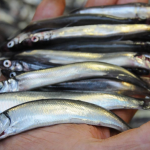
‘Herring is Denmark’s national fish and we are proud that it now has the state-controlled label. This is proof of the efforts the pelagic sector has made, including gear development and green solutions.’
The Fisheries Commission submitted 19 recommendations in December 2023 outlining a clear vision for the future of fisheries. Not all of the recommendations have been followed in today’s agreement and some aspects need to be followed up by further analyses.
‘I had honestly hoped that the Danish Parliament would have listened more to the independent experts in the Fisheries Commission. Their recommendations were based on thorough analyses and a clear vision for the future of fisheries,’ Jens Schneider Rasmussen said.
‘Now we will be repeating much of the commission’s work in committees and working groups. This costs Danish fisheries both time and competitiveness compared to our colleagues in the rest of the North Atlantic.’