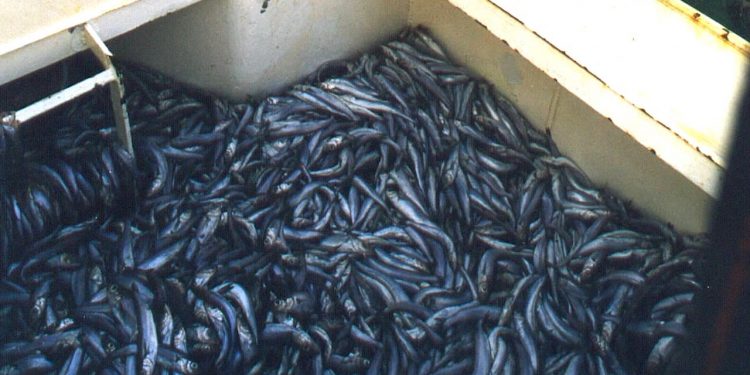





The North Atlantic Pelagic Advocacy Group (NAPA) is renewing its warnings that continued mismanagement of North East Atlantic blue whiting stocks and ongoing political inaction on sharing pelagic quotas pose a very real threat to Coastal States’ economies and the environment.
This warning is repeated just as the annual North Atlantic Seafood Forum (NASF) convenes, where discussions will include the many challenges facing the seafood sector in a rapidly changing landscape.
According to NAPA, the long-term mismanagement of key pelagic fish stocks is a key issue that demands to be addressed, as well as consequences for the industries they support, and the failure so far of political powers in the Coastal States to act. Blue whiting plays a crucial supporting role as a key feed ingredient for farmed salmon – one of the world’s most popular seafood choices.
NAPA claims that its huge importance is apparently unrecognised by those with the power to protect it – who, through their own inaction, continue to enable overfishing.
Blue whiting has already seen the suspension of its sustainability certifications, prompting NAPA to develop a Fishery Improvement Project (FIP) in 2021. Through this ground-breaking project, NAPA aims to see the fishery regain both Marine Stewardship Council (MSC) and MarinTrust certifications once more, using science, research and advocacy to break the political deadlock and drive co-operation.
However, this won’t be possible until all the Coastal States – the nations responsible for agreeing management of the blue whiting fishery – come to a long-term, sustainable sharing agreement for the stock. Without this, NAPA members will be forced to reconsider sourcing from this fishery – and soon, because the FIP runs out in 2026.
‘Blue whiting has immense value, sustaining the fishmeal sector for decades,’ said Dave Robb, sustainability lead at Cargill and NAPA Blue Whiting subgroup Chair.
‘This locally sourced resource is vital to Atlantic salmon aquaculture, and our customers will not accept using blue whiting without certification. Time is running out, and there are very limited alternatives to replace blue whiting as a sustainable ingredient in salmon feed.’
‘Certified products are the only way to evidence sustainable and responsible procurement to consumers. If fisheries cannot be certified sustainable as a result of political complacency, then many important actors will need to reconsider what they source and from where. This will have a direct economic impact, not only on fishers but also on salmon farmers around the Coastal States,’ commented NAPA independent chair Aoife Martin.
‘NAPA has seen a growth in membership across the last year from businesses in the salmon industry – for whom certified MSC and MarinTrust status across their feed supply is non-negotiable. It’s a clear signal of how unsettled the marketplace is at the failure to reach agreement.’
NAPA is also keen to dispel any complacency due to recent stock advice for blue whiting, which may appear to show the fishery in robust health despite continued overfishing.
‘Coastal states are simply not listening to the scientific guidance they claim to endorse,’ Aoife Martin said.
‘They are allowing the current healthy status of the blue whiting stock to distract them from the need for action. Far from being evidence that the fishery is not under pressure, the historical data – and everything we know about sustainable fishing practices as a set of advanced fishing nations – tells us that no stock can withstand overfishing indefinitely. This stock is relied upon by nationally significant and culturally essential industries. It’s never been more urgent for Coastal States to come together to secure a future for North Atlantic blue whiting – a future that makes good business sense for everyone.’