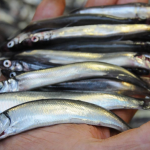
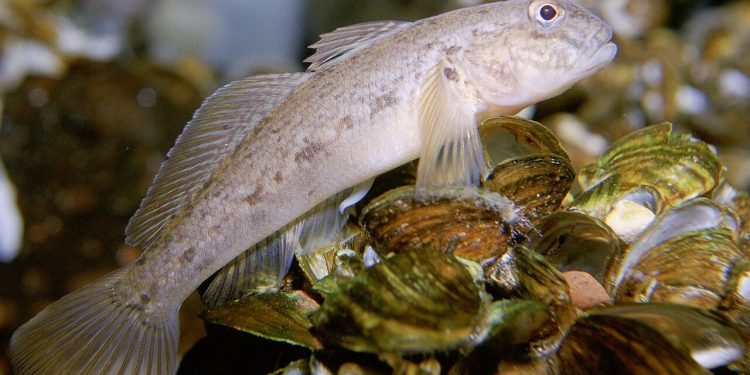





Originating from the Black Sea, the round goby is a highly invasive species that has found its way to the Baltic, carried by maritime and inland shipping. Its broad diet, ability to adapt to diverse environmental condition and rapid reproduction makes it a serious threat to the delicate ecosystem system.
Unlike cod, which is subject to strict catch limits, there are no restrictions on fishing for round goby. While it is a consumption species in the Black Sea, round goby remains largely unknown as such in the Baltic region – but to connect two problems, the EU RoundGoby Project aims to develop a framework for round goby fishing and consumption around the Baltic.
Co-funded by Interreg Baltic Sea Region and with €2.97 million from the European Regional Development Fund (ERDF), project RoundGoby kicked off in November 2023.
An initial study provides insights into round goby’s habitat, diet, and its consumption on markets such as Bulgaria. It also examines how regions including the Great Lakes and the Baltic tackle the round goby problem as an invasive species. The study also pinpoints challenges, including fishing gears, processing that would need to be adapted to handle this species and lingering negative perceptions of round goby as a food source.
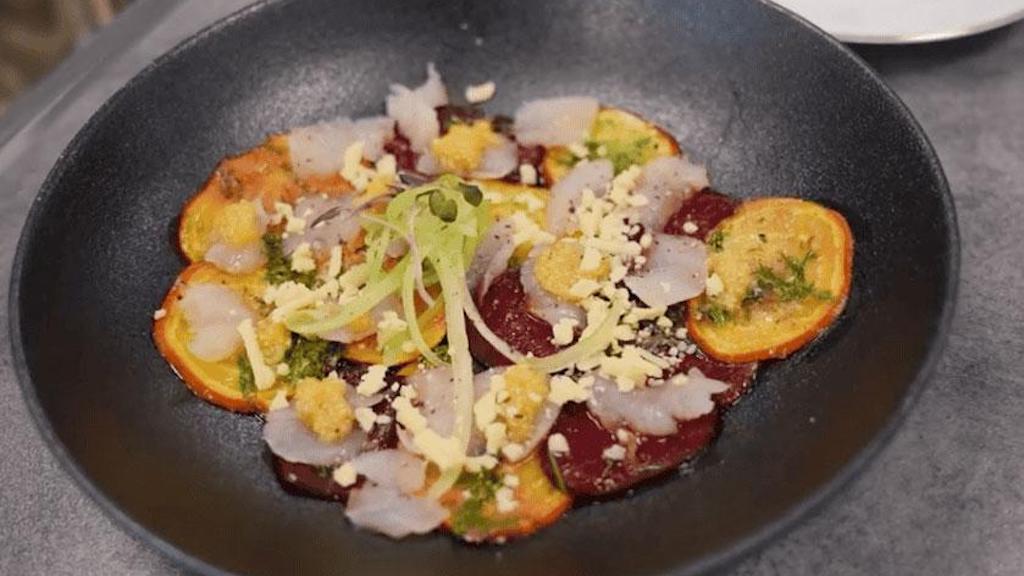
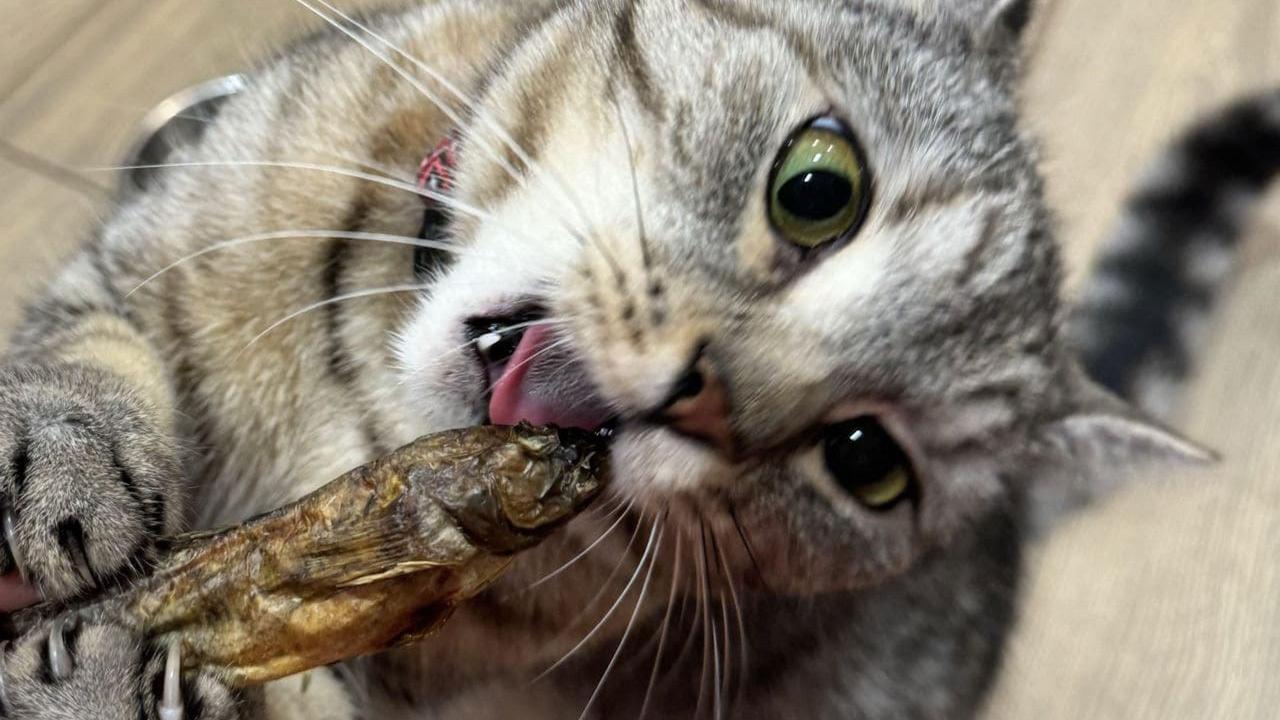
The project launched several pilots, from testing efficient fishing to food production. Project partners developed canned and minced round goby products, experimented with pet snacks, and introduced food products for human consumption, also tested in public kitchens. This even extended to a round goby cooking challenge as the project actively seeks to address the barriers to commercialisation of this fish around the Baltic, paving the way for a more sustainable and innovative approach to managing this invasive species.
There are wins all round, as fishing activity reduces the round goby population, helping protect the Baltic ecosystem and preserve species diversity, while promoting this as a consumption species contributes to food security and ensures a continuous supply of wild-caught seafood while supporting employment and regional economies.
It opens opportunities for culinary innovation, introducing round goby as a new ingredient in Baltic cuisine. The RoundGoby project aims to work closely with public authorities and enterprises to ensure effective fishing and consumption of round goby.