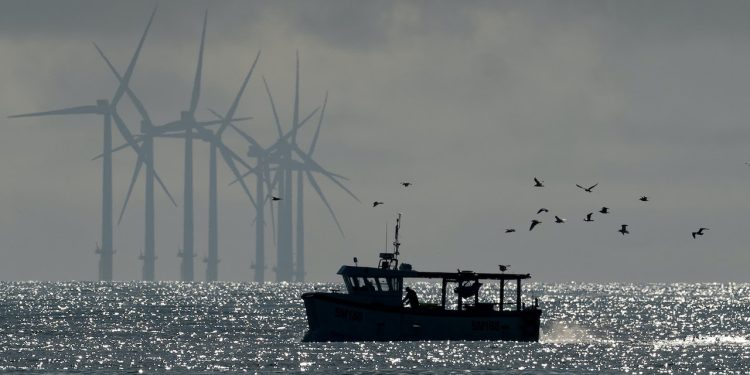





Europêche has welcomed the Implementation Dialogue on the Maritime Spatial Planning (MSP) Directive, chaired by Commissioner Costas Kadis. This crucial dialogue forms part of the European Commission’s commitment to engage stakeholders and align maritime policies with on-the-ground realities ahead of the MSP implementation report due in March 2026.
Europeche has warned about the loss of traditional fishing grounds to an array of competing spatial pressures, of which offshore wind and marine protected areas top the list.
‘Europeche welcomes this initiative as European seas stand at a critical crossroads,’ said Europêche managing director Daniel Voces.
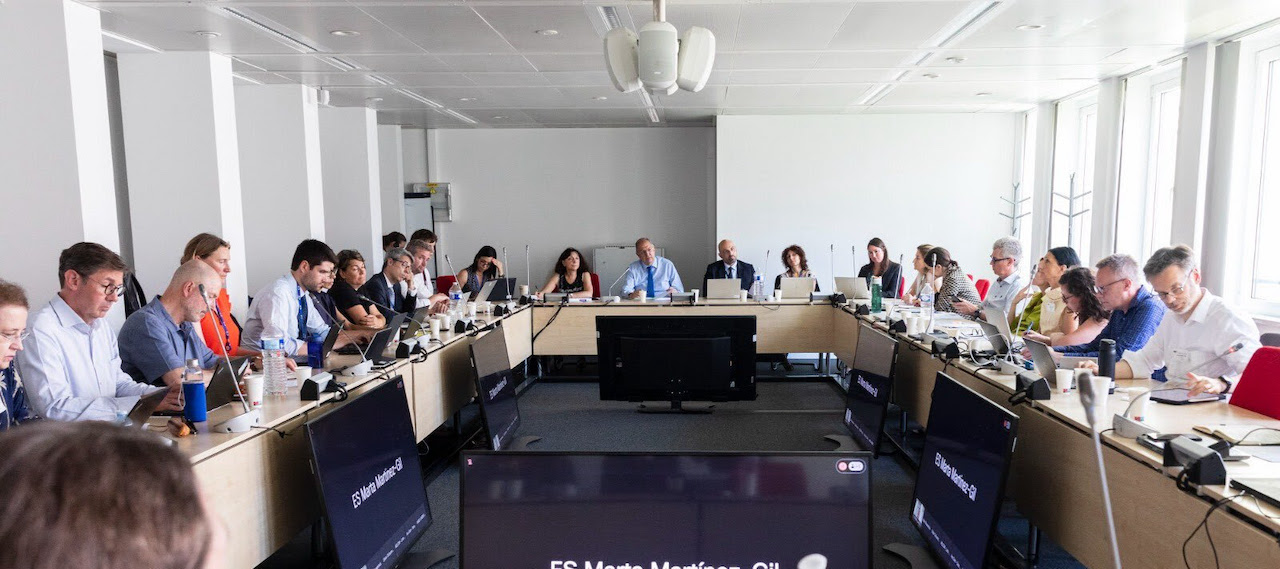
‘While the demand for marine space from energy, minerals, transport, tourism, and conservation grows rapidly, fishing is the only shrinking blue economy sector. Despite the enormous value in producing low carbon, healthy and sustainable food, fishing is increasingly pushed aside by spatial planning that lacks effective safeguards,’ he said, and highlighted the alarming outlook for fisheries.
‘In the UK, projections estimate that nearly 50% of the UK’s EEZ could be fishing-free by 2050. All the indications are that similar trends can happen across European sea basins.’
While Europêche recogniseds the need for effective marine protected areas and net-zero targets, the projected scale of future spatial demands is unprecedented – and poses serious risks to the viability of the fishing sector. This spatial squeeze increases operational costs, raises safety concerns, drives up fuel use and emissions.
‘Ironically, this reverses the progress our fleet has made – already reducing emissions by 52% since 1990,’ Daniel Voces said, stating that unlike farmers, fishers do not hold property rights over their productive areas, leaving them vulnerable to continuous displacement and loss of access.
Exclusion from traditional fishing grounds is very real and results in severe displacement of fishing effort, causing over-concentration in smaller areas. Such overcrowding leads to gear conflicts, difficulties in catch composition and increased pressure on local fish populations. Small-scale fleets with limited operational ranges face even greater impacts, with limited or none alternatives available.
‘Saying ‘fish somewhere else’ simply denies the problem,’ Daniel Voces stressed.
‘Fishing is not an obstacle to the EU’s strategic goals – it is an ally. We must replace today’s trajectory of exclusion with a new model of positive coexistence.’