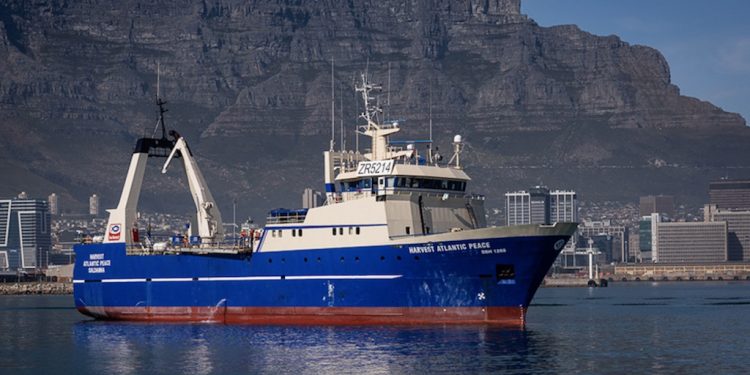





Against the backdrop of a shifting international market, South African hake is well positioned to meet rising demand, particularly from the European Union and North America.
Global groundfish supply is projected to remain stable in 2025 and in the years to come, holding steady at approximately 6.8 million tonnes per year, in line with the 20-year average, according to the International Groundfish Forum. But in contrast to its favourable outlook on supply, the market is anything but steady, with the ongoing Russia–Ukraine conflict and dramatic cuts in Atlantic cod quotas creating volatility in both supply and demand.
The ongoing war in Ukraine has had a significant ripple effect on global groundfish supply, with Russia accounting for a substantial 36% of global groundfish production. This includes 56% of the world’s pollock catch and 30% of Atlantic cod production.
In response to Russia’s invasion of Ukraine, the United States imposed a ban on all Russian seafood imports in March 2022, which was later extended to include seafood processed in third countries such as China. Simultaneously, the European Union imposed a 13.7% tariff on Russian seafood imports, while the United Kingdom enforced an even higher tariff of 35%. These sanctions reduced the flow of Russian-origin groundfish to traditional Western markets, especially the EU.
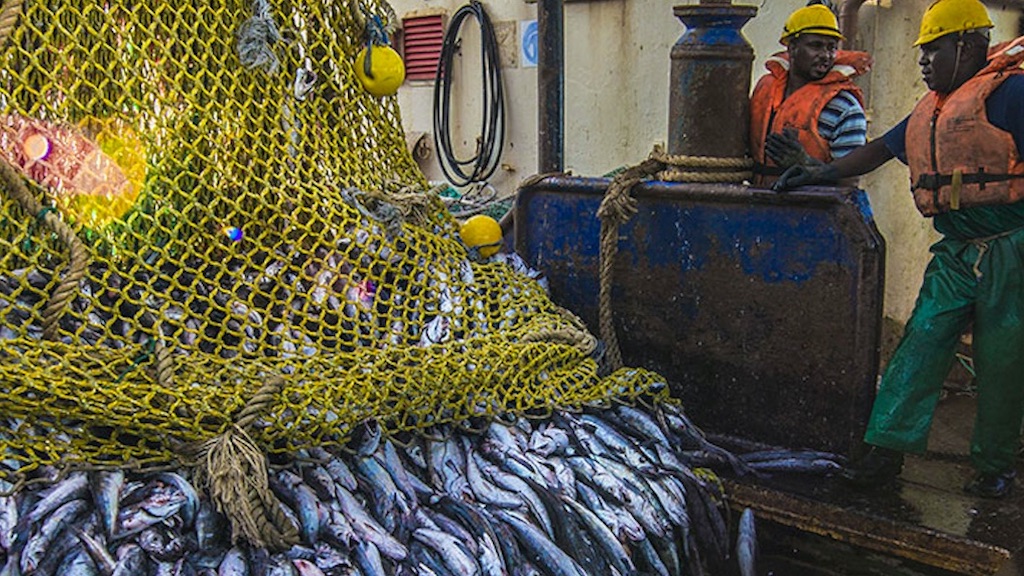
In response, Russia has promoted a domestic seafood market and is ramping up exports to Asia, particularly China and other nations in the BRICS bloc, reports Felix Ratheb, chief executive of Sea Harvest and the current chairman of the Groundfish Forum.
‘There’s a very big push by the Russians to consume their catch of pollock internally,’ he said.
‘This is quite a big change in the market. It creates new opportunities for Russian producers, but it also reduces the supply of groundfish to traditional markets in the EU and the United States.’
He added that the most significant impact on the global market for groundfish has been a sharp decline in Atlantic cod production. Quotas have been cut dramatically. For example, quotas for Northeast Atlantic cod have been cut by more than 30% in response to lower-than-expected recruitment. The 2025 catch forecast of 650 000 tons represents a 40% reduction from the 2022 high of 1.1 million tonnes.
Cod is considered a premium groundfish species and Atlantic cod accounts for roughly 17% of global groundfish supply.
‘The steep decline in Atlantic cod supply, coupled with no expected quota increases until at least 2028, has already started to drive prices up,’ Felix Ratheb said.
SA hake’s rising role in global markets for groundfish
In contrast to Atlantic cod, catches of Cape hake – fished by South Africa and Namibia – have been consistent and continue to be consistent over time. At the start of the fishing year, South Africa announced a 4.3% increase in the hake total allowable catch (TAC) for 2025, while Namibia made the opposite decision, reducing its hake TAC by 9%. This results in a 3% combined reduction in the total TAC for Cape hake.
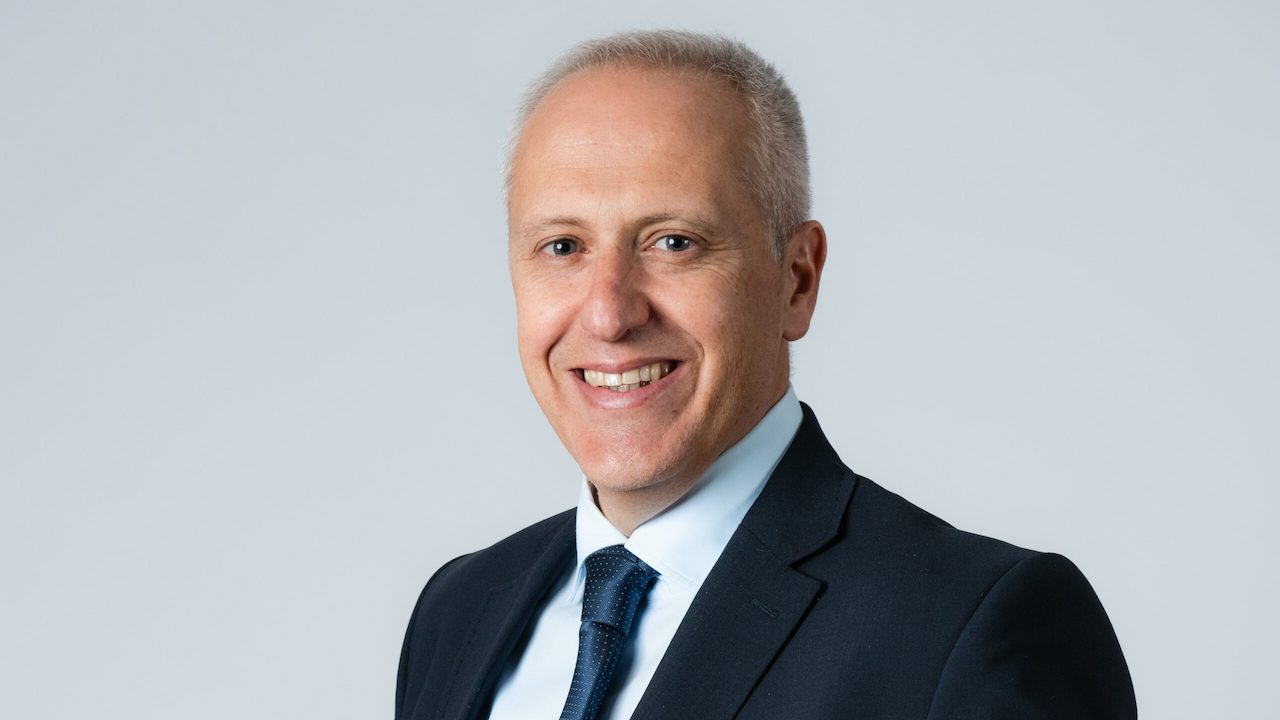
According to Felix Ratheb, the market for Cape hake is strong, and it stands to benefit from the gaps left in Western markets by the reduction in catches of Atlantic cod and the diversion of Russian catches to Asian markets. Demand in the EU is expected to remain firm and North America presents an attractive opportunity, provided recent disputes between South Africa and the United States don’t further undermine trade relations and that South Africa’s continued participation in the African Growth and Opportunity Act – which grants duty-free access to United States markets for qualifying African countries – is assured. Agoa will be reviewed in September this year.
Shifts in the market for aquaculture species pangasius, tilapia and salmon, all of which compete for a slice of the western market for groundfish, also bode well for Cape hake. In recent years almost the entire production of pangasius has been consumed in China, meaning that the farmed species no longer squeezes prices for groundfish in the West. Similarly, growth in the production of farmed salmon and tilapia has slowed, with positive effects on prices for other groundfish species.
‘From a demand and supply perspective, Cape hake is in a very good space,’ Felix Ratheb said.
In South Africa the scientific view of the hake resource is positive, with hake surveys returning good biomass estimates, but the fishing industry has experienced a three-year period of low catch rates. The downturn is believed to be cyclical – a similar phenomenon occurred between 2005 and 2007 – but the industry is keenly aware of the potential for global climate change to impact catches both now and in the future.
‘The impacts of climate change are very visible,’ said seafood executive, Jonty Jankovich-Besan, speaking as the Chair of the Harvest CEO Council, an industry body closely affiliated to the Groundfish Forum.
Citing the 2023 disruption of the anchovy fishing season in Peru and shifts in other fisheries as evidence of climate change impacts, he points to the consistency of the Cape hake fishery as a significant advantage.