




The commercial fishing industry in Western Australia is demanding answers following the government announcement of the West Coast region to become an exclusive recreational fishing zone for snapper and dhufish, closed permanently to commercial fishing for demersal fish from 1st January 2026, and with a compulsory buyback of commercial fishing licences.
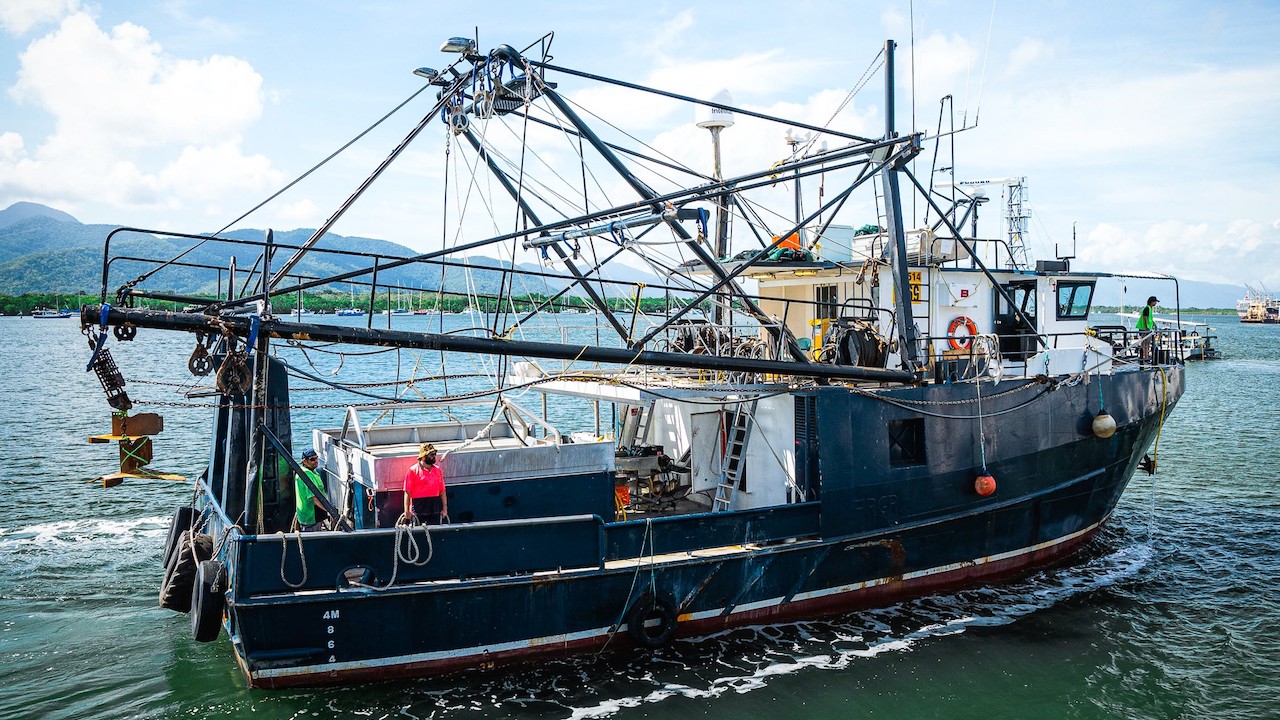
The WA Fishing Industry Council (WAFIC) has slammed the State Government’s shock decision to close the West Coast Bioregion to commercial demersal fishing and slash catches in other regions by up to 50%.
‘Our fishers have followed the rules set by government and are now being punished for doing so,’ said WAFIC CEO Melissa Haslam.
WAFIC is seeking information on the government’s plans to manage the fallout, stating that Fisheries Minister Jackie Jarvis’ announcement of sweeping closures and drastic cuts to WA’s iconic demersal scalefish stocks will devastate the industry.
Melissa Haslam called the move ‘a massive and irreversible shell shock’ with consequences that will ripple across WA communities.
She commented that these measures will rip through the supply chain, strip fresh local seafood from WA tables, drive prices sky-high and threaten the State’s food security.
‘The closures will wipe out WA’s most popular seafoods from supermarkets and restaurants, including the fish that underpin WA’s fish and chips. Wild-caught seafood, already the most sustainable and lowest-carbon protein source, will be replaced by imports or higher-emission alternatives at a time when households are struggling,’ she said.

WAFIC is calling for urgent clarity on compensation and restructuring support, stating that maths behind the $20 million compulsory buyback package doesn’t stack up.
‘With 50 commercial demersal licences and another 20 shark licences in this zone, $20 million is nowhere near enough. And there’s no mention of compensation for the Pilbara, which faces cuts of up to 80%,’ Melissa Haslam said.
‘The impact goes far beyond boats and fishers. Thousands of jobs and businesses are now at risk, including processors, retailers and restaurants. This isn’t just about fish. It’s about livelihoods, food security and WA’s reputation. When tourists find empty menus instead of world-class local seafood, this will be more than disappointing,’ she said.
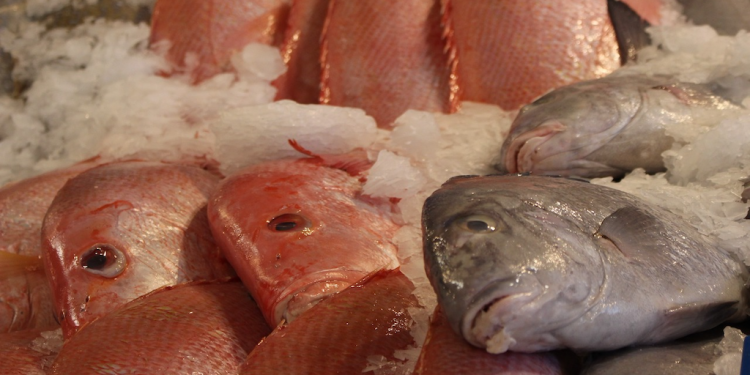
‘The cuts will slash supply of WA’s most popular species such as goldband snapper and red emperor which will force prices up and push more imports into the State. The Minister must explain how WA households will access affordable, high-quality protein when local seafood disappears.’