




The North Atlantic Pelagic Advocacy Group (NAPA) has launched a short film as a new call-to-action as part of its increasingly urgent mission to reduce the overfishing of mackerel in the North East Atlantic. In a departure from the kind of meeting you might usually expect from a supply chain coalition, this film features six schoolchildren with an important lesson to share.
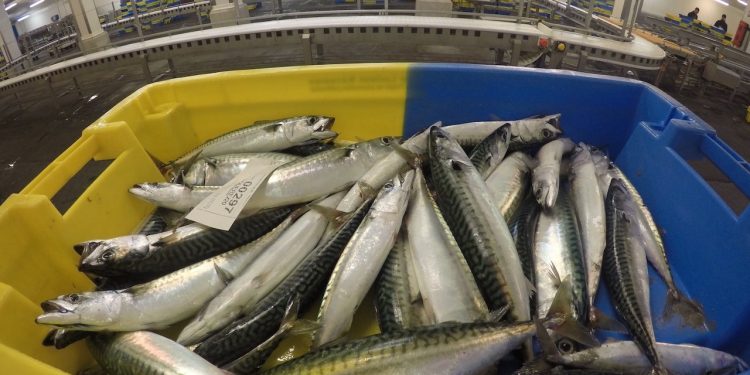
Between the nations fishing for mackerel – most of which is caught by Norway, the EU, the UK, Iceland, the Faroe Islands, and Greenland – the total annual catch has on average exceeded scientific recommendations by 40% over the last 15 years. Meanwhile, the stock has declined since 2015.
NAPA states that at the heart of the issue lies a political impasse and a grave absence of sharing and compromise. To find out how difficult this really is to overcome, NAPA challenged schoolchildren to manage their own ‘catches’ in a mock mackerel fishery, while ensuring there was enough to share without causing further declines. The eye-opening result was discussion, consensus, and even acceptance of losses for some of these proxy fishing nations.
There’s a serious point at the heart of this campaign film: even schoolchildren can see that there’s no way to keep taking more than the total available, and collaboration is the only way forward.
‘Perhaps Coastal States need to go back to school,’ NAPA suggests, urging Coastal States to come together and ‘do the Mackerel Maths’ – namely, to finally agree on a comprehensive sharing agreement that ensures total catches stay within recommended limits, securing a healthy future for the stock.
The film, shot at a school in London, will be showcased at the Seafood Expo Global in Barcelona.
‘This film points to a serious, collective failure of governments. We need the Coastal States to rethink their attitudes to agreement and collectively bring catches down in line with the scientific advice. Mackerel is the perfect example of a failure of leadership from our Coastal States’ governments – short-term thinking and disagreements blinding negotiators to a chance to secure generational sustainability for the stock,’ said Chris Shearlock, ambient sustainability director at Thai Union and NAPA’s mackerel subgroup chair.
NAPA’s market collective has spearheaded pioneering policy FIPs, designed to support and cultivate opportunities for meaningful collaboration and science-based sharing agreements between Coastal States. Through these FIPs, NAPA members have independently made an range of sourcing commitments, many of which indicate they will stop sourcing from North East Atlantic pelagics – mackerel, blue whiting and Atlanto-Scandian herring – unless full sharing agreements are reached by the FIP deadline.
With this looming in just 12 months’ time, NAPA has made it clear that action is imperative.
‘There’s no time to lose,’ commented NAPA project lead Rob Blyth Skyrme.
‘Coastal States only have until April 2026 to come together to end the overfishing of mackerel. In 15 years, they have failed to do so, and the need for progress is now urgent. Long-term comprehensive sharing agreements are essential – but there are also short-term actions that everyone can take to protect the stock, such as limiting fishing in international waters. We are looking to all nations to be part of the solution and deliver meaningful improvements: there is no excuse for inaction.’