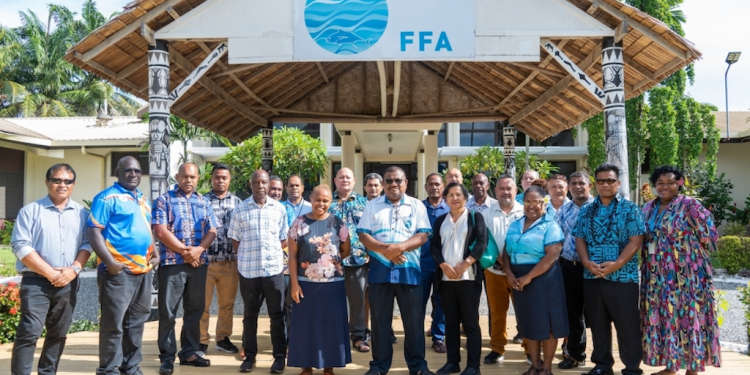



The Pacific Islands Forum Fisheries Agency (FFA) had concluded its 7th Maritime College Seminar in Honiara, bringing together maritime educators and regional stakeholders to strengthen cooperation in maritime safety and security across the Pacific.
The three-day seminar was convened under the theme Maritime Safety and Security in the Pacific Islands Region. The event brought together 16 participants representing maritime colleges, training institutions and regional organisations to discuss shared challenges and practical ways to strengthen maritime education and safety standards in the region.
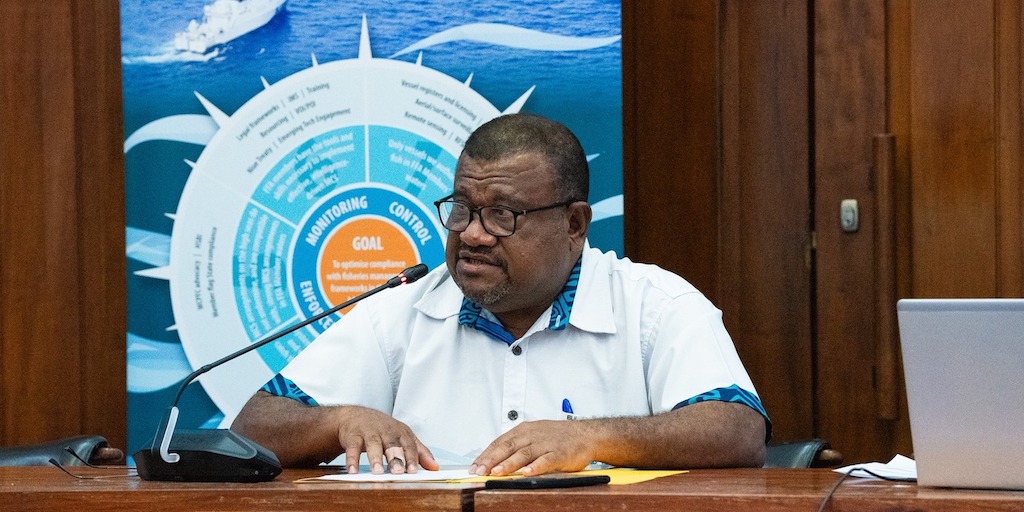
In his opening remarks, FFA Director-General Noan David Pakop said regional collaboration remains critical as Pacific Island countries continue to navigate the realities of vast ocean spaces, remote maritime zones, limited capacity and growing environmental and security risks.
‘Our ocean is not just a resource – it is our identity, our livelihood and our shared heritage,’ he said.
‘Maritime safety and security are fundamental to protecting our seafarers, ensuring safe operations at sea, and supporting the effective management of our fisheries resources.’
Noan David Pakop also highlighted the important role maritime training institutions play in preparing the next generation of maritime professionals, including seafarer, fisheries observers, compliance officers and other specialists who support the region’s maritime and fisheries sectors.
‘The standards upheld by maritime colleges directly influence safety, professionalism and accountability across maritime operations in our region. Strong training systems are critical not only for safety at sea, but also for maintaining the integrity and sustainability of our fisheries,’ he commented.
Throughout the seminar, participants discussed a wide range of issues affecting maritime education and operations in the Pacific. A key outcome of the seminar was the establishment of the Pacific Colleges of Maritime Fisheries Association (PaCMFA). The new association is expected to strengthen coordination among maritime training institutions, promote consistent training standards and industry standards, and support knowledge sharing and innovation across the Pacific maritime education sector.
It will also provide a platform for maritime colleges and training institutions to work more closely together in developing programmes that respond to the region’s evolving maritime safety, fisheries management and security needs.