





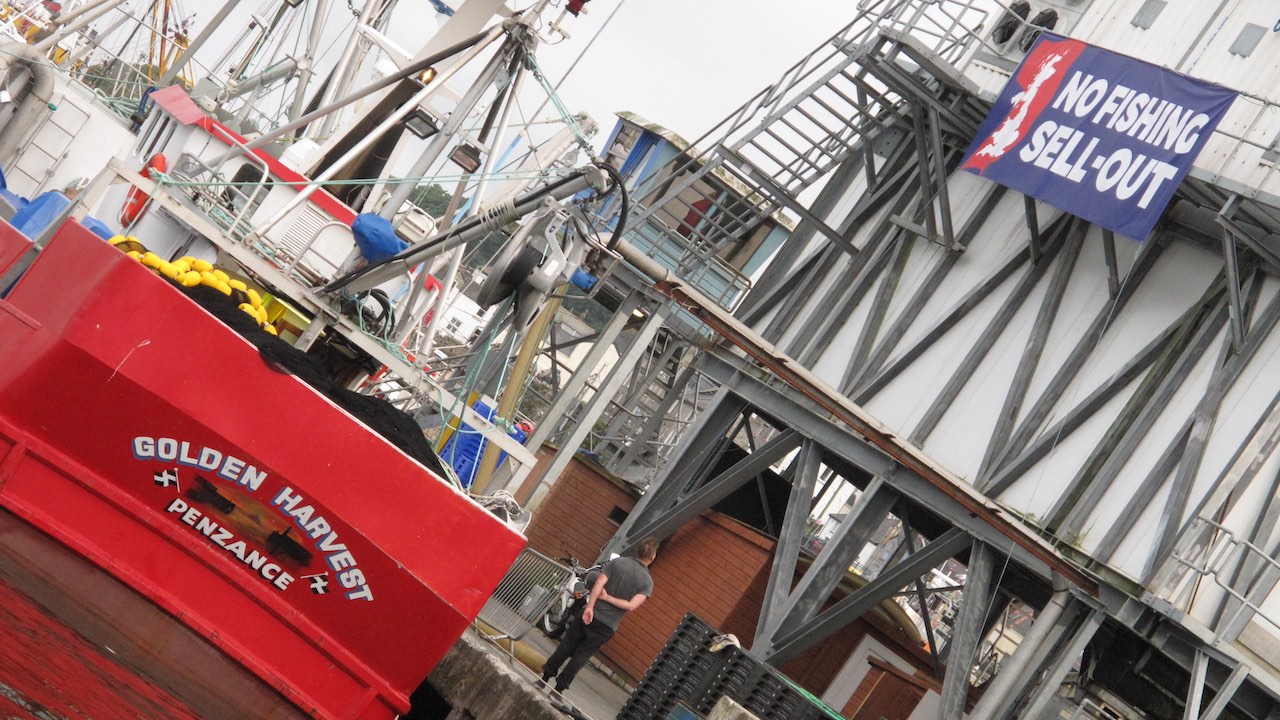
It depends who you listen to… Some UK industry sectors have welcomed the deal between the European Union and the UK, others have been quick to dismiss this far-reaching agreement – of which fishing rights are just a part – as yet another industry sell-out.
Even before the full details of the agreement have been made available, some UK industry figures have been critical, not least of the decision to agree to a long-term agreement, while opposition politicians and the parts of the British media have wasted no time in whipping themselves into a frenzy.
Exporters have welcomed the opportunity to simplify the process of shipping products to the European market.
‘The agreement reached today protects Britain’s fishing access, fishing rights and fishing areas with no increase in the amount of fish EU vessels can catch in British waters,’ said Secretary of State for Environment, Food and Rural Affairs Steve Reed in a statement that announced that the twelve-year fisheries access agreement with the EU secures long-term certainty for British fishing fleets.
The minister stated that the deal protects Britain’s fishing access, fishing rights and fishing areas, with no change to current access for coastal communities and no reduction in British quota or increase in the quota the EU is allowed to catch.
The upside is that a new SPS Agreement designed to minimise formalities for UK seafood exporters and businesses, and to effectively reopen the EU market to shellfish from certain UK domestic waters has been agreed.
‘This will make it easier to sell British fish to our largest trading partner – in turn driving growth and removing barriers to trade that have been holding businesses back,’ the minister stated.
‘This deal is a horror show for Scottish fishermen, far worse than Boris Johnson’s botched Brexit agreement,’ responded Elspeth Macdonald, chief executive of the Scottish Fishermen’s Federation.
European fishing industry body Europêche has welcomed the agreement, with its director commenting that ‘this is a forward-looking agreement that ensures long-term sustainability and mutual benefit.’
‘The extension of fishing access until 2038 provides vital stability for our fleet and coastal communities, while the reduction in trade barriers supports both EU market access and food affordability in the UK. This is a clear example of what pragmatic and constructive cooperation can achieve,’ Daniel Voces said.
Alongside this, the UK government has also announced a £360 million investment as it launches its Fishing and Coastal Growth Fund.
This purports to invest in new technology and equipment to modernise Britain’s fishing fleet, deliver new training and skills to back the next generation of fishers and promote the seafood sector to export our high-quality produce across the world.
The government pledge is that under plans to be unveiled later this week, coastal communities will receive a cash boost for new community facilities, better transport links and investment in apprenticeships. This includes proposals to require offshore wind farms to invest into coastal communities.