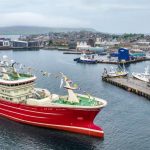





The Scottish fleet’s Atlanto-Scandian herring season is in progress, with this year’s quota up a marginal 3%, although the UK has just 2% of the TAC – making this a short fishery with ten Scottish and Shetland pelagic vessels participating in the fishery in Norwegian waters.
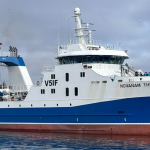
Fraserburgh pelagic trawler Resolute has quota for just one trip, landed to the Pelagia processing plant in Ålesund.
‘We’ve worked Atlanto-Scandian herring virtually every year since I can remember and the pattern of fishing has changed over that period,’ said Resolute’s co-skipper Ally West, who is also vice-chairman of the Scottish Pelagic Fishermen’s Association.
‘When we first started, boats fished from north Norway all the way south down to Alesund. We would wait until the main fishing activity was off Ålesund and then head there to fish. The herring don’t seem to come that far south any more and we now fish further north off the Lofoten Islands. I don’t know whether this is down to environmental change, stock size or for some other reason, but pelagic fish do have a habit of changing their movement patterns over time and it is entirely possible they will move back south again in the future.’
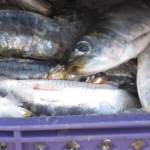
Atlanto-Scandian herring are larger than the North Sea variety, and last year Resolute caught good-sized fish weighing around 360 grams, which were probably around eight years old. The indications this year are that there are many more smaller fish about.
‘This is a positive sign as it means there is good recruitment coming into the Atlanto Scandian herring stock, which bodes well for the future,’ Ally West said.
Atlanto-Scandian herring can be challenging to catch when in deeper water because of the way the fish disperse, so Resolute targets the fish off the Lofoten Islands when they are over shallow banks.
‘The Norwegians tend to fish for Atlanto-Scandian herring within their 12-mile zone and we have encountered some huge shoals in these areas in recent years,’ he said.
‘It’s unfortunate that the UK ended up with a smaller allocation of Atlanto-Scandian herring than it properly deserved during Brexit negotiations with the EU, and that should be changed in future years, but it is nonetheless still an important fishery for some boats in the Scottish pelagic fleet that fills a gap following the completion of the January mackerel fishery.’