


The inclusion of Iceland in the agreement on mackerel management reached with Norway, the UK and the Faroe Islands marks the first time that Iceland has been party to any international agreement on this stock, having up to now been excluded.
The agreement hands Iceland 12.5% of the quota decided by the four nations, which drops to 10.5% after paying a premium for access to Faroese and Norwegian waters. Iceland gets to take up to 60% of its mackerel in the Norwegian EEZ, with two-thirds of those catches required to be offered for sale via Norges Sildesalgslag, and 30% in Faroese waters with no requirement on how these catches are sold.
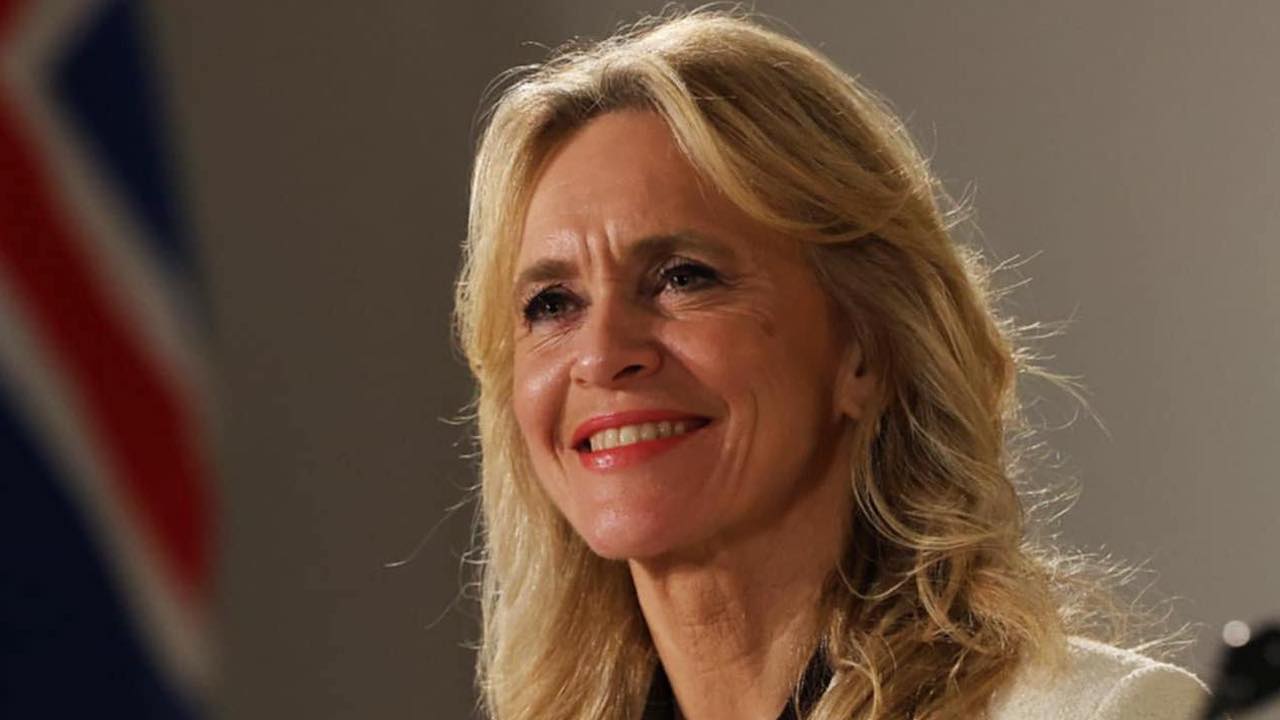
‘Iceland has a strong interest in achieving an agreement on management of mackerel, so the stock can rebuild following long-term overexploitation, and this agreement is an important step in that direction,’ said Minister of Foreign Affairs Thorgerður Katrín Gunnarsdóttir.
‘Iceland is taking responsibility, with its neighbours, for responsible fishing.’
But not everyone’s happy with the news of an at least partial international agreement on mackerel management and a seat at the table. Vessel operators’ federation SFS has been quick to slam the Icelandic government’s part in the agreement, stating that the Minister’s decision damages Iceland’s interests, sacrificing its long struggle for a fair share as a coastal state for little gain.
SFS states that Iceland’s actual share amounts to 10.5% – a hefty reduction on the 16.5% share that it allowed itself in previous years.
‘None of the other three coastal states have accepted such a substantial reduction in their share,’ SFS states.
‘It is a particular disappointment that the Icelandic government has accepted a smaller share than the Faroe Islands.’